Scientifically Formulated
Developed by veterinary nutritionists
Human Grade All-Natural Ingredients
Meets highest quality standards
Expertly Crafted in the USA
Manufactured in a FDA Registered Facility


Hyperkeratosis in dogs is extra keratin on paw pads or the nose. Learn signs, causes, and gentle paw care, then support skin with daily nutrition.

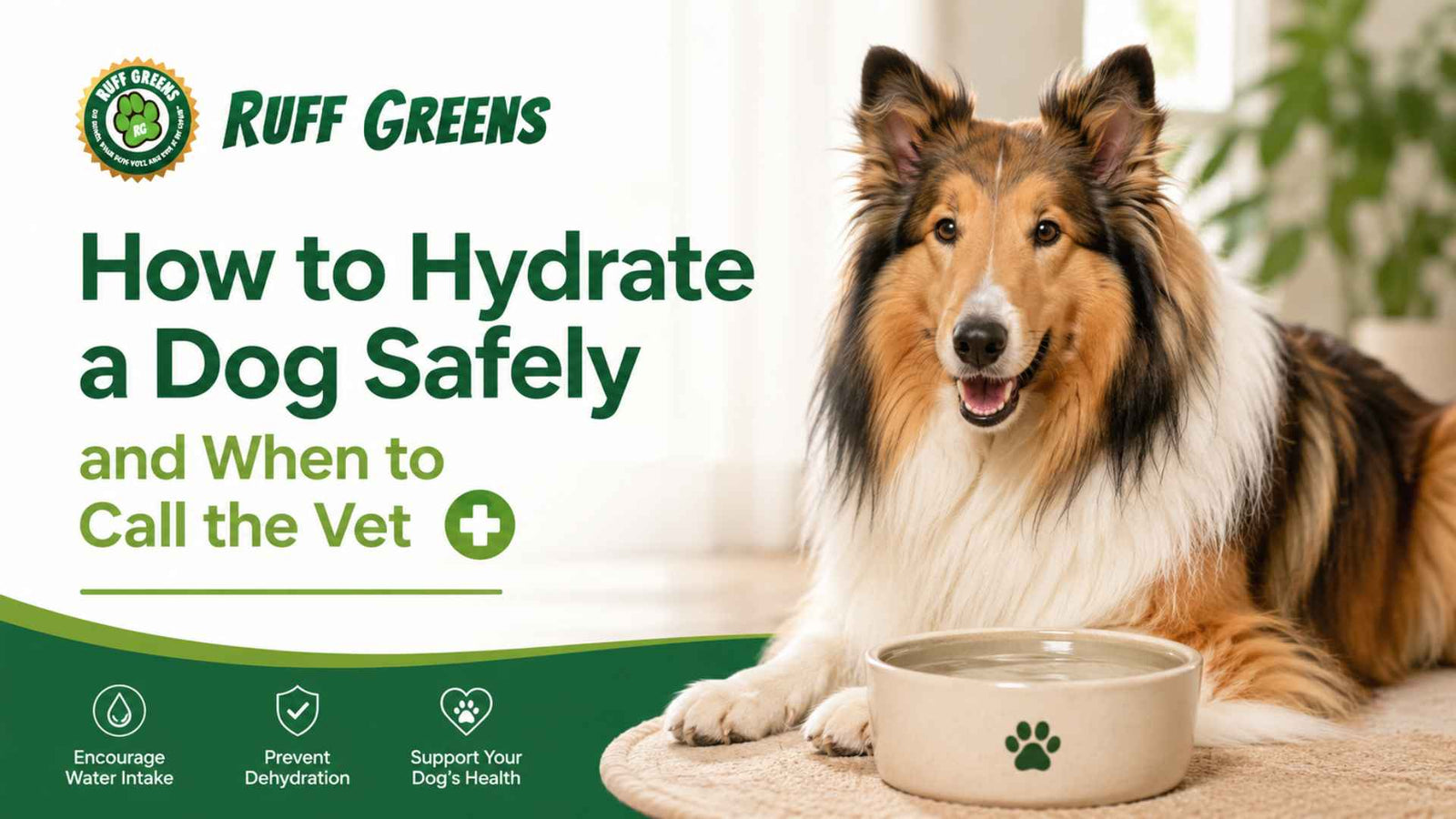
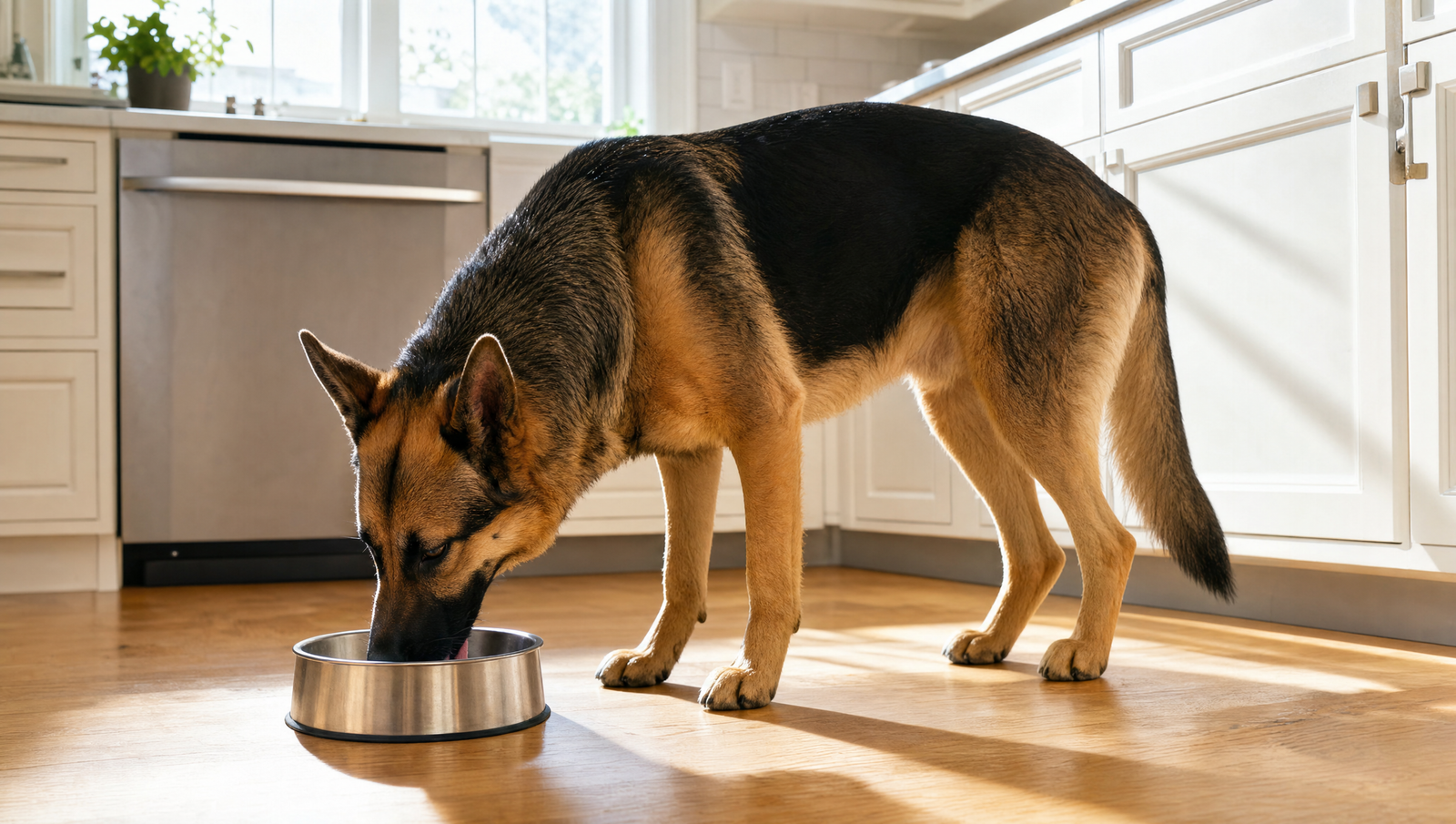
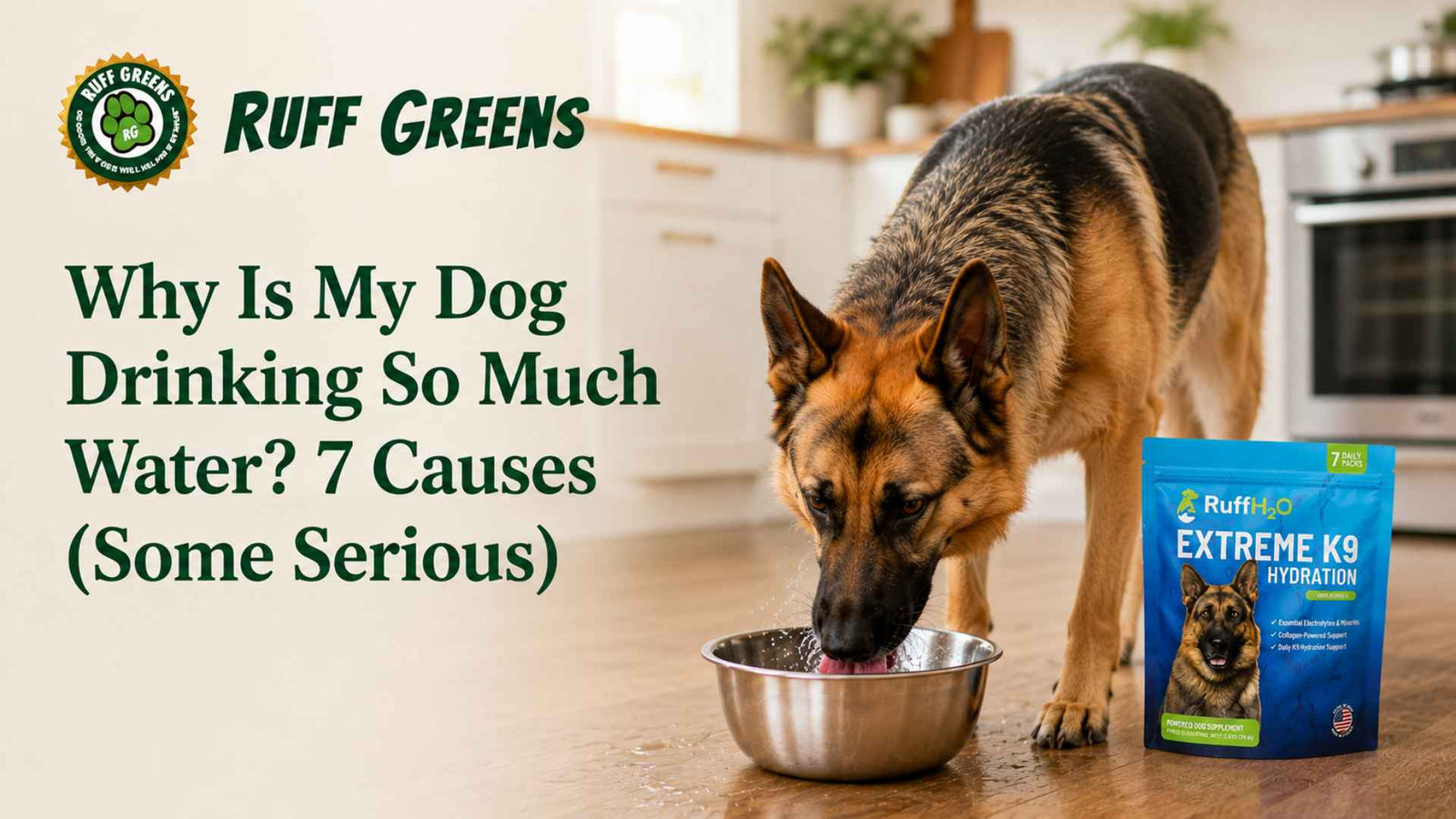
What can dogs drink besides water? See 9 safe extras and 5 to avoid. Keep fresh water first, then try a dog-formulated hydration mix like Ruff H2O.

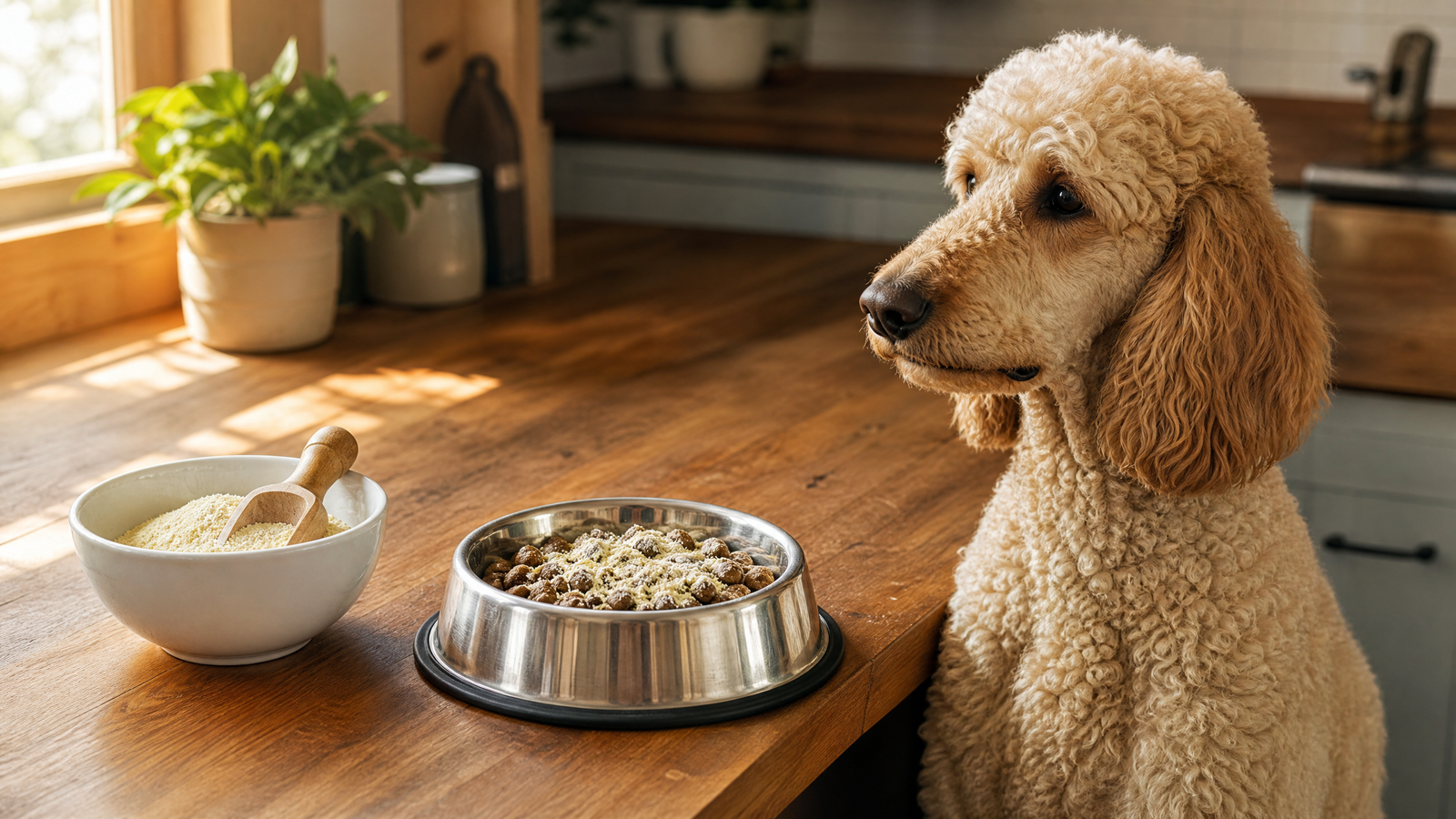
Dog food toppers: compare types, benefits, and how to choose. Add flavor and nutrients to a complete meal, then try a measured daily greens scoop.

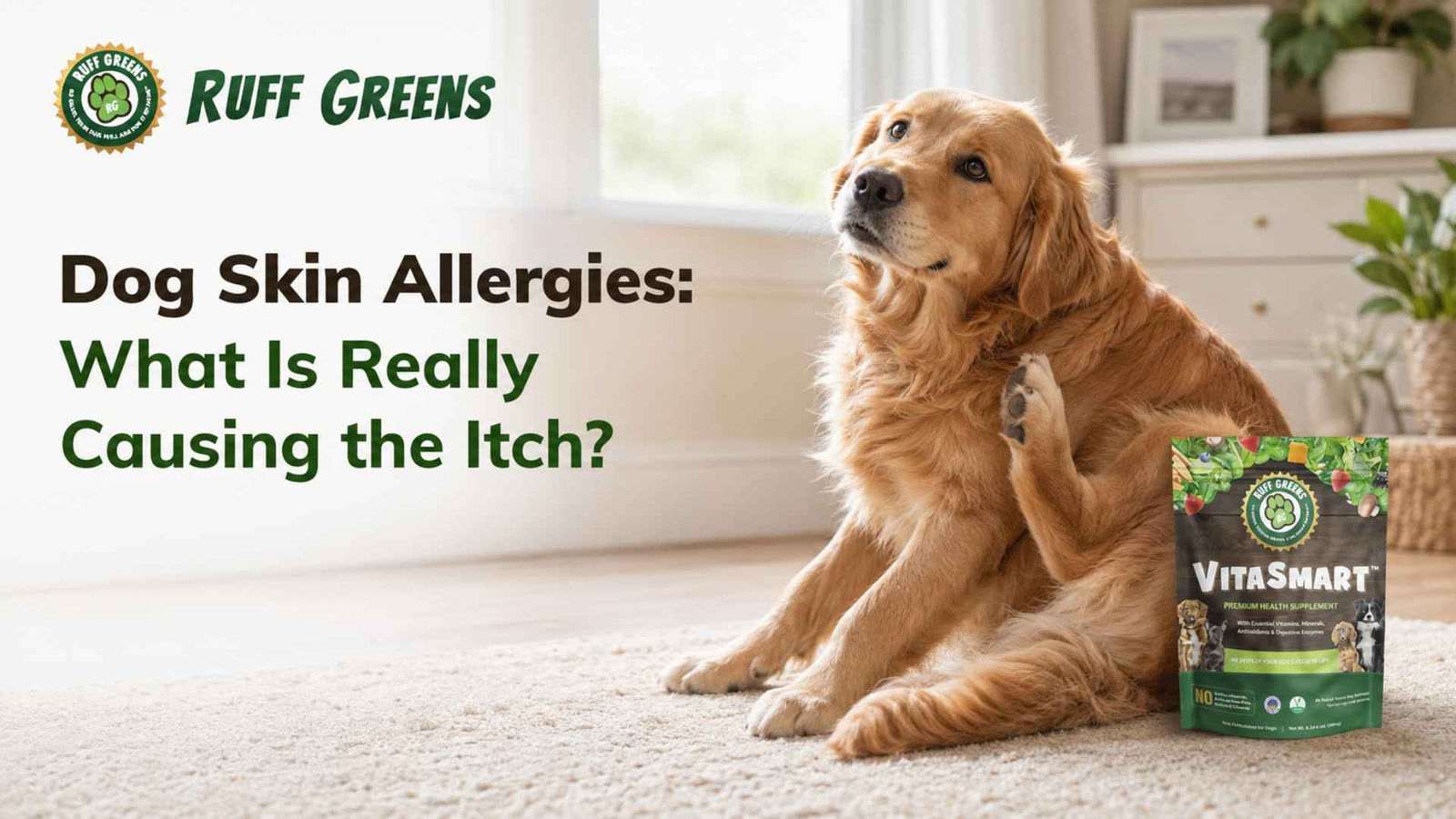
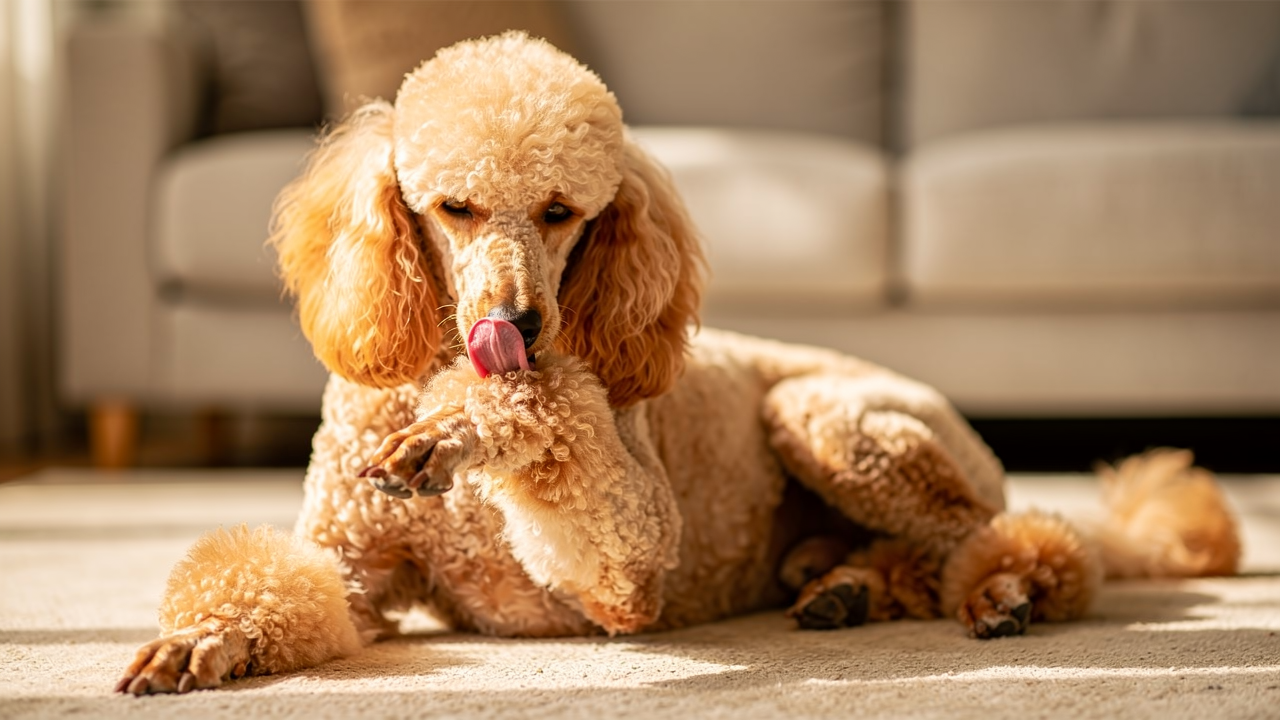
Dog licking paws raw is a sign of itch or pain. See causes, home care, and when broken skin needs a vet, then support skin from the inside.

Melatonin is widely considered safe for most healthy dogs when dosed correctly. It is not addictive and works within 1 to 2 hours of administration.

Bloat in dogs can become gastric dilatation-volvulus (GDV), an emergency that needs immediate veterinary care. Learn common signs and risk-reduction steps to discuss with your veterinarian.

Fiber for dogs can support stool quality, intestinal movement, fullness, and beneficial gut microbes. The right source and amount depend on the dog, the complete diet, and the reason for adding it. Introduce changes gradually, keep fresh water available, and ask your veterinarian about persistent...
Have a Promo Code?
Enter your code below to receive 50% OFF your 90 Day Challenge. Plus Free Shipping!
Use code: Challenge