
Wondering what can dogs drink besides water? Keep fresh water first. Safe extras include ice cubes, unsalted onion-free bone broth, dog electrolyte drinks, and dog-formulated hydration mixes. Skip alcohol, caffeine, xylitol, and sugary soda. Call a vet for not drinking, vomiting, lethargy, or sudden thirst.
Key Takeaways
Key Takeaways
-
Why water is still the main drink for dogs
Dogs need fresh, clean water all day. Other drinks are extras for picky drinkers, heat, travel, or recovery, not a replacement for the bowl.
-
Safe drinks for dogs share one rule
Unsalted, onion-free broth, ice cubes, dog electrolyte drinks, and dog hydration mixes can help. Human kitchen leftovers often hide salt, onion, garlic, or sweeteners.
-
Why human sports drinks are a poor choice for dogs
Unflavored Pedialyte diluted 50/50 may be used if a vet agrees. Gatorade and other sugary sports drinks are a poor fit. Flavored human drinks can hide xylitol.
-
Five drinks dogs should always avoid
Alcohol, caffeine, xylitol, cow's milk for many dogs, and sugary soda or juice can cause harm. Onion or garlic broth and grape drinks belong on the same no list.
-
When a dog that will not drink needs a veterinarian
Above all, call your veterinarian if your dog will not drink, vomits, is lethargic, or is suddenly thirsty. Extra drinks support hydration. They do not treat disease.
Why extra drinks never replace a dog's water bowl
Dogs can have a few extra drinks besides water, but fresh water still comes first. The American Kennel Club notes that dogs need about one ounce of water per pound of body weight each day. Heat, play, and dry food can raise that number.
However, other liquids are extras. They help a picky drinker, a hot day, or a car trip. They do not replace clean water or a vet visit when something is wrong.
Therefore, start with ingredients when you add anything besides water. Unsalted bone broth with no onion or garlic is a common extra. Ice cubes, diluted unsalted broth, dog electrolyte drinks, and dog-formulated hydration mixes can also fit. Cow's milk upsets many dogs. Alcohol, caffeine, xylitol, grape drinks, and sugary soda do not belong in the bowl.
Most importantly, watch the dog, not just the recipe. A healthy dog that sips broth after a hike is not the same as a dog that will not drink, vomits, or lies around. The second dog needs a veterinarian.

9 Safe Drinks Dogs Can Have Besides Water
Nine drinks can sit beside a water bowl when the ingredients are dog-safe. Offer small amounts. Keep plain water out too. Call your vet if vomiting, diarrhea, or tiredness shows up.
| Drink | When it can help | How to offer it |
|---|---|---|
| Fresh water | Every day | Clean bowl, refilled often |
| Ice cubes | Heat, travel, fast drinkers | A few cubes, not a meal |
| Unsalted bone broth | Picky drinkers, low appetite | Cool, no onion or garlic |
| Diluted unsalted broth | Flavor without a heavy serving | Mix with extra water |
| Dog electrolyte drinks | Activity, heat, travel | Follow the dog label |
| Dog hydration formulas | Daily support for picky drinkers | Mix as directed; keep plain water too |
| Unflavored Pedialyte (vet OK) | Mild, short-term extra | Dilute 50/50; never flavored |
| Plain goat milk or kefir | Occasional treat if tolerated | Tiny serving; watch the stool |
| Rice water | After a mild GI upset, if the vet agrees | Cool, unsalted, small sips |
What can dogs drink besides water at a glance
1. Fresh, clean water (still number one)
Water is the drink dogs need most. It cushions organs, helps digestion, and helps the body cool itself. AKC guidance is simple: leave clean water out at all times, including on walks and trips.
Refill often. Wash the bowl. Stale water is a common reason a dog walks away. If your dog suddenly drinks far more than usual, read our guide to why a dog may drink so much water. Do not cut water unless a veterinarian tells you to.
2. Ice cubes
For instance, ice cubes are still water. They can slow a dog that gulps after play. AKC veterinarians also use them to tease small sips when a dog has a mild stomach upset. That is not a reason to skip the vet if vomiting continues.
Skip giant cubes for tiny dogs or dogs with dental work. A few cubes in the bowl is enough. Ice is extra water, not a toy to chew for hours.

3. Unsalted bone broth with no onion or garlic
Bone broth is a safe occasional drink when you control the pot. The AKC even lists bone broth as a way to flavor water for picky drinkers. The catch is the recipe.
Store broth and soup stock often contain onion, garlic, and a lot of salt. The ASPCA warns that onion and garlic can damage red blood cells. Extra salt can worsen thirst and, in large amounts, salt toxicity.
Use a homemade or dog-labeled broth with no onion, garlic, chives, or added salt. Serve it cool. Offer a small splash, not a full dinner.
4. Diluted unsalted chicken or beef broth
Diluted unsalted broth is a lighter version of the same idea. Mix a little cooled, onion-free broth with extra water. The flavor can pull a reluctant drinker to the bowl without a heavy, fatty serving.
For example, this is useful after a walk or on a warm day. It is not a treatment for vomiting. If the dog cannot keep fluids down, stop offering extras and call the clinic.

5. Dog electrolyte drinks
When asking what can dogs drink besides water, dog electrolyte drinks are made for canine fluid balance, not for human athletes. Sodium, potassium, and chloride help move water in the body. A product labeled for dogs is a better starting point than guessing with a sports bottle.
In addition, use these on active, hot, or travel days, or for a healthy dog that needs encouragement. They do not replace IV fluids. They do not treat kidney disease, heart disease, or heatstroke. For the "when" behind extra electrolytes, see when dogs need hydration support.
6. Dog hydration formulas such as Ruff H2O
A dog-formulated hydration mix can sit in the daily bowl when you want more than flavor. Ruff H2O, K9 Hydration is mixed into fresh water. It is made for dogs, not as a disease treatment. Always keep a second bowl of plain water available. Replace mixed water every 24 hours.
This option fits picky drinkers, warm weather, after play, and travel days. If your dog has a medical condition, ask your veterinarian first. For label and format tips, see how to choose a dog hydration product.
7. Unflavored Pedialyte, only if a veterinarian agrees
Unflavored Pedialyte is a human electrolyte drink. Dogs can have small amounts of the unflavored liquid diluted 50/50 with water if a veterinarian says it is appropriate. That matches our longer guide on whether dogs can have Pedialyte.
However, it is not a dog formula. It can be a poor fit for dogs with vomiting they cannot control, heart disease, kidney disease, or diabetes. Never use flavored Pedialyte. Some flavored human drinks use sweeteners that can include xylitol, which is toxic to dogs.
Gatorade and similar sports drinks are not recommended. They are built for people, with more sugar and sodium than a dog needs.
8. Small amounts of plain goat milk or kefir, if tolerated
Some dogs handle a teaspoon or two of plain goat milk or plain kefir. Many do not. The ASPCA notes that pets often lack enough lactase to break down lactose, so cow's milk commonly causes diarrhea.
Still, goat milk is not automatically safe. It is still dairy. Plain, unsweetened kefir is a similar "maybe." Start tiny. Watch stool for 24 hours. Skip dairy for dogs with pancreatitis, known food reactions, or a sensitive gut. This is a treat, not a hydration plan.
9. Rice water
Similarly, rice water is the starchy liquid left after you boil white rice in extra water. Cooled and unsalted, it can be a gentle sip for a dog that needs fluids after a mild stomach upset, if your veterinarian agrees.
Therefore, it is not a daily drink. It is not a substitute for exams or fluids at a clinic. If diarrhea lasts, the dog is lethargic, or nothing stays down, skip home drinks and get help.
5 Drinks Dogs Should Not Have
As a result, five common kitchen drinks cause more problems than they solve. If the label is for people, read every ingredient before the bowl comes out.
1. Alcohol
Additionally, alcohol is never safe for dogs. The ASPCA lists alcoholic drinks as a cause of vomiting, incoordination, breathing trouble, coma, and death. Even a small amount can hit a small dog hard. Spilled beer, leftover cocktails, and rising bread dough all count.
If your dog drinks alcohol, call a veterinarian or a poison hotline right away. Do not wait for "a nap" to fix it.
2. Caffeine
Consequently, coffee, tea, energy drinks, and many sodas contain caffeine. The ASPCA groups caffeine with chocolate because both contain methylxanthines. Those compounds can cause panting, a racing heart, tremors, seizures, and death.
"Decaf" is not a free pass. Some caffeine remains, and flavor syrups can add sugar or xylitol. Keep mugs, pods, and energy drinks off the floor.
3. Anything with xylitol
For example, xylitol is a sugar substitute that can drop a dog's blood sugar fast and, in some cases, damage the liver. VCA Animal Hospitals warns that signs can start within minutes. Vomiting, weakness, staggering, collapse, and seizures are emergencies.
Xylitol hides in sugar-free gum, some nut butters, baked goods, toothpaste, and some "diet" drinks. If a human drink is sugar-free, do not guess. If you think your dog swallowed xylitol, go to a vet now.
4. Cow's milk, for many dogs
Moreover, cow's milk is not toxic in the way alcohol is. It still fails many dogs. Lactose can cause gas, loose stool, and belly pain. A splash in leftover cereal is a common accident. It is a poor everyday drink.
If you want a dairy extra, the safer path is still "maybe a tiny amount of plain goat milk or kefir, if the dog already handles it." Water and broth remain better hydration tools.
5. Sugary soda, juice, grape drinks, and onion-garlic broth
Soda and sweet juice add sugar with no benefit. They can upset the gut and add empty calories. Grape juice is worse: grapes and raisins can injure a dog's kidneys, according to the ASPCA.
Likewise, human sports drinks sit in this group too. They are not a daily dog drink. Onion or garlic broth, restaurant stock, and "flavor packets" can damage red blood cells. If you cannot confirm the recipe, do not pour it.
When extra drinks are not enough for your dog's hydration
Call your veterinarian if your dog will not drink, vomits, is lethargic, or is suddenly very thirsty. Those signs can point to illness, heat, or fluid loss that a home drink cannot fix.
AKC lists dry, sticky gums, thick saliva, sunken eyes, a dry nose, and skin that stays tented after a pinch as dehydration clues. Our guide to dog dehydration symptoms and recovery walks through those checks in more detail.
Do not force large amounts of any liquid into a dog that is vomiting. Do not use human sports drinks as a stalling tactic. Puppies, seniors, and dogs with kidney, heart, or endocrine disease have less room for error.

Supporting your dog's hydration and daily nutrition
A good drink plan is simple. Fresh water all day. A dog-safe extra when flavor or electrolytes would help. That is the practical answer to what can dogs drink besides water. Call a vet when intake or energy changes.
If you want a dog-formulated option in the bowl, Ruff H2O, K9 Hydration can support everyday hydration. Mix it as directed and keep plain water available. A RuffH2O travel water bottle can make that routine easier on walks. Neither product treats disease.
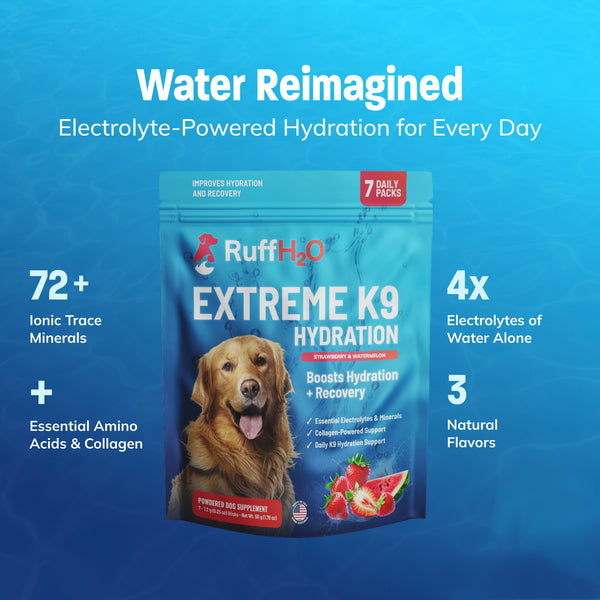
Ruff H2O, K9 Hydration
7 Daily Packs of Powdered Hydration Supplement for Dogs Every dog deserves more than plain water. Ruff H2O™ supports deeper hydration by replenishing essential electrolytes and nutrients dogs lose ev… Read more
FAQs about your dog's hydration
What else can a dog drink if they refuse the bowl?
First rule out illness. A healthy picky drinker may take ice cubes, a splash of unsalted onion-free broth, or a dog hydration mix. Keep plain water out too. If your dog will not drink at all, vomits, or seems tired, call your veterinarian instead of adding more flavors.
Can dogs drink milk?
Many dogs should not. The ASPCA notes that pets often lack enough lactase, so cow's milk can cause diarrhea. A tiny amount of plain goat milk or kefir may be tolerated. Watch the stool. Milk is a treat test, not a hydration plan.
Can dogs have Pedialyte or Gatorade?
Unflavored Pedialyte diluted 50/50 with water may be used if a veterinarian agrees. Flavored versions can hide dangerous sweeteners. Gatorade is not recommended because of its sugar and sodium load. A dog-specific electrolyte drink is the better routine choice. Ask first.
Is bone broth safe for dogs every day?
Only if it is unsalted and free of onion, garlic, and chives, and only in small amounts. Daily heavy broth can add extra calories and fat. Use it as a flavor extra. Keep water as the main drink. Skip any store broth you cannot verify.
Can Ruff H2O help with my dog's hydration besides water?
Ruff H2O is a dog-formulated hydration mix you can add as an extra beside fresh water, not a replacement for the bowl. Use it when you want flavor and electrolytes in a measured mix. Keep clean water out at all times. If your dog will not drink, vomits, or seems tired, call your veterinarian instead of adding more flavors.

