

Yes, dogs can have small amounts of unflavored Pedialyte diluted 50/50 with water, but it is not electrolyte powder made for dogs. It can actually worsen dehydration in dogs with severe vomiting, heart issues, or kidney disease. Always consult your veterinarian before offering it.
Key Takeaways
-
Diluted Unflavored Pedialyte Is Generally Safe
Two conditions have to be true before it goes in the bowl, and missing either one turns help into harm.
-
Pedialyte Is Formulated For Humans, Not Dogs
What makes it work for a toddler is the same thing that makes it a compromise for a dog.
-
Four Conditions Rule Pedialyte Out Entirely
If your dog is on that list, even a correctly diluted dose is the wrong call.
-
Dog-Specific Electrolytes Outperform Human Formulas
The advantage shows up on the label if you know which line to read.
Can Dogs Have Pedialyte?
When your dog is dealing with an upset stomach or diarrhea, your first instinct is to help them feel better fast. Many pet owners reach for Pedialyte, a popular human electrolyte solution. The short answer is yes, dogs can have small amounts of unflavored Pedialyte. But veterinary experts warn that it is not a cure-all and comes with significant risks if used improperly.

Pedialyte is designed to replenish fluids and electrolytes lost through sweating, vomiting, or diarrhea. However, it is formulated specifically for human children and adults. The electrolyte balance in humans is different from the balance required for dogs. According to the American Kennel Club, giving your dog too much Pedialyte or the wrong kind can actually make their symptoms worse.
If you are dealing with a mild case of dog diarrhea and your veterinarian gives the green light, a small amount of diluted Pedialyte might help. But it is crucial to understand the proper dosage and the potential dangers before pouring it into your dog's water bowl.
The Risks of Giving Pedialyte to Dogs
While a few laps of diluted Pedialyte might seem harmless, there are several reasons why veterinarians caution against relying on it for your pet.
First, Pedialyte contains higher levels of sodium than a dog's body naturally requires. For a healthy dog, a slight increase in sodium might not cause immediate harm. But for dogs that are already dehydrated, adding too much sodium can exacerbate the problem. In fact, giving undiluted Pedialyte can ironically trigger more diarrhea due to an overload of electrolytes in the gut.
Second, the flavored varieties of Pedialyte are incredibly dangerous. Flavored Pedialyte often contains artificial sweeteners to make it palatable for children. Some of these sweeteners, particularly xylitol, are highly toxic to dogs and can cause a rapid, life-threatening drop in blood sugar or even liver failure. You must only ever use the clear, unflavored version.
Finally, relying on home remedies can delay necessary veterinary care. If your dog is not eating and showing signs of severe dehydration, they need professional medical attention, not a sports drink.
When Not to Give Your Dog Pedialyte
There are specific situations where giving your dog Pedialyte is strongly discouraged by veterinary professionals. You should avoid offering this solution if your dog falls into any of the following categories.

Dogs with Severe Vomiting
If your dog cannot keep anything down, forcing them to drink Pedialyte will likely cause more vomiting. This leads to faster fluid loss and worsens the dehydration. In these cases, understanding why your dog is throwing up and seeking immediate vet care is essential.
Dogs with Heart Disease
Dogs with heart conditions struggle to balance fluids properly. The high sodium content in Pedialyte can interfere with their blood pressure medications and put extra strain on their cardiovascular system.
Dogs with Kidney Disease
The kidneys are responsible for filtering out excess minerals. When a dog has kidney issues, adding extra sodium and potassium from an electrolyte drink can overwhelm their system and cause serious complications.
Diabetic Dogs
Pedialyte contains sugar to help with fluid absorption. For a dog with diabetes, this sudden influx of sugar can cause dangerous spikes in their blood glucose levels.
How to Safely Give Pedialyte to a Dog
If your veterinarian has recommended Pedialyte for a mild case of dehydration, you must prepare and administer it correctly to avoid making your dog sicker.
The most critical rule is to dilute the solution. Experts recommend a 50/50 mix of unflavored Pedialyte and fresh water. Never give it to them straight from the bottle.

When it comes to dosage, less is more. A general guideline is 2 to 4 milliliters of the diluted solution per pound of body weight, given every hour or two. Do not fill their bowl and let them chug it. Drinking too much liquid too quickly will stretch their stomach and trigger more vomiting.
A great trick recommended by vets is to freeze the diluted solution into ice cubes. Giving your dog an ice cube to lick allows them to take in the fluids slowly and safely.
Pedialyte Dilution Table
| Dog Weight | Approximate Diluted Dose (per hour) | Method of Delivery |
|---|---|---|
| 10 lbs | 20 to 40 mL (1.5 to 3 tablespoons) | Syringe or small bowl |
| 25 lbs | 50 to 100 mL (3 to 6 tablespoons) | Small bowl or ice cubes |
| 50 lbs | 100 to 200 mL (1/2 to 3/4 cup) | Small bowl or ice cubes |
| 75+ lbs | 150 to 300 mL (3/4 to 1.25 cups) | Small bowl or ice cubes |
*Note: Always consult your vet before administering any dosage.*
Signs of Dehydration in Dogs
Knowing how to spot dehydration early can save your dog's life. Dogs lose fluids through panting, urinating, and sweating through their paw pads. When they lose more than they take in, their organs cannot function properly.
The most reliable way to check for dehydration is the skin tent test. Gently pinch the loose skin between your dog's shoulder blades and pull it up slightly. When you let go, the skin should snap back into place instantly. If the skin takes a few seconds to fall back, or if it stays tented, your dog is significantly dehydrated.
Other warning signs include:
- Dry, sticky gums
- Thick, ropey saliva
- Sunken eyes
- A dry nose
- Extreme lethargy and weakness
- Loss of appetite
If you notice these symptoms, especially combined with vomiting or diarrhea, do not wait. Contact your vet immediately. Dehydration can escalate quickly and may require intravenous fluids to correct.
Better Alternatives for Dog Hydration
While Pedialyte is an option in a pinch, there are safer, dog-specific alternatives available.
If your dog is only mildly dehydrated and not vomiting, plain, fresh water is often the best choice. Encourage them to drink small amounts frequently.
You can also purchase veterinary-specific electrolyte solutions like Pet-A-Lyte. These products are formulated specifically for a dog's biological needs, ensuring they get the right balance of sodium, potassium, and chloride without the risks associated with human drinks.
Another excellent option for dogs recovering from diarrhea is rice water. Boiling white rice in extra water and offering the cooled, starchy liquid can help soothe their stomach and firm up their stools while providing gentle hydration. Low-sodium chicken or bone broth can also entice a reluctant drinker, but ensure it contains no onions or garlic.
Maintaining your dog's overall gut health is the best preventative measure against the stomach issues that cause dehydration. A high-quality diet supplemented with the right nutrients keeps their digestive system strong and resilient.
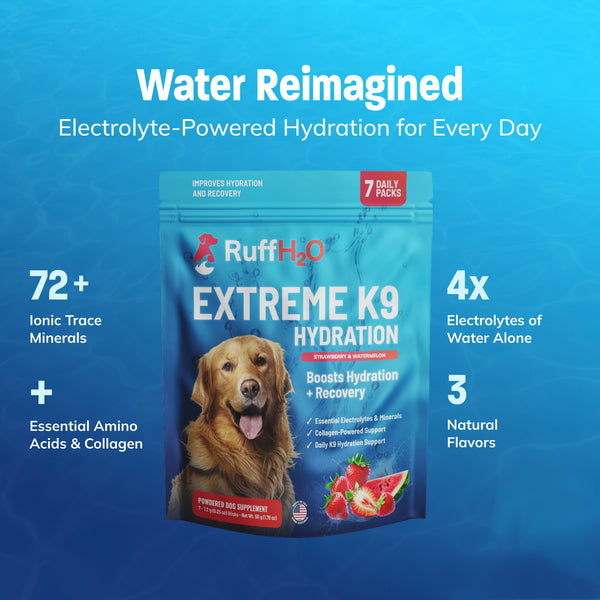
Ruff H2O, K9 Hydration
7 Daily Packs of Powdered Hydration Supplement for Dogs Every dog deserves more than plain water. Ruff H2O™ supports deeper hydration by replenishing essential electrolytes and nutrients dogs lose ev… Read more
Frequently Asked Questions
Can I give my dog flavored Pedialyte?
No. You should never give your dog flavored Pedialyte. Wide flavored varieties contain artificial sweeteners like xylitol, which is highly toxic and potentially fatal to dogs even in small amounts. Always use the clear, unflavored version.
How much Pedialyte should I give my dog?
If your vet approves, the general guideline is 2 to 4 milliliters of diluted Pedialyte per pound of body weight every hour. It must be diluted 50/50 with water. Never let your dog drink large amounts at once, as this can trigger vomiting.
Is Gatorade safe for dogs?
No, Gatorade is not recommended for dogs. It contains high amounts of sugar and sodium that are formulated for human athletes, not canines. The excess sugar and salt can cause stomach upset and worsen dehydration in dogs.
Can I give my dog a hydration product every day?
Yes, many hydration products are formulated for daily use and can provide your dog with essential electrolytes and nutrients. However, it's vital to follow the recommendations on the product label and consult with your vet to determine the best hydration strategy for your dog based on their age, size, activity level, and overall health.

