
Many symptoms dog owners mistake for illness or aging, including low energy, dull coat, digestive issues, and sluggishness, can actually be signs of them being dehydrated. Understanding the connection between hydration and canine health may help you address the root cause before assuming something more serious is wrong.
Key Takeaways
-
Dehydrated Symptoms Mimic Illness
Low energy, dull coat, digestive discomfort, and lethargy are all common signs of dehydration in dogs. These symptoms are frequently mistaken for aging or sickness.
-
Many Dogs Live in Chronic Mild Dehydration
Dogs eating dry kibble, older dogs, and highly active dogs are especially prone to ongoing low-grade dehydration that owners rarely notice until symptoms become obvious.
-
True Hydration Goes Beyond Water
The body needs electrolytes and trace minerals to absorb and retain water at the cellular level. Without these, water may pass through without fully hydrating tissues.
-
Upgrading Hydration Can Produce Noticeable Changes
Many dog owners report improvements in energy, coat quality, digestion, and overall vitality after adding advanced hydration support like Ruff H2O K9 Hydration to their dog's routine.
The Silent Health Issue Affecting Many Dogs
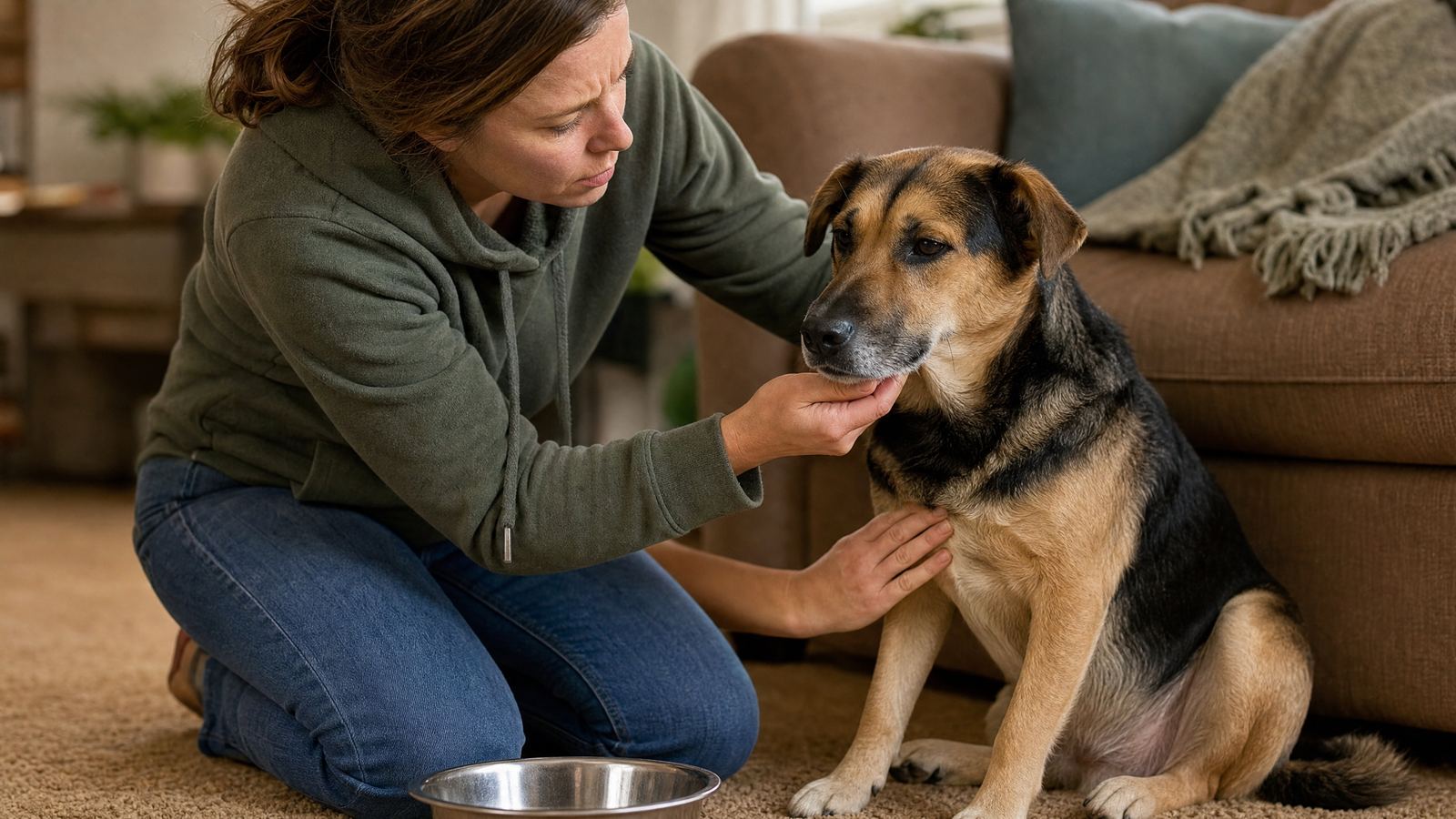
As dog owners, we often panic when our dog starts acting differently. Maybe they seem tired. Maybe they're slowing down on walks. Maybe they aren't excited about food. Maybe their coat looks dull or they're panting more than usual.
The first thought most people have is: something must be wrong.
And sometimes that's true. But in many cases, one of the most overlooked causes behind these symptoms is something incredibly simple: being dehydrated.
Most dog owners assume that if a water bowl is available, their dog is properly hydrated. But hydration is far more complex than simply drinking water. In fact, many dogs today may be living in a constant state of mild dehydration without their owners ever realizing it.
This is especially common in dogs that eat dry kibble diets, are highly active, spend time outdoors, or are getting older. The signs of dehydration often look very similar to signs of illness, which is why so many cases go unaddressed.
According to The Merck Veterinary Manual, dehydration in dogs can affect nearly every organ system and is often underdiagnosed in clinical settings.
Signs That May Actually Be Linked to Dehydration
Many symptoms people associate with sickness can also occur when the body lacks proper hydration. These may include low energy, excessive sleeping, dry nose or dry skin, heavy panting, sluggish movement, digestive discomfort, constipation, lack of appetite, poor recovery after exercise, thick saliva, dull coat quality, and increased irritability or lethargy.
If constipation accompanies reduced water intake or hard stool, review our veterinarian informed guide to dog constipation treatment and warning signs.
Hydration affects nearly every system in the body, including circulation, digestion, nutrient delivery, joint lubrication, temperature regulation, and organ function. When the body lacks proper hydration, it simply cannot function efficiently.
If your dog is showing several of these signs, it may be worth reading more about the common health problems caused by poor hydration before assuming a more serious diagnosis.
Why Modern Dogs Are More Prone to Being Dehydrated
Dogs today live very differently than their ancestors. Wild dogs naturally consumed moisture-rich diets from fresh food and prey. Modern dogs, however, often eat heavily processed dry kibble containing very little moisture.
This means many dogs are relying almost entirely on drinking water to stay hydrated. The problem is that many dogs simply don't drink enough. And even when they do, plain water alone may not always provide the mineral and electrolyte support needed for optimal hydration.
Older dogs are especially vulnerable because thirst response often decreases with age. This is one reason why senior dog wellness increasingly focuses on hydration as a foundational pillar.
Hydration Is More Than Just Water
True hydration happens at the cellular level. The body also relies on electrolytes, trace minerals, nutrient transport, and proper absorption to effectively use and retain water. Without proper mineral balance, water can pass through the body too quickly without fully hydrating cells and tissues.
This is one reason many dog owners notice improvements in their pets simply by upgrading hydration support. When cells receive the minerals and electrolytes they need, water is absorbed and utilized far more efficiently.
Research from the National Institutes of Health confirms that electrolyte balance plays a critical role in cellular hydration efficiency across all mammals, including dogs.
How Better Hydration Can Change Your Dog's Health
When dogs receive proper hydration support, owners often notice meaningful improvements across multiple areas of health.
Energy Levels: Hydration helps support cellular energy production and nutrient delivery throughout the body. Dogs that were previously sluggish often become noticeably more active.
Digestion: Water is critical for breaking down food and supporting healthy bowel movements. This is closely related to why digestive enzymes for dogs work best when paired with adequate hydration.
Joint Comfort and Mobility: Hydration helps lubricate joints and connective tissues, especially important for aging dogs.
Skin and Coat Health: Hydrated skin cells often lead to healthier-looking coats and reduced dryness.
Heat Tolerance and Recovery: Dogs lose fluids quickly during exercise, stress, and warm weather. Proper hydration supports recovery and cooling.
Overall Vitality: Many dogs simply appear happier, more alert, and more active when properly hydrated.
Ruff H2O K9 Hydration was designed to make this upgrade simple. One packet mixed into your dog's water bowl delivers essential electrolytes, amino acids, and collagen to support deeper, more effective hydration every day.
Simple Ways to Improve Your Dog's Hydration
Add Moisture to Meals: Adding water, bone broth, or moisture-rich toppers to kibble can help increase hydration intake naturally.
Provide Fresh Water Frequently: Many dogs drink more when water is fresh and bowls are cleaned regularly.
Support Mineral Balance: Trace minerals and electrolyte-supporting nutrients may help improve hydration efficiency. Products like Ruff H2O K9 Hydration make this easy and enjoyable for dogs.
Increase Hydration During Activity: Exercise, travel, heat, and stress all increase fluid loss. Extra support during these times can make a significant difference.
Watch for Early Signs: Small behavioral changes can sometimes be the body asking for better hydration support. Not every tired dog is sick. Not every sluggish dog is aging poorly. Sometimes, the body is simply struggling to function without proper hydration.

A premium nutritional food topper that adds essential electrolytes, amino acids, and collagen to your dog’s water bowl. Supports deeper hydration, energy, and joint comfort in dogs of all ages.
Frequently Asked Questions
1. How can I tell if my dog is dehydrated?
Common signs include dry or tacky gums, loss of skin elasticity (skin doesn't snap back quickly when pinched), sunken eyes, lethargy, and reduced urination. For mild dehydration, improving hydration support often resolves symptoms within a day or two.
2. Why does my dog seem tired even though they drink water?
Drinking water is only part of hydration. If the water lacks proper minerals and electrolytes, cells may not absorb it efficiently. This is why dogs can drink regularly and still experience symptoms of dehydration.
3. Can being dehydrated cause digestive problems in dogs?
Yes. Water plays a critical role in digestion, nutrient absorption, and healthy bowel movements. Dogs that are chronically under-hydrated often experience constipation, reduced appetite, and digestive discomfort.
4. Is it safe to add electrolytes to my dog's water?
Yes, when using products specifically formulated for dogs. Ruff H2O K9 Hydration is formulated with dog-safe electrolytes, amino acids, and collagen with no added sugars or artificial sweeteners.
5. How quickly can better hydration improve my dog's symptoms?
Many owners notice improvements in energy and coat quality within a few days to a week of improving hydration support. Results vary depending on the dog's age, diet, and activity level.

