
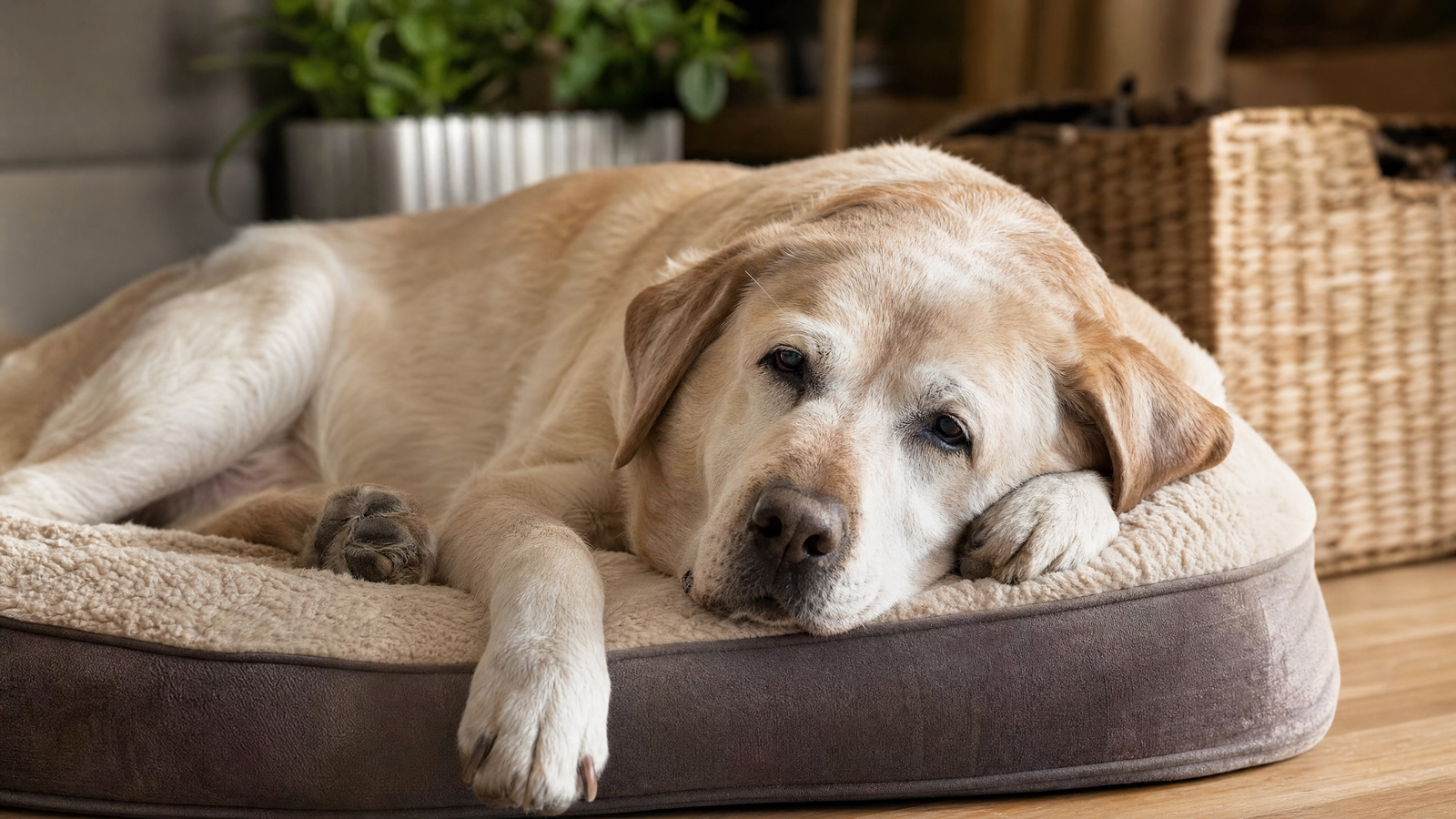


TL;DR: Poor hydration in dogs can contribute to at least 9 distinct health problems, including low energy, digestive issues, joint stiffness, dry skin, overheating, kidney stress, muscle weakness, poor nutrient absorption, and reduced immune resilience. Many of these conditions are mistaken for aging or illness when hydration may be the root cause.
Key Takeaways
-
Hydration Affects 9 Major Health Areas
From energy and digestion to joints, skin, kidneys, and immune resilience, poor hydration can quietly contribute to a wide range of health problems in dogs.
-
Dry Kibble Diets Increase Dehydration Risk
Modern dry dog food contains as little as 8 to 10% moisture, compared to the 65 to 75% moisture found in a dog's natural ancestral diet. This creates a chronic moisture deficit.
-
Even Mild Dehydration Has Real Consequences
You don't need severe dehydration to see health impacts. Chronic low-grade dehydration can affect cellular function, organ health, and recovery over time.
-
Advanced Hydration Support Can Help
Products like Ruff H2O K9 Hydration go beyond plain water by replenishing electrolytes, amino acids, and minerals to support deeper cellular hydration every day.
Table of Contents
- Why Hydration Matters More Than Most People Realize
- 9 Health Problems Linked to Poor Hydration in Dogs
- Why Many Dogs May Still Be Under-Hydrated
- Hydration Is More Than Just Water
- Helping Your Dog Stay Properly Hydrated
- Frequently Asked Questions
Why Hydration Matters More Than Most People Realize
When most people think about keeping their dog healthy, they focus on food, exercise, supplements, and vet visits. But one of the most important factors in your dog's overall health is often overlooked: hydration.
Water is essential to nearly every function inside your dog's body. In fact, a dog's body is made up largely of water, and every organ, tissue, muscle, and cell depends on proper hydration to function correctly.
The problem is that many dogs today may not be getting the hydration support they truly need. And over time, poor hydration can contribute to a wide range of common health concerns.
Hydration is not just about preventing extreme dehydration. Even mild, ongoing dehydration can place stress on the body and affect digestion, energy production, joint function, temperature regulation, nutrient absorption, circulation, and organ health. According to the American Veterinary Medical Association, hydration is considered a foundational component of canine health maintenance.
Many dogs today consume primarily dry kibble diets, which contain very little natural moisture compared to fresh food diets. As a result, dogs often rely almost entirely on drinking water to maintain hydration, and many simply do not drink enough throughout the day.
9 Health Problems Linked to Poor Hydration in Dogs
1. Low Energy and Fatigue
One of the earliest signs of poor hydration is reduced energy. Water helps transport oxygen and nutrients throughout the body. Without proper hydration, cells may not function efficiently, leading to sluggishness, reduced stamina, excessive sleeping, and poor recovery after activity.
Many owners mistake this for aging when, in some cases, hydration may be playing a major role. If your dog seems to be slowing down and you're not sure why, hydration is worth examining first.
2. Digestive Problems
Hydration is essential for healthy digestion. When dogs do not receive enough fluids, it can affect food breakdown, nutrient absorption, healthy bowel movements, and gut function. This may contribute to constipation, hard stools, digestive discomfort, and reduced appetite. Dogs eating dry kibble are especially vulnerable because their meals contain minimal moisture. Learn how digestive enzymes for dogs work best when paired with proper hydration.
3. Joint and Mobility Issues
Water helps lubricate joints and support connective tissues. When hydration levels are poor, dogs may experience stiffness, reduced mobility, slower movement, and discomfort during activity. This can become even more noticeable in senior dogs or highly active breeds. While hydration alone is not the cause of joint disease, poor hydration may contribute to reduced joint comfort and recovery. This is why glucosamine for dogs is most effective when combined with adequate hydration.
4. Dry Skin and Dull Coat
The skin is one of the first places dehydration may become visible. Signs may include dry or flaky skin, excessive shedding, brittle fur, and dull coat appearance. Healthy hydration helps support healthy skin cells and coat quality from the inside out.
5. Overheating and Heat Stress
Dogs rely heavily on hydration to regulate body temperature. Unlike humans, dogs cannot sweat effectively and instead cool themselves mainly through panting. Without enough fluids, dogs may struggle to regulate heat during hot weather, exercise, outdoor play, travel, and stress. This can increase the risk of overheating and heat exhaustion. Proper hydration becomes especially important during summer months.
6. Kidney and Urinary Stress
Water plays a critical role in helping the kidneys filter waste products and maintain healthy urinary flow. Poor hydration may place additional stress on the urinary system over time and can contribute to concentrated urine. Maintaining healthy hydration habits helps support normal kidney and urinary function. Research from the National Institutes of Health confirms that adequate fluid intake is essential for kidney health.
7. Muscle Weakness and Recovery Issues
Muscles depend heavily on water and electrolytes to function properly. Dogs with poor hydration may experience reduced endurance, muscle fatigue, slower recovery after exercise, and weakness during activity. This is especially common in working dogs, sporting breeds, highly active dogs, and older dogs.
8. Reduced Nutrient Absorption
Even high-quality nutrition may not be fully utilized if hydration is lacking. Water is necessary for nutrient transport, cellular absorption, circulation, and metabolic processes. Without proper hydration, the body may struggle to efficiently use the nutrients being consumed. This is one reason why dog food supplements are most effective when paired with proper hydration.
9. Poor Immune Function
Hydration supports overall cellular health and normal body function. When the body is under stress from poor hydration, it may affect overall resilience and recovery capacity. Hydration helps support circulation, nutrient delivery, waste removal, and healthy tissue function, all of which are important for maintaining overall wellness.
Why Many Dogs May Still Be Under-Hydrated
Many owners assume their dog will simply drink enough water naturally. But modern lifestyles can make proper hydration difficult. Common contributing factors include dry kibble diets, hot climates, increased activity, aging, stress, travel, poor water quality, and lack of minerals or electrolytes.
Some dogs also simply do not have a strong thirst drive until they are already mildly dehydrated. This is particularly common in older dogs, where the thirst response naturally diminishes with age.
Hydration Is More Than Just Water
True hydration is not only about the amount of water consumed. The body also relies on trace minerals, electrolytes, proper absorption, and cellular balance to effectively utilize and retain hydration. This is why many pet owners are beginning to focus on advanced hydration support rather than plain water alone.
Ruff H2O K9 Hydration was formulated specifically to address this gap. It provides essential electrolytes, hydrolyzed collagen, amino acids, and vitamin B12 to support deeper, more effective hydration for dogs of all ages and activity levels.Helping Your Dog Stay Properly Hydrated
Add Moisture to Meals: Adding water, broth, or moisture-rich foods to kibble may help increase fluid intake.
Encourage Frequent Drinking: Fresh, clean water should always be available and changed regularly.
Support Mineral Balance: Trace minerals and hydration-supporting nutrients may help improve how the body utilizes water. Ruff H2O K9 Hydration makes this simple with one daily packet mixed into your dog's water bowl.
Increase Hydration During Heat and Activity: Dogs lose fluids quickly during exercise and warm weather. Extra support during these times can make a meaningful difference.
Watch for Early Signs: Small changes in energy, coat quality, digestion, or behavior may sometimes point toward hydration needs. Understanding the signs of dehydration in dogs can help you act before symptoms worsen.
Hydration affects virtually every system in your dog's body. When hydration levels are poor, the body may struggle long before obvious dehydration symptoms appear. Helping your dog stay properly hydrated is one of the simplest and most powerful ways to support long-term health, vitality, and quality of life.

A premium nutritional food topper that adds essential electrolytes, amino acids, and collagen to your dog’s water bowl. Supports deeper hydration, energy, and joint comfort in dogs of all ages.
Frequently Asked Questions
1. What are the most common signs of poor hydration in dogs?
Common signs include low energy, dry or tacky gums, dry nose, dull coat, excessive panting, constipation, and reduced appetite. These symptoms can be subtle and are often mistaken for aging or illness.
2. Can poor hydration cause joint problems in dogs?
Poor hydration can contribute to reduced joint lubrication and slower recovery after activity. While it is not the sole cause of joint disease, maintaining proper hydration supports joint comfort and mobility, especially in senior dogs.
3. How does dry kibble affect my dog's hydration?
Dry kibble typically contains only 8 to 10% moisture, compared to 65 to 75% in a dog's natural ancestral diet. This means dogs eating dry food need to drink significantly more water to compensate, and many don't drink enough.
4. What is the best way to improve my dog's hydration?
A combination of fresh water access, adding moisture to meals, and using an advanced hydration supplement like Ruff H2O K9 Hydration provides electrolytes, minerals, and amino acids to support deeper cellular hydration.
5. Is dehydration more common in senior dogs?
Yes. Older dogs often have a reduced thirst response, meaning they may not drink enough even when their body needs it. Senior dogs benefit greatly from proactive hydration support as part of their daily wellness routine.
