
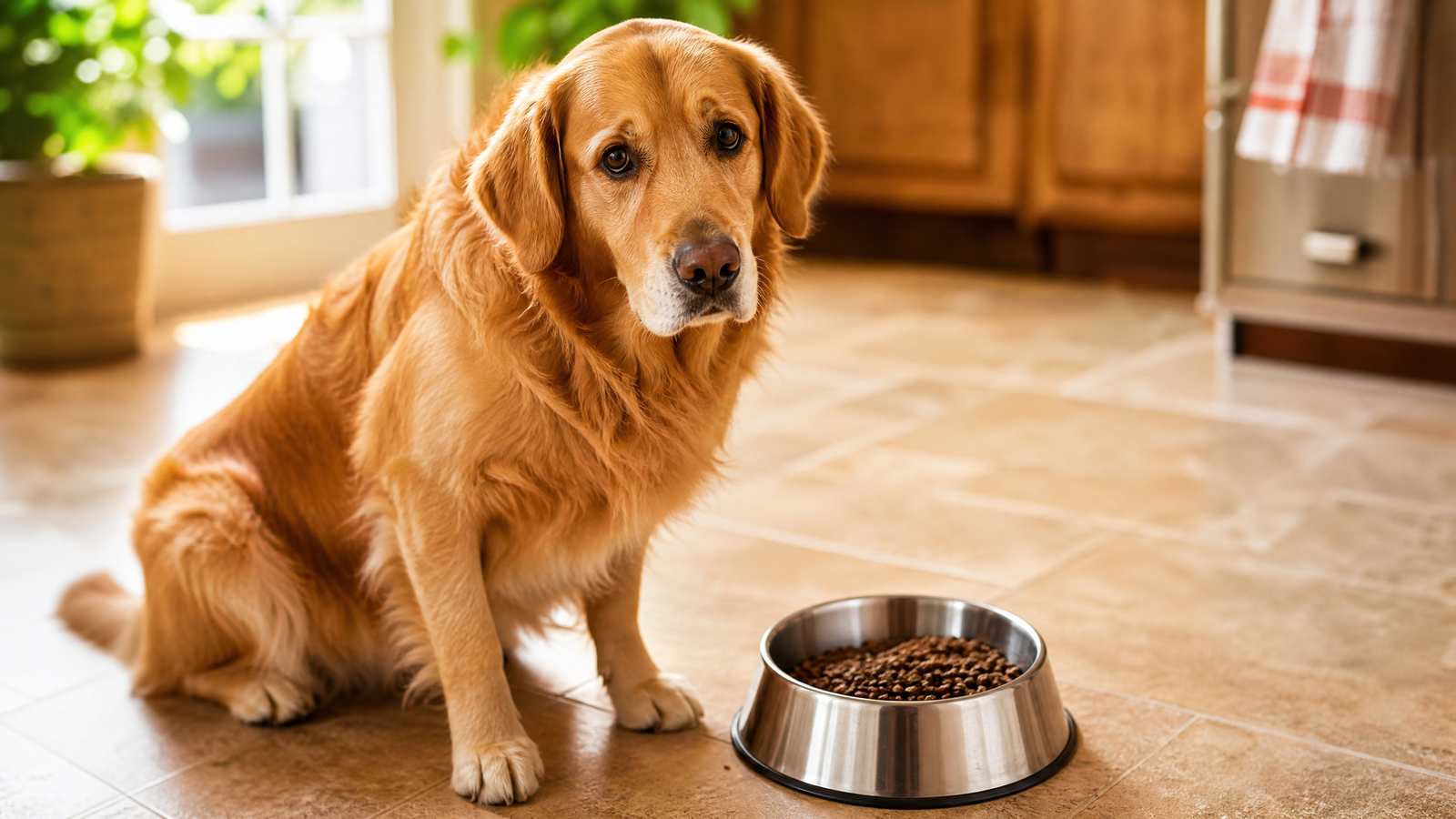

TL;DR: A dog may stop eating due to illness, dental pain, stress, or simply being a picky eater. If your dog has not eaten for two days, or if they are experiencing vomiting or diarrhea, contact your veterinarian immediately to rule out serious health conditions.
Key Takeaways
-
Monitor the Timeline
Adult dogs can safely go a day or two without food, but if your dog skips meals for more than 48 hours, veterinary attention is required.
-
Watch for Other Symptoms
If a loss of appetite is accompanied by vomiting, diarrhea, or lethargy, contact your vet within 8 to 12 hours.
-
Consider Environmental Changes
Stress from moving, a new pet, or even rearranging furniture can cause a dog to temporarily lose their appetite.
-
Try Gentle Enticements
Warming their food, adding a bit of chicken broth, or using a high quality food topper can help stimulate their desire to eat.
Understanding Canine Appetite Loss
It can be deeply concerning when your normally food motivated companion suddenly turns their nose up at dinner. A dog not eating, known medically as anorexia or inappetence, is a common issue that can stem from a wide variety of sources. It is important to differentiate between a dog that is a picky eater and one that is experiencing a genuine medical issue.
In some cases, your dog might just be holding out for tasty dog food toppers or table scraps. However, a sudden and complete refusal to eat should always be taken seriously. Your dog's appetite is regulated by complex mechanisms involving their brain, stomach, and hormones. When this system is disrupted, it is often a sign that something is amiss.
Medical Reasons Why Your Dog Is Not Eating
The most common reason a dog stops eating is that they simply do not feel well. Just like humans, dogs lose their desire for food when they are sick or in pain. According to the American Kennel Club, viruses and infections frequently cause a temporary loss of appetite.
Dental disease is another major culprit. If your dog has a fractured tooth, severe periodontal disease, or an oral tumor, chewing kibble can be incredibly painful. You might notice them approaching the bowl, sniffing the food, and walking away. This is a clear indicator of dental discomfort.
Gastrointestinal issues also play a significant role. Conditions such as parvovirus, inflammatory bowel disease, or a simple upset stomach from eating something inappropriate can cause your dog to avoid food. In more severe cases, an obstruction in the digestive tract from a swallowed toy can completely halt their appetite.
Systemic illnesses, including kidney failure, liver disease, and pancreatitis, are serious conditions that profoundly impact a dog's desire to eat. Even if your dog seems otherwise healthy, it is still crucial to monitor them closely, as some systemic issues develop gradually. Many owners confuse early illness with picky eating behavior, which can delay critical treatment.
| Category | Common Conditions | Key Signs to Watch For |
|---|---|---|
| Gastrointestinal | Upset stomach, ulcers, obstructions, parvovirus | Vomiting, diarrhea, abdominal pain |
| Systemic Illness | Kidney failure, liver disease, pancreatitis | Increased thirst, lethargy, weight loss |
| Dental Issues | Periodontal disease, fractured teeth | Drooling, dropping food, bad breath |
| Pain/Orthopedic | Arthritis, joint pain, injuries | Reluctance to lower head to bowl, limping |
Behavioral and Environmental Causes
Not all appetite loss is rooted in physical illness. Dogs are highly sensitive to their environment and routine. A significant life change, such as moving to a new home, the addition of a new baby, or the loss of a family member, can trigger stress and anxiety, leading to a hunger strike.
Some dogs experience separation anxiety and will only eat when their owner is present. Because dogs are pack animals, they may wait for their "pack leader" to return before feeling comfortable enough to eat.
Even minor environmental shifts can be disruptive. Rearranging the furniture, changing the location of their food bowl, or having houseguests can make a sensitive dog too nervous to eat. Additionally, if you have recently switched their food brand or flavor, they might simply dislike the new formula. Always transition to new diets gradually to prevent stomach upset and food refusal.
When to See a Veterinarian
Knowing when to seek professional help is vital. According to PetMD, most healthy adult dogs can go a day or two without eating, provided they are still drinking water. However, there are specific scenarios where you should not wait.
If your dog has not eaten for 48 hours, you must contact your veterinarian. If the lack of appetite is accompanied by other symptoms such as vomiting, diarrhea, lethargy, coughing, or difficulty breathing, you should seek veterinary care within 8 to 12 hours.
For diabetic dogs, skipping even a single meal is a medical emergency, as it can dangerously affect their response to insulin. Puppies also require immediate attention, as they lack the fat reserves of adult dogs and can become hypoglycemic very quickly.
Veterinarians have a range of diagnostic tools, including blood tests and ultrasounds, to uncover the root cause. As VCA Animal Hospitals explains, a complete blood count, serum biochemistry profile, and urinalysis can reveal conditions like kidney disease, liver damage, or diabetes. They may also prescribe a daily multivitamin supplement to help them regain their strength while the underlying issue is treated.
How to Get Your Dog to Eat Again
If your vet has ruled out serious medical conditions and your dog is just being fussy or mildly stressed, there are several strategies you can employ to encourage eating.
Warming the food in the microwave for a few seconds can enhance its aroma, making it more appealing. Adding a splash of dog safe chicken or beef broth can also entice a reluctant eater. For older dogs suffering from arthritis, elevating their food bowl can alleviate neck and joint pain, making mealtime more comfortable.
You might also consider incorporating a high quality nutritional supplement. A product like Ruff Greens VitaSmart can be mixed into their regular food, providing essential vitamins, minerals, and digestive enzymes that support overall health and can make their meal more palatable.
Ensure you are not overfeeding treats. Treats should make up no more than ten percent of your dog's daily caloric intake. If they are filling up on snacks, they will naturally be less interested in their balanced meals.
For dogs recovering from illness or stress related appetite loss, adding probiotics for dogs to their diet can help restore gut health and improve their desire to eat over time.
Support Your Dog's Appetite and Overall Health
Ruff Greens VitaSmart is packed with probiotics, digestive enzymes, vitamins, and minerals that make mealtime irresistible while filling nutritional gaps in your dog's diet.
Try VitaSmart Risk FreeFrequently Asked Questions
1. How long can a dog safely go without eating?
Most healthy adult dogs can go up to 48 hours without eating as long as they are still drinking water. However, if they skip meals for more than two days, you should contact your veterinarian immediately.
2. Why is my dog not eating but acting completely normal?
If your dog is acting normal but refusing food, they might be stressed, experiencing mild dental pain, or simply holding out for better food or treats. Monitor them closely and consult a vet if it lasts beyond a day or two.
3. Can I give my dog human food to stimulate their appetite?
While boiled, unseasoned chicken and white rice can be offered short term for an upset stomach, you should avoid feeding rich or fatty human foods, as these can cause severe gastrointestinal issues like pancreatitis.
References
1. American Kennel Club. "Why Won't My Dog Eat?" https://www.akc.org/expert-advice/health/why-wont-my-dog-eat/
2. PetMD. "Why Is My Dog Not Eating? Causes and What To Do." https://www.petmd.com/dog/symptoms/why-my-dog-not-eating
3. VCA Animal Hospitals. "Testing for Decreased Appetite with Listlessness." https://vcahospitals.com/know-your-pet/testing-for-decreased-appetite-with-listlessness

