
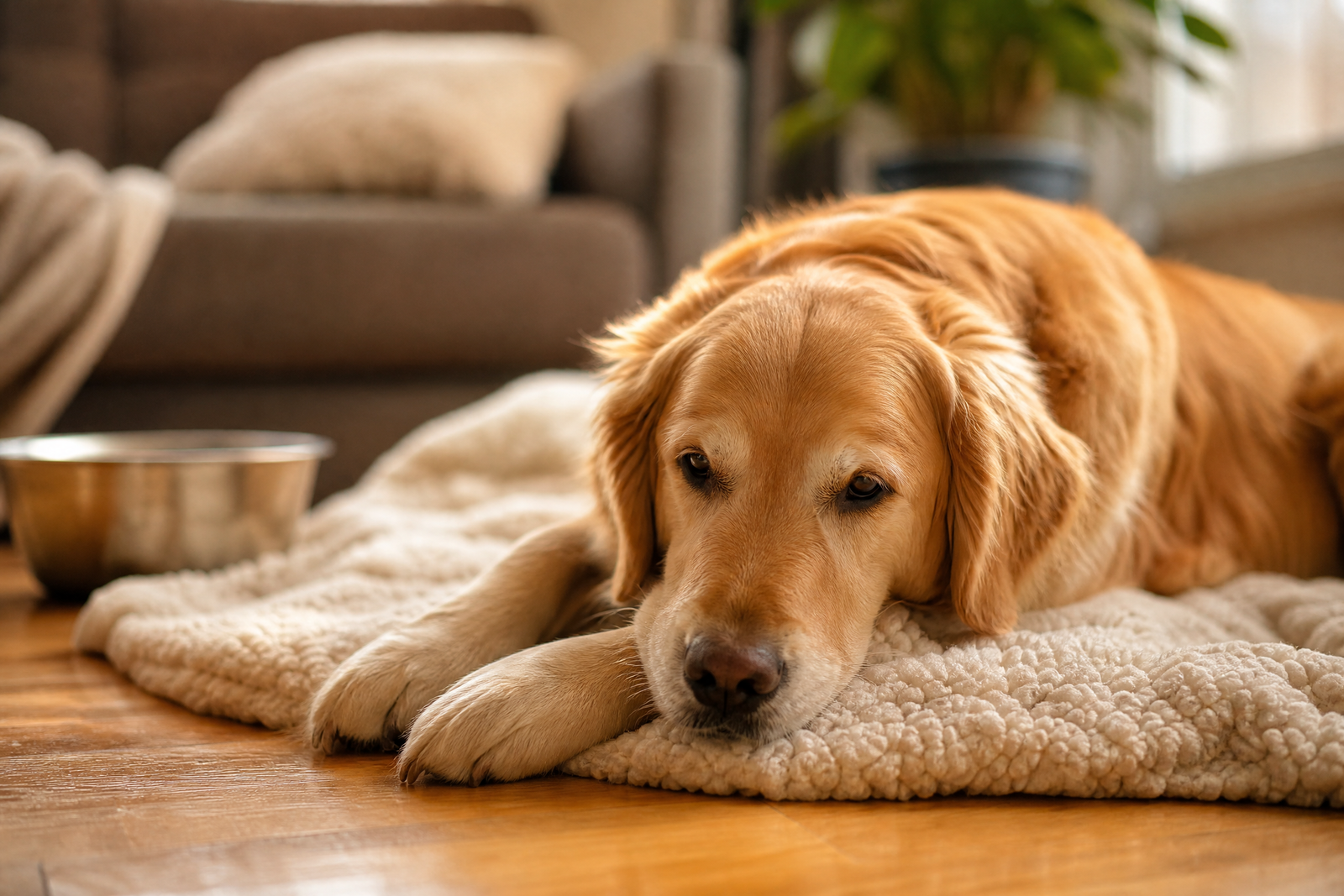

TL;DR: Dog diarrhea is a common symptom caused by diet changes, stress, infections, or parasites. Mild cases usually resolve in 2 to 3 days with a bland diet of boiled chicken and rice, plus a canine probiotic. Seek emergency veterinary care immediately if the diarrhea is bloody, black, or accompanied by vomiting and lethargy.
Key Takeaways
-
Monitor Stool Appearance
The color and consistency of your dog's diarrhea can indicate the severity of the issue. Black, tarry, or bloody stools are immediate emergencies.
-
Use a Bland Diet
Feeding boiled chicken and white rice can help soothe an upset stomach and firm up loose stools during a mild episode.
-
Incorporate Probiotics
Adding a canine specific probiotic supplement helps restore healthy gut bacteria and speeds up recovery from digestive upset.
-
Watch for Dehydration
Diarrhea causes rapid fluid loss. Ensure your dog has constant access to fresh water and monitor for signs of lethargy.
What Is Dog Diarrhea?
Dog diarrhea is characterized by unformed, loose, or liquid stools that occur in larger amounts or more frequently than normal. It is not a disease itself, but rather a clinical sign of an underlying issue. Healthy dog stool should be firm and easy to pick up. When the digestive process is disrupted, fecal material moves through the intestine too quickly, resulting in decreased absorption of water, nutrients, and electrolytes.
Veterinarians generally categorize diarrhea into two main types based on origin. Large bowel diarrhea arises from the colon and is often acute, while small bowel diarrhea originates in the small intestines and tends to be more chronic. Understanding the difference helps in diagnosing the root cause. If you hear dog stomach gurgling noises before an episode, it is a clear sign of gastrointestinal distress.
Some dogs with large bowel diarrhea may benefit from a veterinarian selected fiber source. Our guide to fiber for dogs explains how different types affect stool water and fermentation and why the correct source depends on the cause.
Common Causes of Dog Diarrhea
Why does my dog have diarrhea? The most frequent cause is dietary indiscretion, which means your dog ate something they should not have. This includes garbage, overly rich foods, or foreign objects. However, there are many other potential triggers for digestive upset.
A sudden change in diet is another leading culprit. Switching your dog's food too quickly does not give their gastrointestinal tract enough time to adjust. Stress from travel, boarding, or environmental changes can also negatively impact their digestive system.
More serious causes include:
- Internal Parasites: Giardia, coccidia, roundworms, and hookworms.
- Infections: Bacterial infections like Salmonella or viral diseases such as parvovirus.
- Allergies: Dog food allergies can manifest as gastrointestinal distress.
- Systemic Illness: Conditions like pancreatitis, inflammatory bowel disease (IBD), or liver disease.
| Cause | Typical Severity | Common Symptoms |
|---|---|---|
| Dietary Indiscretion | Mild to Moderate | Loose stool, mild gas |
| Sudden Diet Change | Mild | Soft stool, increased frequency |
| Internal Parasites | Moderate | Chronic diarrhea, weight loss |
| Viral Infection (Parvo) | Severe | Bloody diarrhea, vomiting, lethargy |
When to See a Vet for Dog Diarrhea
If your dog has a single episode of diarrhea but is otherwise acting fine, eating normally, and maintaining their energy, you can usually monitor them at home. Mild cases often resolve on their own within 24 to 48 hours.
However, dog diarrhea can quickly become a medical emergency. You should seek immediate veterinary care if the diarrhea is accompanied by vomiting, significant lethargy, or a complete lack of appetite. Dehydration is a major risk, as excess water is expelled along with waste products, putting severe strain on the kidneys.
Black, tarry stool (melena) or stool containing fresh blood indicates internal bleeding and requires urgent attention. Additionally, if you suspect your dog has ingested a toxin or a foreign object, do not wait. Puppies and senior dogs are especially vulnerable to rapid dehydration and should be seen by a vet sooner rather than later.
What to Feed a Dog With Diarrhea
Knowing what to feed a dog with diarrhea is crucial for their recovery. The first step is often to withhold food for 12 to 24 hours. This brief fasting period allows the inflamed gastrointestinal tract to rest and reset. Ensure your dog has access to plenty of fresh water during this time to prevent dehydration.
After the fasting period, introduce a bland diet. The standard recommendation is a mixture of boiled, skinless chicken breast (or low fat hamburger) and plain white rice. These ingredients are highly digestible and gentle on the stomach. Feed small, frequent meals rather than one large meal.
If you are preparing meals from scratch long term, you must understand homemade dog food nutrition to avoid deficiencies, but for a short term bout of diarrhea, a simple bland diet is perfectly safe. Once your dog's stool begins to firm up, you can gradually transition them back to their regular kibble over the course of several days.
Dog Diarrhea Treatment
Dog diarrhea treatment focuses on addressing the underlying cause while providing supportive care. For mild cases, the combination of fasting, a bland diet, and an over the counter canine probiotic is often highly effective. Probiotics help restore the balance of healthy bacteria in the gut, accelerating recovery. Research from the Cornell University College of Veterinary Medicine supports the use of probiotics as a well known therapy for gastrointestinal upset.
If the diarrhea persists beyond two days, your veterinarian will likely run diagnostic tests, such as a fecal exam, blood work, or x-rays. Depending on the results, they may prescribe anti-parasitic medications, antibiotics, or specific anti-diarrheal agents.
Never give your dog human medications like Pepto Bismol or Imodium unless explicitly directed by your veterinarian. These medications can be toxic to dogs or mask symptoms of a more serious condition. If your dog is severely dehydrated, they may require intravenous fluid therapy at the veterinary hospital.
How to Prevent Dog Diarrhea
While you cannot prevent every case of digestive upset, you can significantly reduce the risk. The most effective prevention strategy is strictly managing what your dog eats. Keep garbage securely closed, avoid feeding them rich human foods, and monitor them closely during walks to prevent scavenging.
When introducing a new food, always transition gradually. Mix a small amount of the new food with the old food, slowly increasing the ratio over 7 to 10 days. This gives the gut microbiome time to adjust.
Maintain a regular schedule for vaccinations and parasite prevention. Vaccinations protect against severe viral causes of diarrhea, such as parvovirus, while routine deworming keeps internal parasites at bay. Providing a daily supplement that includes digestive enzymes for dogs can also promote long term gastrointestinal health and nutrient absorption.

Ruff Greens™ VitaSmart
A premium nutritional food topper packed with probiotics, digestive enzymes, and essential nutrients that support healthy digestion, nutrient absorption, and gut balance in dogs of all ages.
Frequently Asked Questions
1. My dog has diarrhea but is acting fine. Should I worry?
If your dog has a single episode of loose stool but remains energetic and is eating normally, it is usually not a cause for immediate concern. Monitor them closely, provide fresh water, and consider a temporary bland diet. If it persists for more than 48 hours, consult your veterinarian.
2. Can I give my dog human diarrhea medicine?
No, you should never give your dog human medications like Imodium or Pepto Bismol unless specifically instructed by your veterinarian. These medications can be toxic to dogs or interfere with the diagnosis of a more serious underlying condition.
3. How long does dog diarrhea usually last?
Most mild cases of dog diarrhea caused by dietary indiscretion or stress will resolve within two to three days. Implementing a bland diet and offering probiotics for dogs can help speed up the recovery process.
References
1. Cornell University College of Veterinary Medicine. "Diarrhea: Worry or wait?" https://www.vet.cornell.edu/departments-centers-and-institutes/riney-canine-health-center/canine-health-topics/diarrhea
2. American Kennel Club. "Dog Diarrhea: Signs, Symptoms, and Treatments." https://www.akc.org/expert-advice/health/dog-diarrhea/
3. VCA Animal Hospitals. "Diarrhea in Dogs." https://vcahospitals.com/know-your-pet/diarrhea-in-dogs

