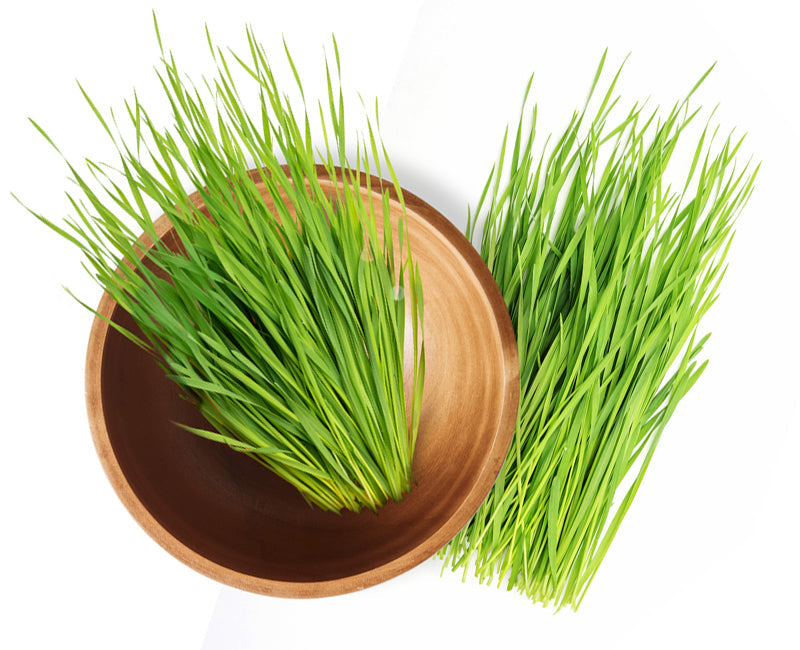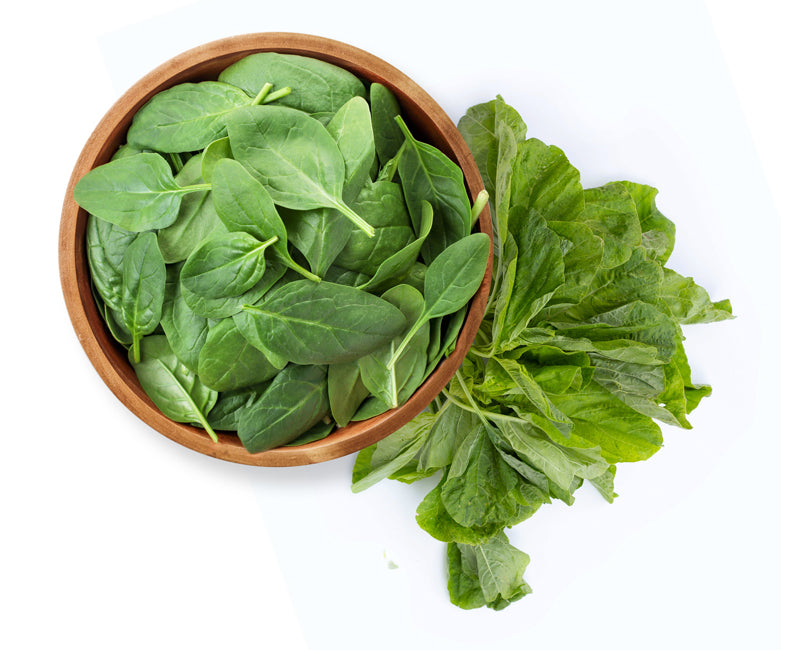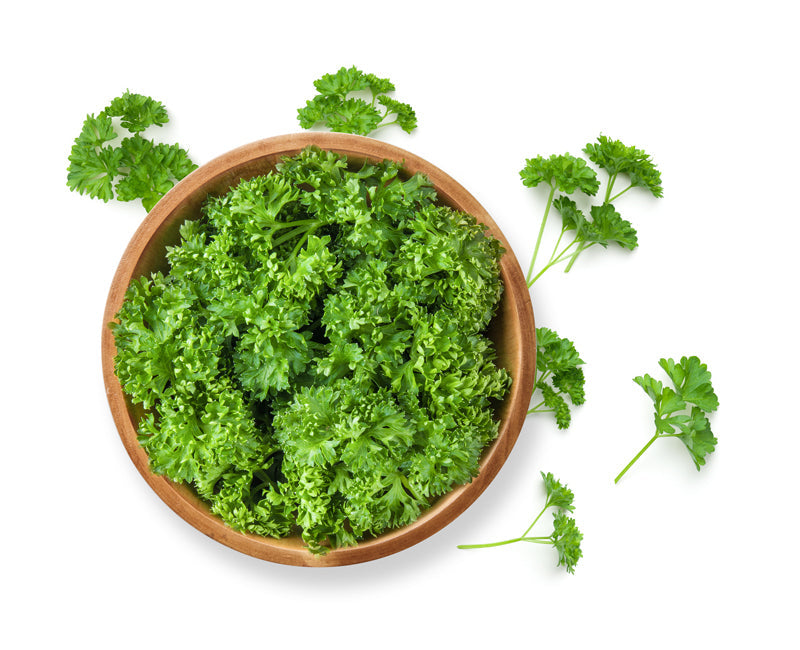


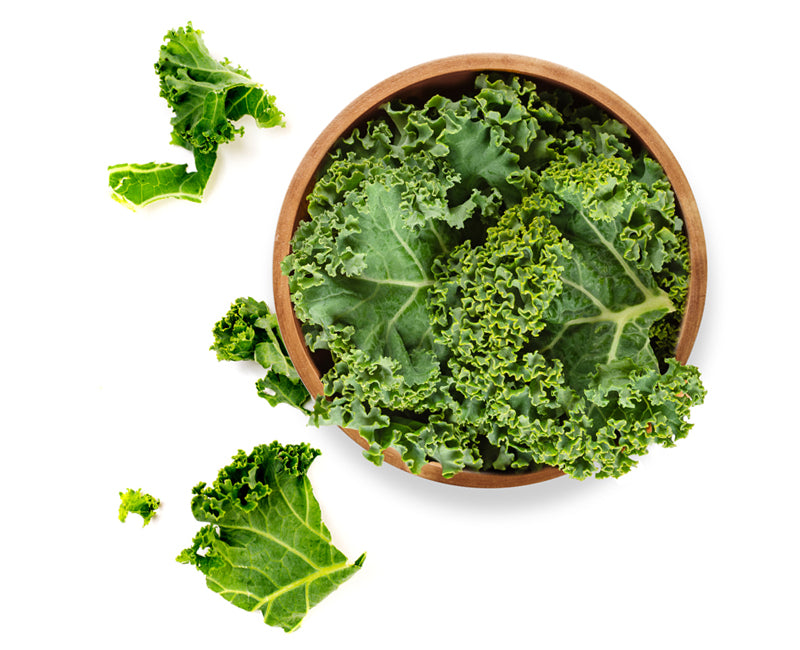


Kale for dogs provides a nutrient-dense combination of vitamins, minerals, and healthy plant compounds. Kale belongs to the cabbage family and contains vitamins A, K, and C. It also offers a small amount of healthy fat.
Potential benefits of kale for dogs
Kale’s natural nutrient profile may support several areas of everyday wellness:
- Vision health: Vitamin A and other nutrients help support normal vision.
- Joint support: Kale contains alpha-linolenic acid, a plant-based omega-3 fatty acid that supports healthy joints.
- Heart wellness: Its nutrients may help support normal blood pressure and heart health.
- Antioxidant support: Kale supports the body’s normal production of glutathione.
- Cellular wellness: The ingredient offers anti-proliferative nutritional support.
Kale is often described as nutrient-dense because it delivers a range of nutrients without a large amount of fat. The fat it does contain includes alpha-linolenic acid. This essential fatty acid adds useful nutritional support for the joints and other normal body functions.
The combination of vitamins A, K, and C gives kale a broad nutritional profile. Each vitamin has its own role, while the whole ingredient brings them together naturally. That variety is one reason kale can complement a balanced approach to canine nutrition.
Kale also contains plant compounds that support normal antioxidant activity. These compounds work alongside its vitamins and minerals. Together, they may support the eyes, heart, joints, and normal cellular processes.
When reviewing kale for dogs, it helps to look at the complete ingredient. Kale is not defined by only one vitamin or benefit. Its value comes from the way its vitamins, minerals, plant compounds, and healthy fats contribute to overall nutritional variety.
Ruff Greens uses nutrient-dense whole-food ingredients as part of its approach to daily canine nutrition. This overview keeps the original benefits and meaning of the kale ingredient description.†
For context, this page summarizes the ingredient’s established nutritional role. It does not replace a complete and balanced diet or veterinary advice for individual health needs.