

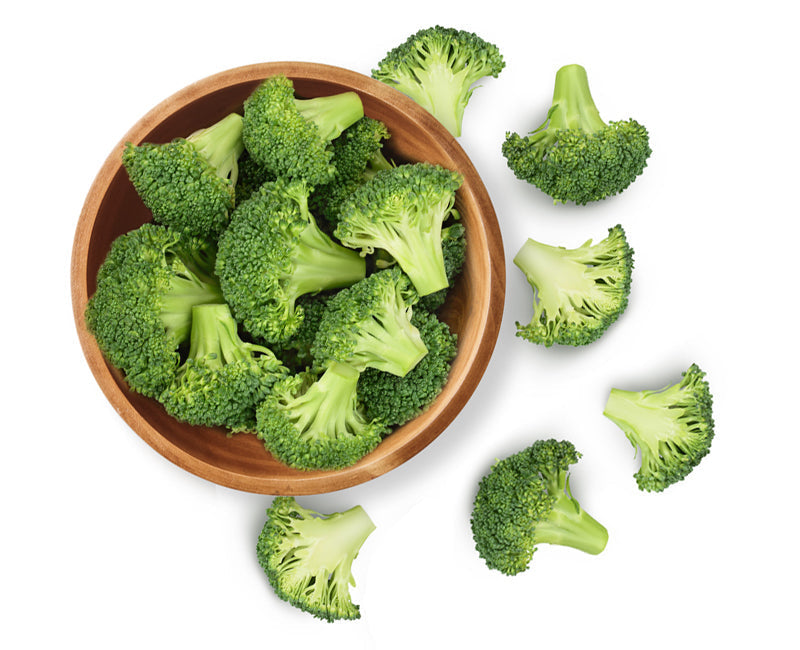


Broccoli for dogs can be a plain, occasional treat. Dogs may eat raw or cooked broccoli without oil or seasoning, but they do not need it to meet basic nutrition needs. As with any new food, start small and watch how your dog responds.
What broccoli offers
Broccoli has fiber and vitamin C, and it is low in fat. It also contains vitamin K and plant compounds. However, an ingredient’s nutrients do not prove that it treats or prevents a health problem.
Broccoli can fit as a small extra beside a complete dog food. So, think of it as a treat rather than a meal replacement. Every dog’s needs differ, especially with existing health issues or a special diet.
How to prepare broccoli for dogs
Good prep helps limit avoidable risks. First, wash the broccoli. Next, serve it plain, without oil, butter, salt, or spices. Then, cut both florets and stalks into small pieces that fit your dog’s size.
- Offer only a small amount at first.
- Stay with your dog while they eat.
- Stop if you notice stomach upset or your dog seems unwell.
Short pieces matter because large chunks can be hard to chew or swallow. In particular, watch dogs that gulp their food. Keep fresh water nearby as usual.
Why broccoli portions matter
Broccoli florets contain isothiocyanates. In larger amounts, these compounds may irritate a dog’s stomach. Therefore, keep broccoli servings small and check with your veterinarian if your dog has a health condition or takes medicine.
The American Kennel Club says dogs can eat plain raw or cooked broccoli in small quantities and recommends cutting it into bite-size pieces. Read its broccoli safety guide for more details.
Broccoli in a balanced diet
Broccoli does not replace complete dog food, and no single vegetable can meet every need. Instead, follow your dog’s usual diet plan. If you want to add new treats, ask your veterinarian how they fit your dog’s age, size, and health.
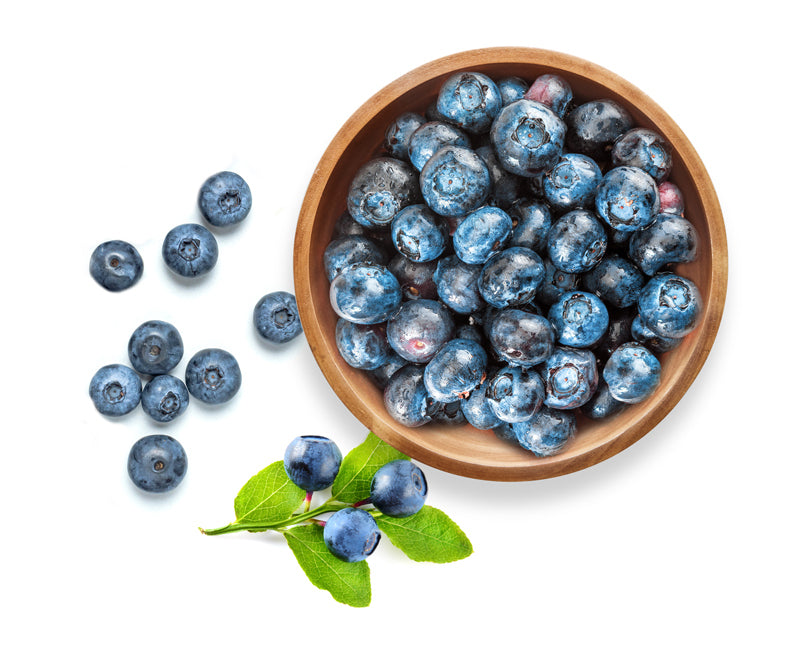
For another ingredient overview, see our blueberry guide for dogs. It explains the same basic approach: read ingredient information, keep treats modest, and ask for veterinary advice when needed.