

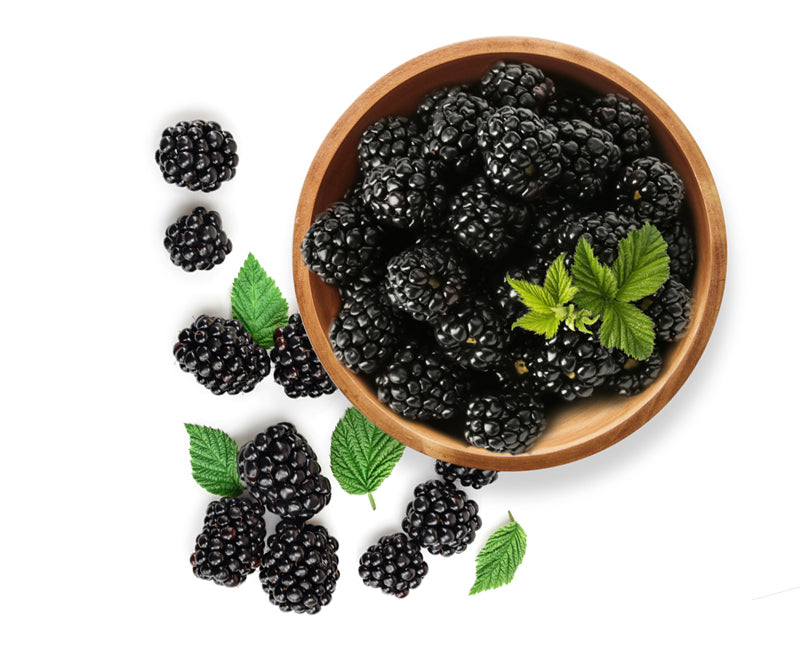
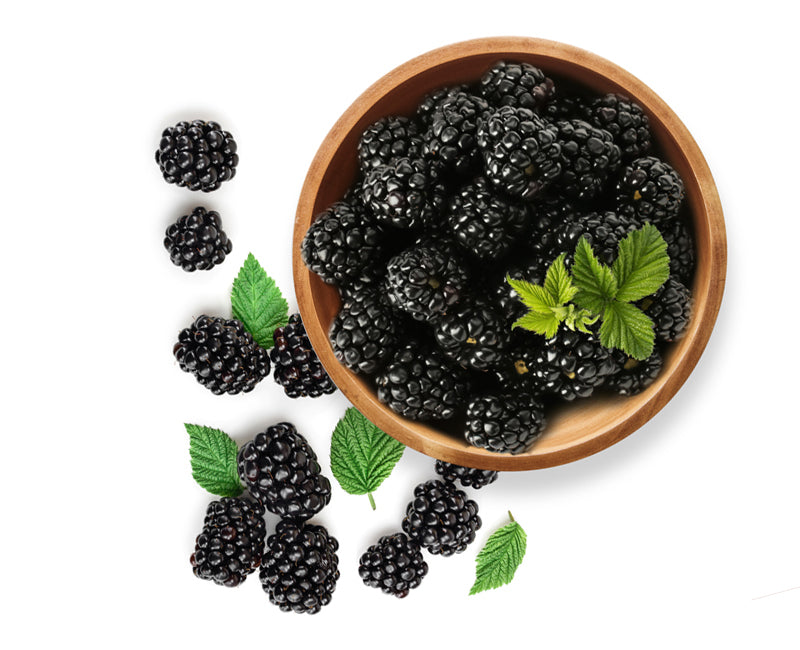

Blackberries can be an occasional treat for many dogs, but they should not replace a complete, balanced diet. This guide to blackberry nutrition for dogs explains what the fruit contains and how to offer it safely. A few berries do not treat illness or prove a disease-prevention benefit.
Blackberry nutrition for dogs: what the fruit contains
Raw blackberries provide dietary fiber and nutrients such as vitamin C, vitamin K, and manganese. The USDA FoodData Central listing describes the fruit's composition; it does not show that feeding berries changes a dog's health. Dogs on a complete and balanced diet usually get their required nutrients from that food. Fruit is optional.
Researchers study plant compounds in many foods. However, general nutrition data do not establish that blackberries prevent disease or reduce inflammation in dogs. Do not use berries or berry powder to manage cancer, heart problems, blood sugar, or digestive illness. Ask your veterinarian about health concerns.
Can dogs eat blackberries safely?
Many dogs can try a few plain blackberries as an occasional snack. Introduce any new food in a small amount and watch your dog afterward. The American Kennel Club's blackberry guide recommends washing fresh fruit and serving small portions. A medical condition, food sensitivity, or prescribed diet can change what's appropriate, so check with your veterinarian first.
- Rinse fresh berries under clean water.
- Cut or mash berries for small dogs or dogs that gulp food.
- Offer plain fruit; skip jam, syrup, sweetened yogurt, and desserts.
- Stop serving them if you notice vomiting, diarrhea, gas, or another reaction.
Also, offer only berries you can identify with confidence. Avoid wild fruit if you are unsure what it is, and do not let your dog forage unattended.
Keep treats within a balanced diet
UC Davis School of Veterinary Medicine's treat guidelines recommend that treats and extra foods provide no more than 10% of a dog's daily calories. At least 90% should come from a complete and balanced diet. That limit includes all snacks, not just fruit. Because dogs have different calorie needs, ask your veterinarian about portions if your dog has a medical condition or weight goal.
Fresh berries and blackberry powder are different
Fresh fruit and concentrated powders differ in preparation, serving size, and other ingredients. Read the label and feeding directions; never assume a human product is suitable for dogs. Ruff Greens lists blackberry among the ingredients in its VitaSmart formula. Review the current label for full ingredient and feeding details. Blackberry is one ingredient in a blend; general fruit research does not prove a particular effect from a finished supplement.
For many dogs, blackberries are simply an optional snack. Keep portions modest, serve them plain, and let your veterinarian guide food choices when your dog has individual nutrition needs.