


Maitake mushroom for dogs is a food ingredient, but claims about health effects need careful reading. Research in dogs is limited, so it should not replace veterinary care or a complete diet.
What is maitake mushroom?
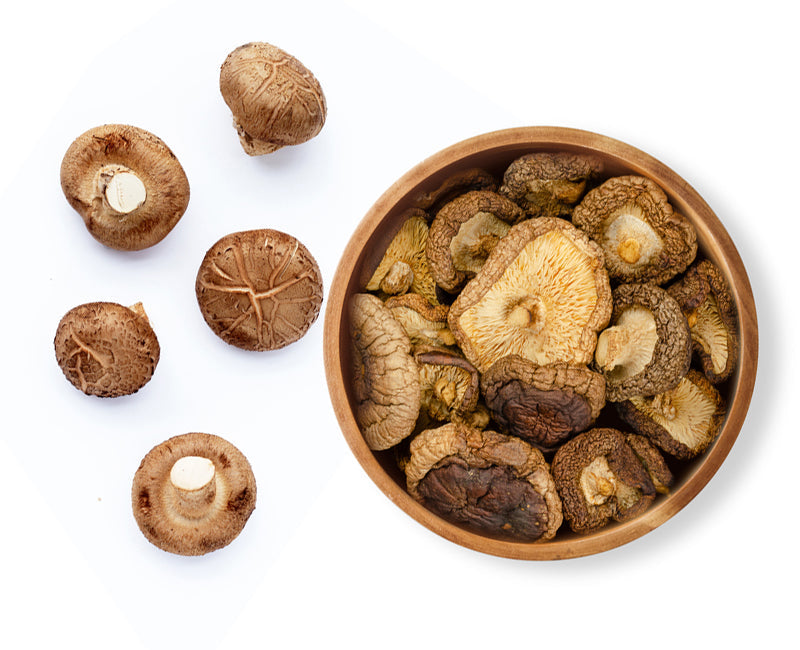
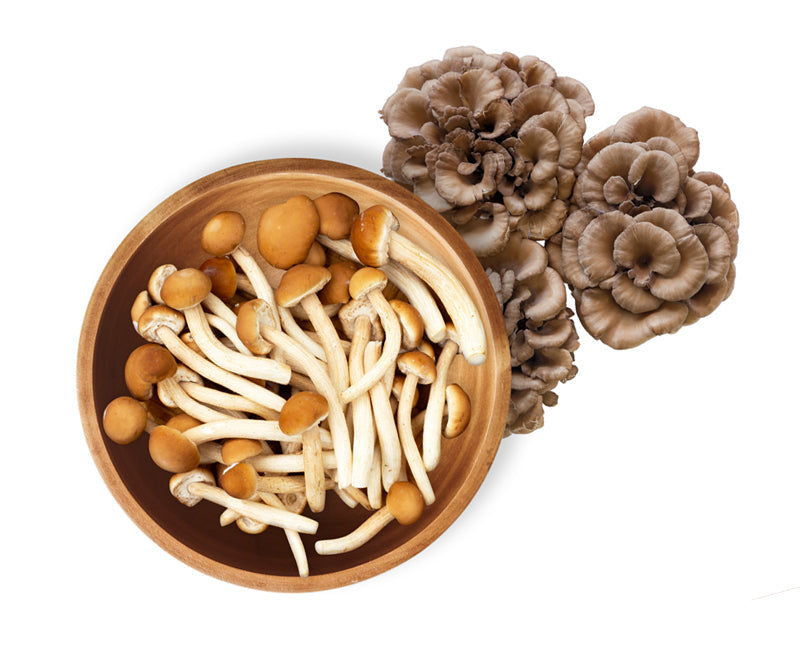
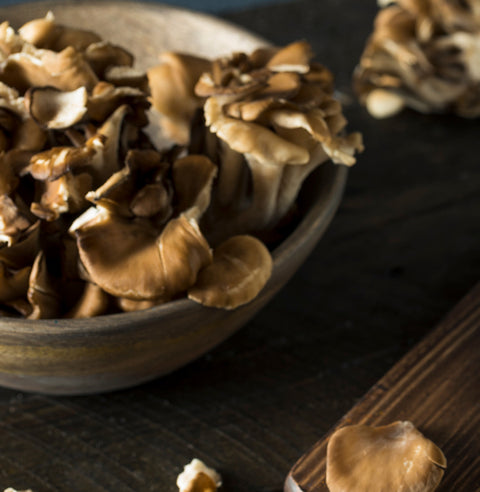
Maitake is an edible mushroom. It contains natural compounds such as beta-glucans and can provide nutrients, although amounts vary by source and preparation. A powder or extract may differ from a cooked mushroom, so check the label. These facts do not show that maitake prevents or treats disease.
What does research say about maitake mushroom for dogs?
Some mushroom compounds are being studied for possible effects on the immune system. However, studies in labs or other animals do not prove a benefit for every dog. Veterinary reviews say research on medicinal mushrooms in dogs remains limited, and safety or results may vary.
One small, noncontrolled study tested a maitake extract in 15 dogs with lymphoma and saw no objective tumor responses. Therefore, maitake should not be treated as cancer therapy. If your dog has cancer or another health condition, discuss any mushroom product with the veterinarian who manages their care.
Safety and feeding
Do not let your dog eat wild mushrooms. Some species can be toxic, and identification can be difficult. Use only a product clearly intended for dogs, follow its label, and ask your veterinarian before use if your dog takes medication or has a health condition. If your dog eats an unknown mushroom, contact a veterinarian right away.
Maitake mushroom for dogs is not a substitute for a complete diet. Also, do not use it instead of prescribed treatment or parasite prevention.
Questions to ask your veterinarian
- Is this product appropriate for my dog’s diagnosis and medication?
- What serving instructions should I follow?
- What signs mean I should stop or seek care?
Ruff Greens lists maitake mushroom extract in its VitaSmart ingredients. Check the product label for current serving information.
For more background, read the AKC review of medicinal mushrooms for dogs and this PetMD veterinary review.