Developed by veterinary nutritionists
Meets highest quality standards
Manufactured in a FDA Registered Facility


Dog diarrhea is a common symptom caused by diet changes, stress, infections, or parasites. Mild cases usually resolve in 2 to 3 days with a bland diet of boiled chicken and rice, plus a canine probiotic. Seek emergency veterinary care immediately if the diarrhea is bloody, black, or accompanied b...

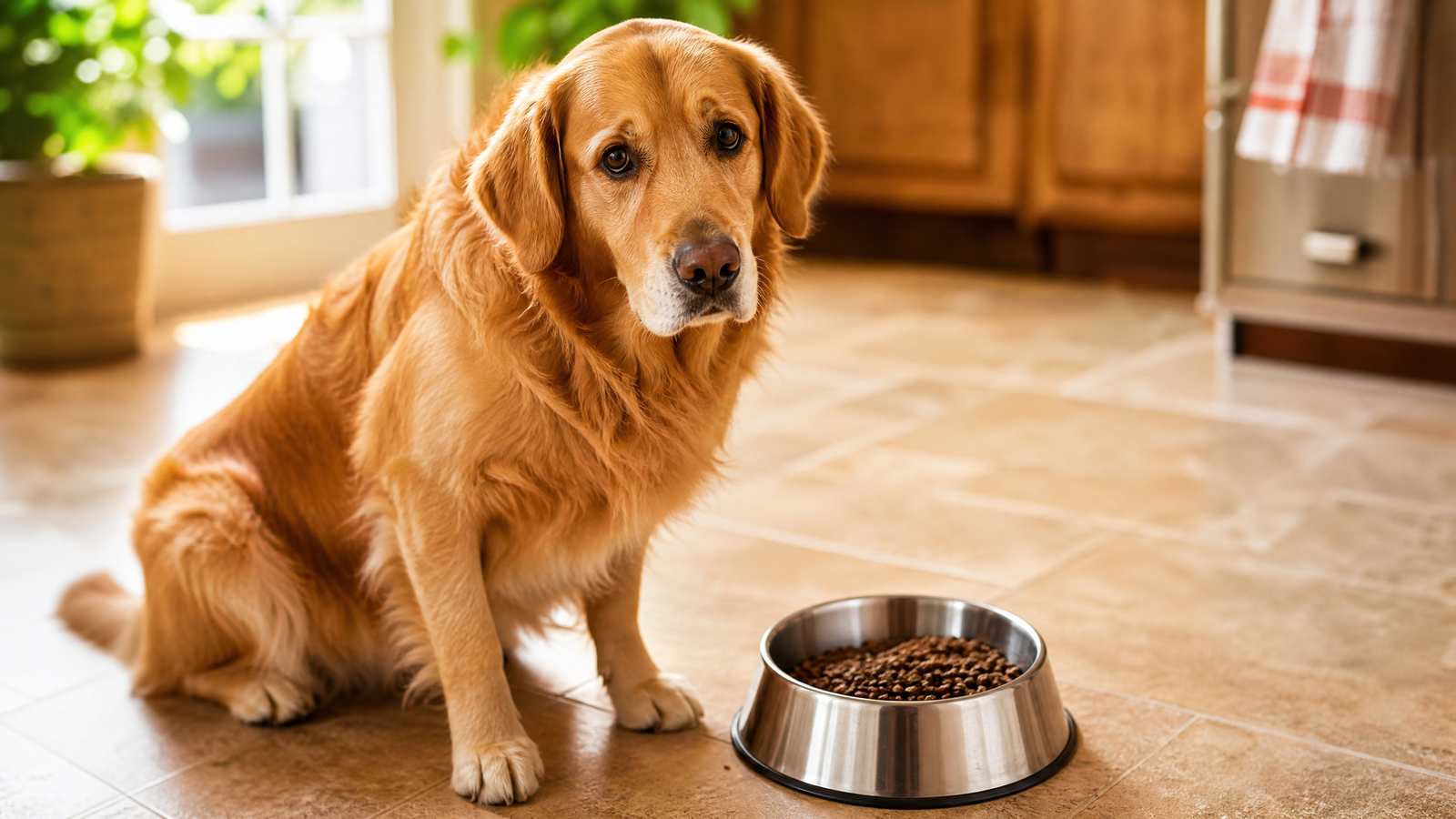
Dogs that eat too quickly swallow excess air, which eventually comes out as gas.

Dog stomach gurgling, medically known as borborygmi, is usually the normal sound of gas and fluid moving through the digestive tract. While hunger or fast eating are common causes, loud noises accompanied by vomiting, diarrhea, or a refusal to eat can signal a serious issue like a bowel obstructi...

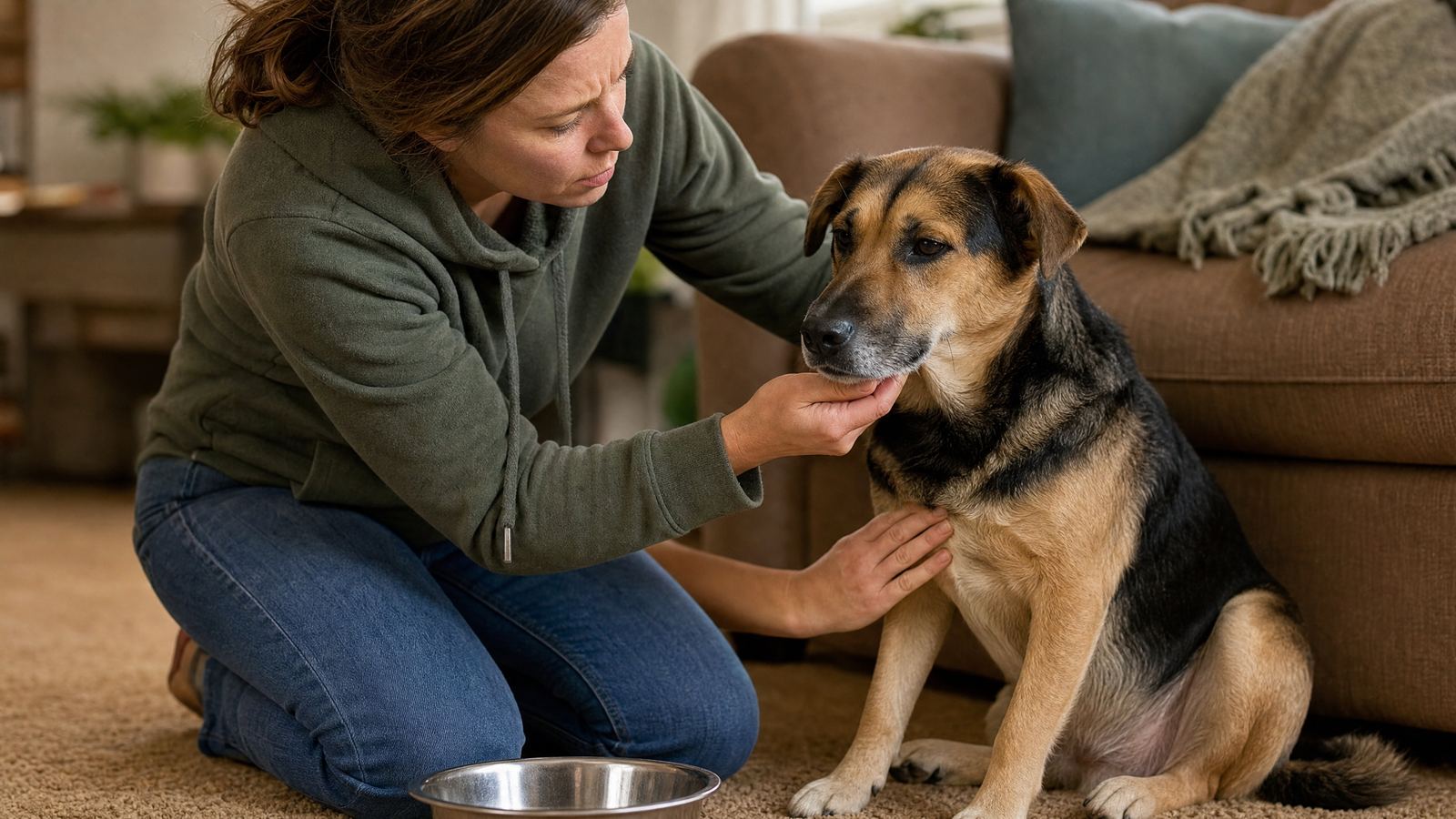
Adult dogs can safely go a day or two without food, but if your dog skips meals for more than 48 hours, veterinary attention is required.

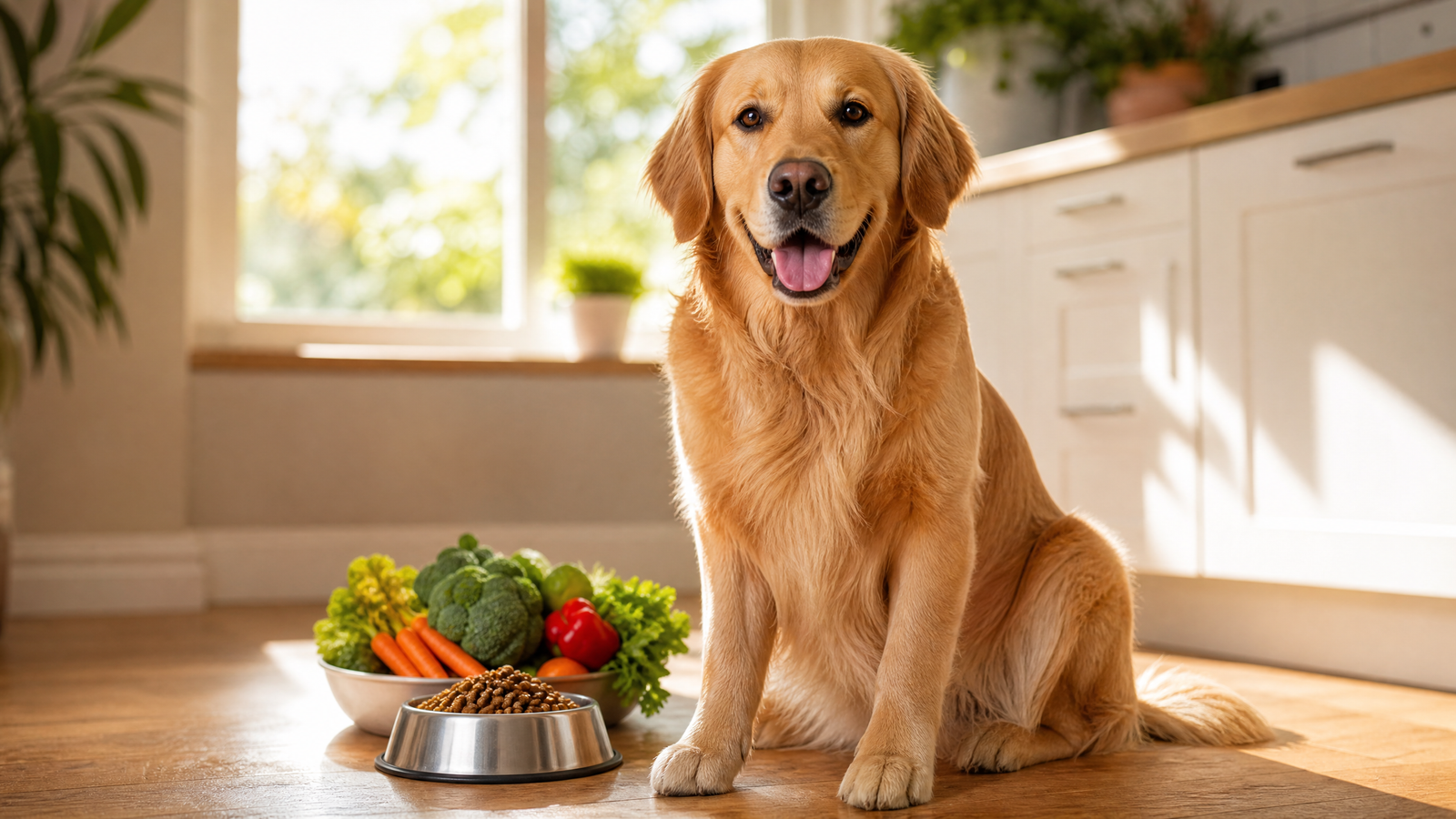
The most common signs of vitamin deficiency in dogs include a dull or dry coat, excessive shedding, lethargy, poor appetite, digestive issues, and muscle weakness. These symptoms often result from malabsorption or unbalanced diets. Addressing the underlying cause and adding a high-quality nutriti...

While you cannot completely stop a dog from shedding, you can significantly reduce excessive hair loss through proper nutrition. A diet rich in high-quality protein, Omega-3 and Omega-6 fatty acids, zinc, and biotin supports a healthy skin barrier and stronger hair follicles. Regular brushing and...

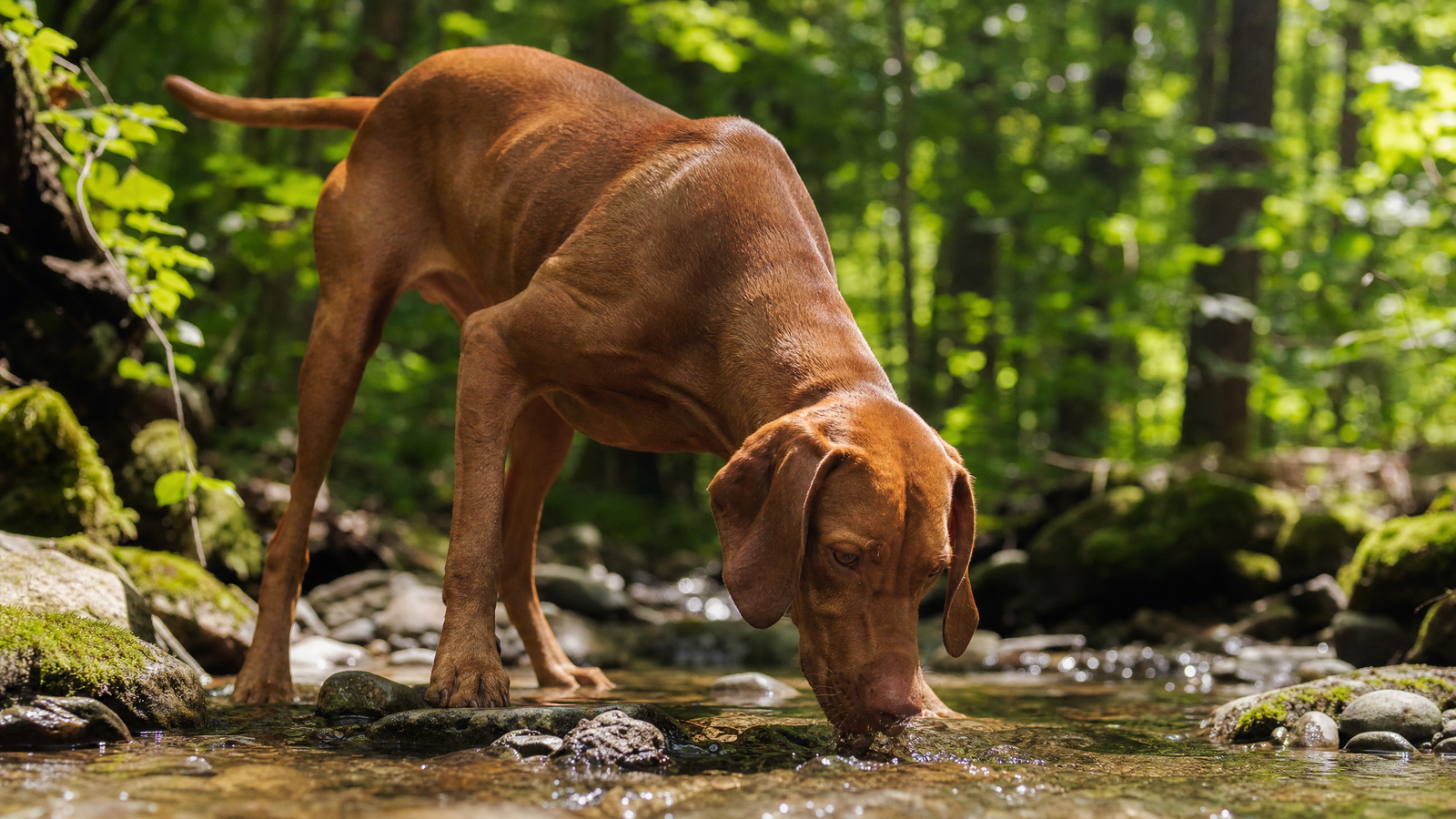
True hydration occurs at the cellular level and requires electrolytes, trace minerals, and proper osmotic balance. Without these, water may pass through the body without being effectively absorbed or retained by cells.

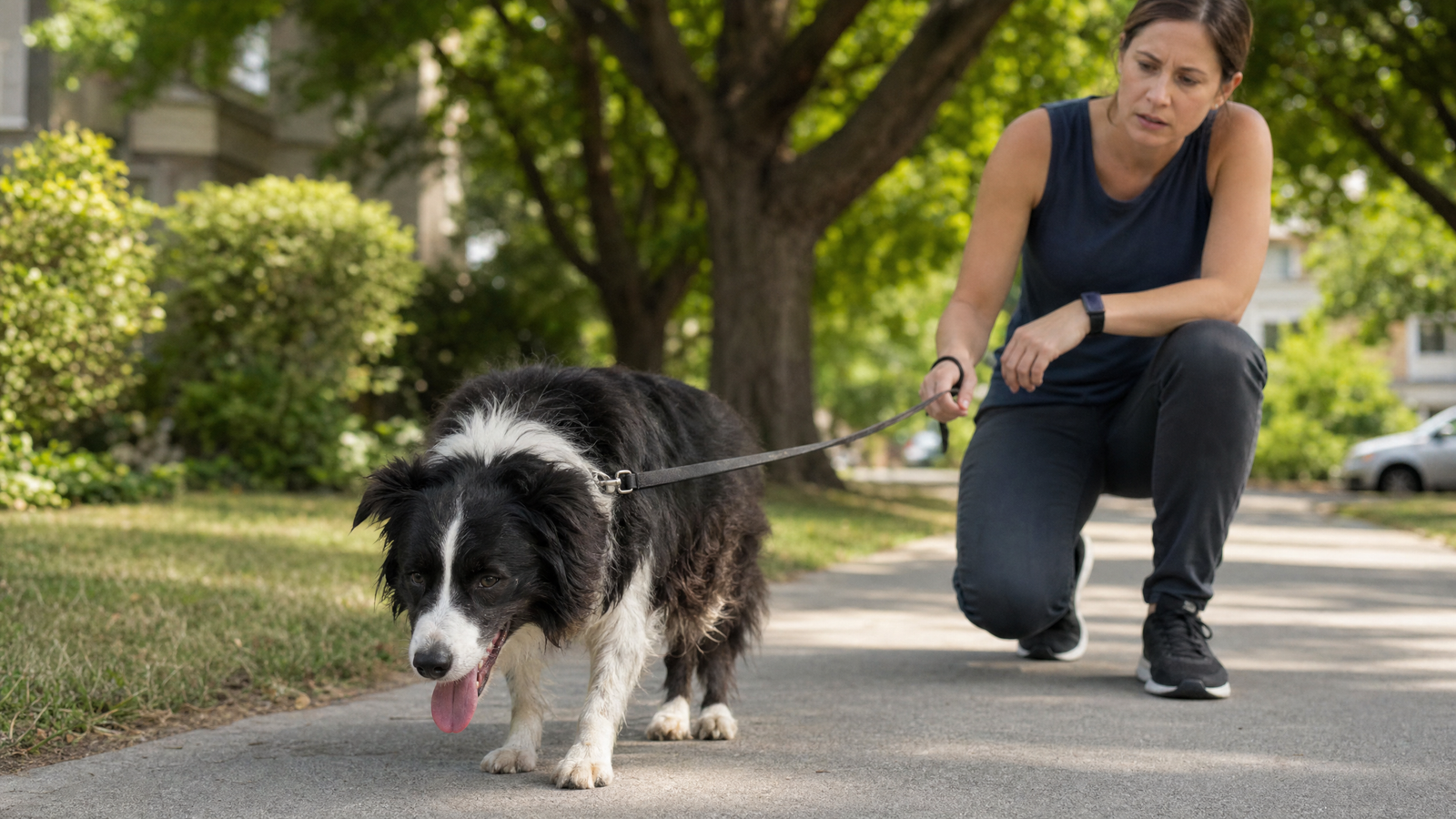
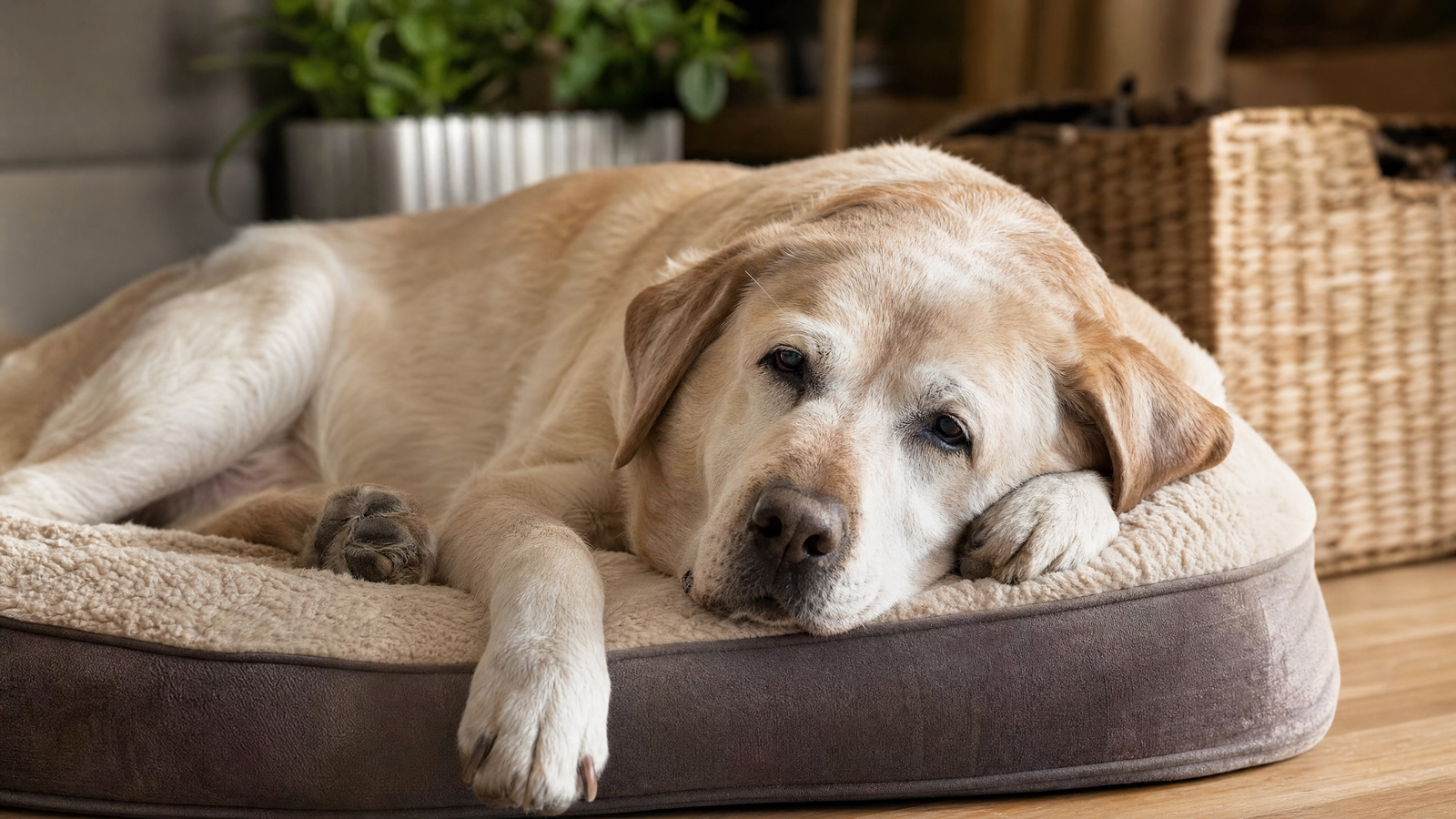
Many dogs begin losing vitality at 5, 6, or 7 years old, well before they should. This early decline is often driven by modern lifestyle factors, including chronic dehydration, rather than natural aging alone.

Many dogs that appear to be aging prematurely are actually chronically under-hydrated. The symptoms of dehydration closely mirror the symptoms of aging, making it easy to misattribute the cause.

From energy and digestion to joints, skin, kidneys, and immune resilience, poor hydration can quietly contribute to a wide range of health problems in dogs.

Low energy, dull coat, digestive discomfort, and lethargy are all common signs of dehydration in dogs. These symptoms are frequently mistaken for aging or sickness.
Have a Promo Code?
Enter your code below to receive your free trial.
Just pay shipping with your special offer.
Use code: FREETRIAL and pay only shipping