
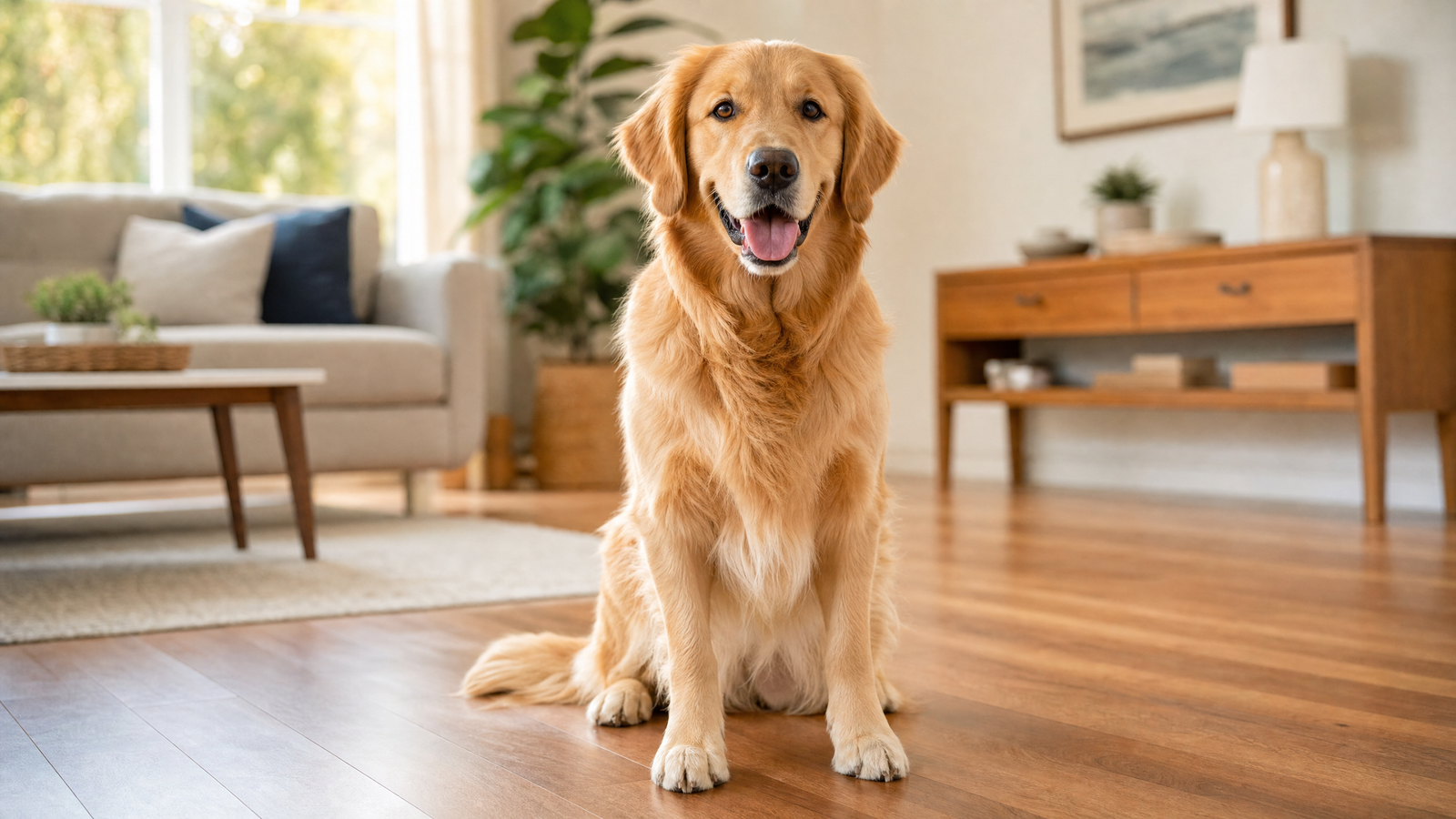

TL;DR: While you cannot completely stop a dog from shedding, you can significantly reduce excessive hair loss through proper nutrition. A diet rich in high-quality protein, Omega-3 and Omega-6 fatty acids, zinc, and biotin supports a healthy skin barrier and stronger hair follicles. Regular brushing and resolving underlying health issues are also critical for managing your dog's coat.
Key Takeaways
- Nutrition Drives Coat Health: A poor diet is the leading cause of excessive shedding. Up to 35 percent of a dog's daily protein intake goes directly to maintaining their skin and coat.
- Essential Fatty Acids Are Crucial: Omega 3 and Omega 6 fatty acids are mandatory for strong hair follicles and reducing the inflammation that causes hair loss.
- Vitamins and Minerals Matter: Zinc, biotin, and copper deficiencies frequently lead to dull coats, dry skin, and increased shedding.
- Grooming Habits Help: Brushing your dog one to two times per week with the correct tools removes dead hair before it falls out around your home.
Why Is My Dog Shedding So Much?
Every pet parent has experienced the frustration of finding dog hair on their clothes, furniture, and floors. While shedding is a completely natural process, many owners wonder if the amount of hair their dog loses is normal. The truth is that shedding patterns vary wildly based on breed, genetics, and environment.
According to veterinary experts, some breeds shed seasonally while others shed year round. Double coated breeds, such as Golden Retrievers, Siberian Huskies, and German Shepherds, experience peak shedding during the spring and fall. During the spring, they blow their heavy winter undercoat to prepare for warmer weather. In the fall, they shed their lighter summer coat to make way for thicker winter insulation.
However, dogs that spend the majority of their time indoors exposed to artificial lighting and climate control often shed continuously throughout the year. The consistent temperature and disruption of natural photoperiods confuse their biological shedding triggers.
While baseline shedding is unavoidable, excessive hair loss is often a warning sign. When a dog sheds more than their normal baseline, it is frequently an indicator that their body lacks the necessary building blocks to maintain healthy hair follicles.
The Role of Nutrition in Dog Shedding
The skin and coat form the largest organ system in a dog's body, accounting for 10 to 15 percent of their total body weight. Maintaining this massive organ requires an immense amount of energy and nutrients. In fact, veterinary nutritionists note that up to 35 percent of a dog's daily protein intake is utilized exclusively for skin and coat maintenance.
When a dog's diet lacks optimal nutrition, the body prioritizes vital internal organs over the skin and coat. The hair follicles become weak, brittle, and prone to falling out prematurely.
"The number one reason for excessive shedding in dogs is a poor diet," explains Dr. Roy Cruzen, DVM. Many commercial dog foods, even those that meet minimum regulatory standards, are heavily processed at high temperatures. This manufacturing process destroys delicate vitamins, minerals, and fatty acids. As a result, dogs eating exclusively dry kibble often suffer from subclinical nutritional deficiencies that manifest as dull coats, dry skin, and heavy shedding.
To truly address excessive shedding from the inside out, pet parents must look beyond the food bowl and consider adding a comprehensive nutritional supplement for dogs to fill the gaps left by commercial diets.
Key Nutrients to Stop Excessive Dog Shedding
If you want to know how to stop dog shedding from taking over your home, the answer lies in providing specific, targeted nutrients that fortify the skin barrier and anchor hair follicles securely.
Essential Fatty Acids (Omega 3 and Omega 6)
Fatty acids are the undisputed champions of coat health. Because a dog's body cannot manufacture these essential fats on its own, they must be supplied through the diet.
Linoleic acid, an Omega 6 fatty acid, is a critical component of cell membranes and provides flexibility and fluidity to the skin. A deficiency in linoleic acid quickly leads to scaly skin, loss of skin elasticity, and increased hair loss.
Omega 3 fatty acids, specifically EPA and DHA, offer powerful anti inflammatory properties. They soothe irritated skin and help protect the hair follicles from damage. Multiple veterinary studies have demonstrated that Omega 3 for dogs can significantly improve coat condition and reduce shedding.
High Quality Protein
Hair is composed almost entirely of keratin, a tough protein. If a dog does not receive adequate, highly digestible protein, their hair will grow slowly, lose its natural pigment, and become brittle. Weak hair breaks and sheds much faster than healthy, well nourished hair.
Zinc and Copper
Minerals play a foundational role in skin cell division and hair growth. The skin has an incredibly high cell turnover rate, making it highly dependent on zinc. A zinc deficiency causes hair loss, skin ulcers, and cracked footpads. Similarly, a lack of copper results in a washed out, dull coat with patchy hair loss.
Biotin and B Vitamins
Biotin, also known as Vitamin B7, is essential for fat metabolism and helps linoleic acid function properly within the epidermis. B complex vitamins work synergistically to support cellular energy production, which is necessary for the continuous growth of healthy hair.
| Nutrient | Primary Function for Coat Health | Signs of Deficiency |
|---|---|---|
| Omega 3 Fatty Acids | Reduces skin inflammation and protects follicles | Dry, itchy skin and brittle hair |
| Omega 6 (Linoleic Acid) | Maintains skin barrier and cellular hydration | Scaly skin, matting, and heavy shedding |
| Zinc | Supports rapid skin cell division and healing | Patchy hair loss and cracked skin |
| Biotin (Vitamin B7) | Aids in fat metabolism for skin health | Dull, lackluster coat and excessive shedding |
To ensure your dog receives these vital nutrients, consider adding a premium food topper to their daily meals. Ruff Greens VitaSmart is packed with live vitamins, minerals, Omega fatty acids, and digestive enzymes designed to bridge the nutritional gaps in commercial pet food. By providing the exact building blocks needed for a robust coat, VitaSmart helps reduce excessive shedding at the source.
Try the Ruff Greens Jumpstart Trial Today
How to Reduce Shedding Through Grooming
While proper nutrition builds a healthy coat from the inside, a consistent grooming routine manages the hair on the outside. Grooming does not stop shedding, but it dictates where the dead hair ends up in the trash can rather than on your sofa.
For maximum effectiveness, establish a regular brushing schedule based on your dog's coat type. Dogs with short coats, such as Pugs or Beagles, benefit from a natural bristle brush or a rubber grooming glove used a few times a week. Brush against the direction of hair growth to loosen dead hair, then brush with the grain to remove it and distribute natural skin oils.
Long coated and double coated breeds require more specialized tools. A slicker brush is excellent for reaching through the outer coat to grab the downy undercoat. During peak shedding seasons, a dedicated deshedding tool or coat rake can safely pull out massive amounts of dead undercoat.
Bathing also helps loosen dead hair, but be cautious not to overdo it. Frequent bathing strips the skin of its natural oils, leading to dryness and actually increasing shedding. Always use a gentle, dog specific shampoo, as human products are too harsh for a dog's pH balance.
If you struggle to keep up with your dog's coat maintenance, scheduling an appointment with a professional groomer every four to six weeks can drastically reduce the amount of hair floating around your home.
When Excessive Shedding Means a Trip to the Vet
While nutrition and grooming resolve the vast majority of shedding complaints, sudden or extreme hair loss warrants veterinary attention.
You should consult your veterinarian if you notice your dog shedding heavily alongside any of the following symptoms:
- Intense itching, scratching, or biting at the skin
- Bald spots or patchy hair loss
- Redness, scabs, or open sores on the skin
- Changes in behavior, lethargy, or unexplained weight gain
- Increased thirst and urination
These symptoms can point to underlying medical conditions such as thyroid disease, Cushing's disease, fungal infections like ringworm, or parasitic infestations. Additionally, severe dog food allergies can cause intense inflammation that leads to total hair loss in affected areas. A veterinarian can perform diagnostic tests to identify and treat these root causes.
Frequently Asked Questions
1. Can changing my dog's food stop them from shedding? While you cannot completely stop a healthy dog from shedding, upgrading their diet can significantly reduce excessive hair loss. Providing high quality proteins, Omega fatty acids, and essential vitamins strengthens the hair follicles and prevents premature breakage and shedding.
2. Does fish oil help with dog shedding? Yes, fish oil is an excellent source of Omega 3 fatty acids, which reduce skin inflammation and promote a shiny, resilient coat. Adding a high quality supplement to your dog's diet can improve skin hydration and decrease the amount of dead hair they drop.
3. Why is my short haired dog shedding so much? Short haired dogs actually have denser coats than many long haired breeds, meaning they have more individual hairs to shed. If the shedding seems excessive, it is often due to a lack of essential nutrients in their diet, environmental stress, or an underlying skin condition.

