
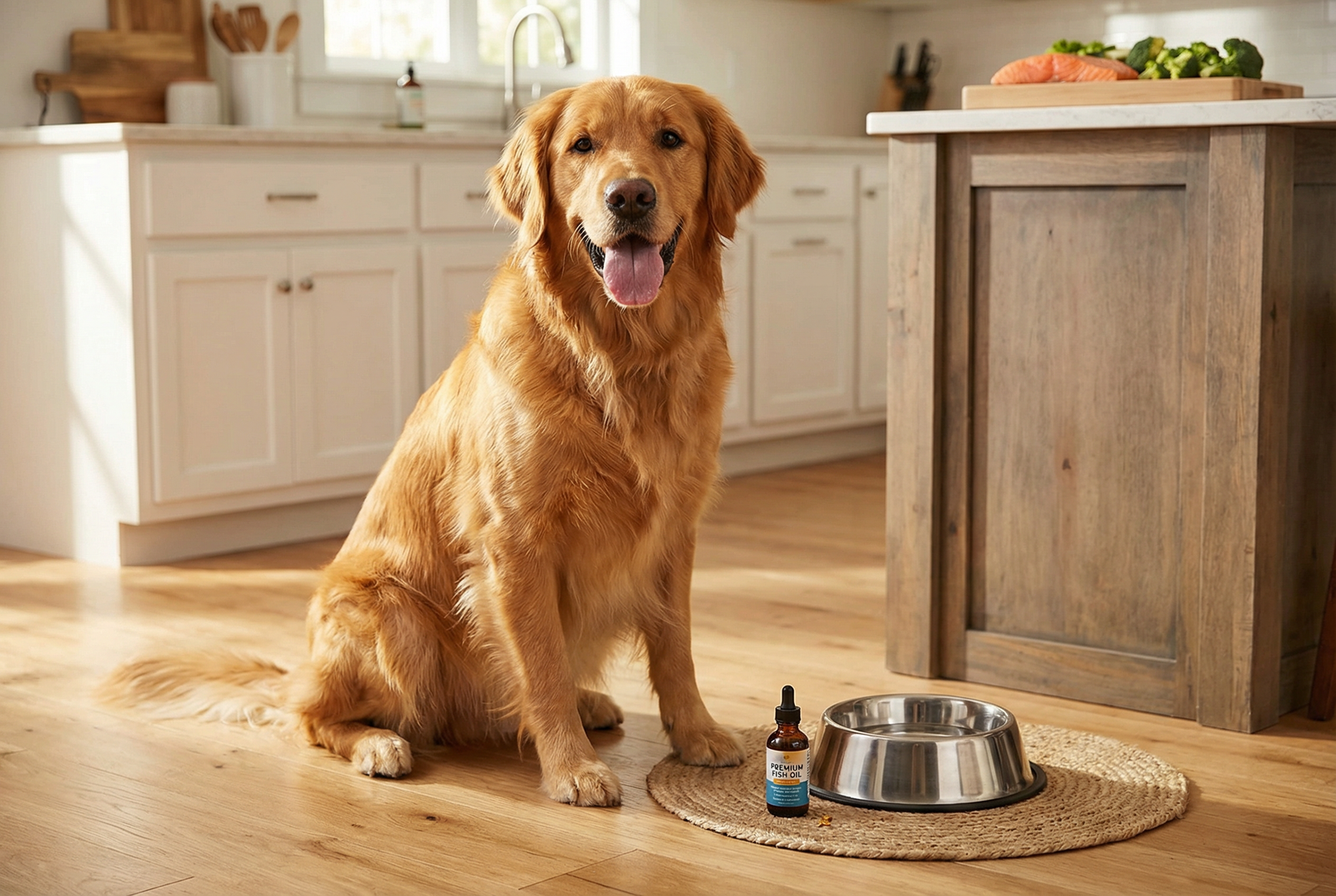

Omega-3 fatty acids, particularly EPA and DHA found in fish oil, are essential for dogs. They provide powerful anti-inflammatory benefits that support your dog’s skin and coat, joint mobility, heart health, and cognitive function. Since dogs can't produce these fats on their own, supplementation is often necessary to ensure they receive an adequate amount for optimal health.
Key Takeaways
-
Essential Fats for Optimal Health
Dogs cannot produce their own EPA and DHA so they need it from their diet. Supplementing with fish oil provides powerful anti inflammatory benefits for their skin and joints.
-
Soothes Skin and Improves Mobility
Omega 3s are proven to reduce itching and flakiness from skin allergies while promoting a glossy coat. They also significantly decrease joint inflammation to help arthritic dogs move more comfortably.
-
Choose High Quality Fish Oil
Look for third party tested fish oil from reputable brands to avoid heavy metals and contaminants. Fish oil provides direct EPA and DHA unlike flaxseed oil which dogs struggle to convert.
-
Consult Your Vet for Dosage
The right amount of omega 3 depends on your dog's weight and specific health conditions. Always talk to your veterinarian to find the safest and most effective dose for your furry friend.
What Are Omega-3 Fatty Acids and Why Do Dogs Need Them?
Omega-3 fatty acids are a type of polyunsaturated fat that are essential for your dog's health. The three most important types are alpha-linolenic acid (ALA), eicosapentaenoic acid (EPA), and docosahexaenoic acid (DHA). While ALA is found in plant oils like flaxseed, EPA and DHA are primarily found in cold-water fish and are the most potent forms for your dog. [1]
Dogs, like humans, cannot produce these essential fats in sufficient quantities on their own. Therefore, they must be obtained through their diet. Many commercial dog foods are high in omega-6 fatty acids, which are also essential but can be pro-inflammatory at high levels. A proper balance of omega-6 to omega-3 is crucial for controlling inflammation and maintaining overall health. Supplementing with omega-3s helps restore this critical balance.
The Science-Backed Benefits of Omega-3 for Dogs
Veterinarians and researchers have extensively studied the effects of omega-3s in dogs, with numerous studies confirming their wide-ranging benefits. These fatty acids are powerful anti-inflammatory agents, making them a valuable tool in managing various health conditions.
1. Supports Healthy Skin and Coat
One of the most common reasons pet parents turn to omega-3s is to improve their dog's skin and coat. The anti-inflammatory properties of EPA and DHA can significantly reduce the itching and flakiness associated with skin allergies (atopy) and dermatitis. [2] By decreasing the production of inflammatory cytokines, fish oil helps soothe irritated skin from the inside out, leading to a glossier, healthier coat.
2. Improves Joint Health and Mobility
For dogs suffering from arthritis, omega-3s can be a game-changer. A 2021 double-blind clinical trial found that fish oil supplementation significantly improved objective measures of pain, lameness, and joint disease in dogs with osteoarthritis. [3] By reducing joint inflammation, omega-3s can help improve your dog's comfort, mobility, and overall quality of life. Cornell University veterinarians even state that using fish oil may help reduce the necessary dose of NSAIDs for pain relief. [4]
3. Boosts Heart and Kidney Function
Omega-3s play a vital role in cardiovascular health. They have been found to reduce the heart's vulnerability to developing an irregular rhythm (atrial fibrillation) and may act as a natural anticoagulant to prevent blood clots in dogs with heart disease. [5] For dogs with kidney issues, fish oil can help lower elevated blood pressure and decrease protein loss in the urine, slowing the progression of chronic kidney disease. [2]
4. Enhances Brain Development and Cognitive Function
The benefits of omega-3s start at a young age. DHA is a critical component for brain and eye development in puppies. A 2012 study showed that puppies supplemented with DHA had an increased ability to learn and retain skills. [5] In senior dogs, omega-3s can help combat canine cognitive dysfunction, improving their recognition of family members and overall alertness.
How Much Omega-3 Does My Dog Need? (Dosage Guide)
Determining the correct dosage of omega-3s is crucial for both safety and effectiveness. The recommended dose can vary significantly based on your dog's weight, age, and the specific health condition being addressed.
Always consult your veterinarian before starting any new supplement. They can provide a dosage recommendation tailored to your dog's individual needs.
As a general guideline, veterinary sources provide the following recommendations:
| Condition | Recommended EPA + DHA Dosage |
|---|---|
| General Health | 20-55 mg per pound of body weight, daily |
| Arthritis & Inflammation | 50-220 mg/kg of body weight, daily (higher end of range) [6] |
| Osteoarthritis (Max Dose) | 310 mg/kg^0.75 of EPA/DHA per day [7] |
For example, a 50-pound dog might receive a daily dose of 1,000-2,750 mg for general health, while a therapeutic dose for arthritis could be much higher. It is essential to read the product label carefully, as concentrations of EPA and DHA vary widely between supplements.
Choosing the Best Omega-3 Supplement for Your Dog
When selecting an omega-3 supplement, quality matters. Here’s a comparison of common sources:
| Source | Pros | Cons |
|---|---|---|
| Fish Oil (Salmon, Sardine, Anchovy) | High in bioavailable EPA & DHA, extensive research backing. | Can go rancid, potential for heavy metal contamination, fishy odor. |
| Flaxseed Oil | Good source of ALA, no fishy smell. | Dogs are inefficient at converting ALA to EPA & DHA, making it less potent. |
| Algal Oil | Excellent source of EPA & DHA, sustainable, no fishy smell. | Can be more expensive than fish oil. |
For most dogs, a high-quality fish oil from a reputable manufacturer is the best choice. Look for products that are third-party tested for purity and potency to ensure they are free from heavy metals and other contaminants. Storing the oil in a dark, refrigerated container will prevent it from going rancid.
Are There Any Side Effects of Omega-3 for Dogs?
Fish oil is generally very safe for dogs, but side effects can occur, especially at high doses. The most common side effects are gastrointestinal, including diarrhea and vomiting. [2] To minimize this risk, start with a lower dose and gradually increase it over several days.
Other potential side effects include:
- A fishy odor on the breath or skin
- Weight gain (as oil is high in calories)
- Delayed wound healing
- An oily coat
At very high doses, fish oil can interfere with blood clotting. Use it with caution in dogs with bleeding disorders or those taking anticoagulant medications. [2]
Ruff Greens & Omega-3s: A Powerful Combination
While a dedicated omega-3 supplement is the best way to achieve a therapeutic dose, providing a foundation of excellent nutrition is equally important. Ruff Greens provides a comprehensive blend of vitamins, minerals, probiotics, and digestive enzymes to support your dog's overall health. While Ruff Greens contains some omega-3s from ingredients like flaxseed, adding a high-quality fish or algal oil can provide the targeted, high-potency dose of EPA and DHA needed to manage inflammatory conditions like arthritis and skin allergies. Combining the broad-spectrum nutritional support of Ruff Greens with a targeted omega-3 supplement like VitaSmart creates a powerful synergy for your dog's health and vitality.

Ruff Greens™ VitaSmart
A premium nutritional food topper rich in omega fatty acids, vitamins, and minerals that support healthy skin, a shiny coat, and relief from seasonal irritation.
For another nutrition based option often discussed alongside fatty acids, see our guide to quercetin for dogs and allergy support.
Frequently Asked Questions
1. Can I give my dog human fish oil? It is not recommended. Human supplements are dosed for humans and may contain ingredients like xylitol that are toxic to dogs. Always use a product specifically formulated for canines to ensure safety and proper dosage. [5]
2. How long does it take for omega-3 supplements to work? While some benefits may be seen sooner, it can take several weeks to a few months of consistent supplementation to see the full anti-inflammatory effects, especially for chronic conditions like arthritis or skin allergies. [2]
3. Is fish oil the only source of omega-3 for dogs? No, but it is the most direct source of EPA and DHA. Other sources like flaxseed oil provide ALA, which the dog's body must convert to EPA and DHA, a process that is not very efficient. Algal oil is another excellent, direct source of EPA and DHA.
Related Articles
- Best Dog Supplement for Itchy Skin & Allergies
- Best Joint Supplements for Dogs
- What Supplements Should I Add to My Dog's Food?
Ready to give your dog the nutritional foundation they deserve? Try Ruff Greens VitaSmart — packed with vitamins, minerals, probiotics, and digestive enzymes to complement your dog's omega-3 supplementation. Get your Jumpstart Trial Bag today!

