
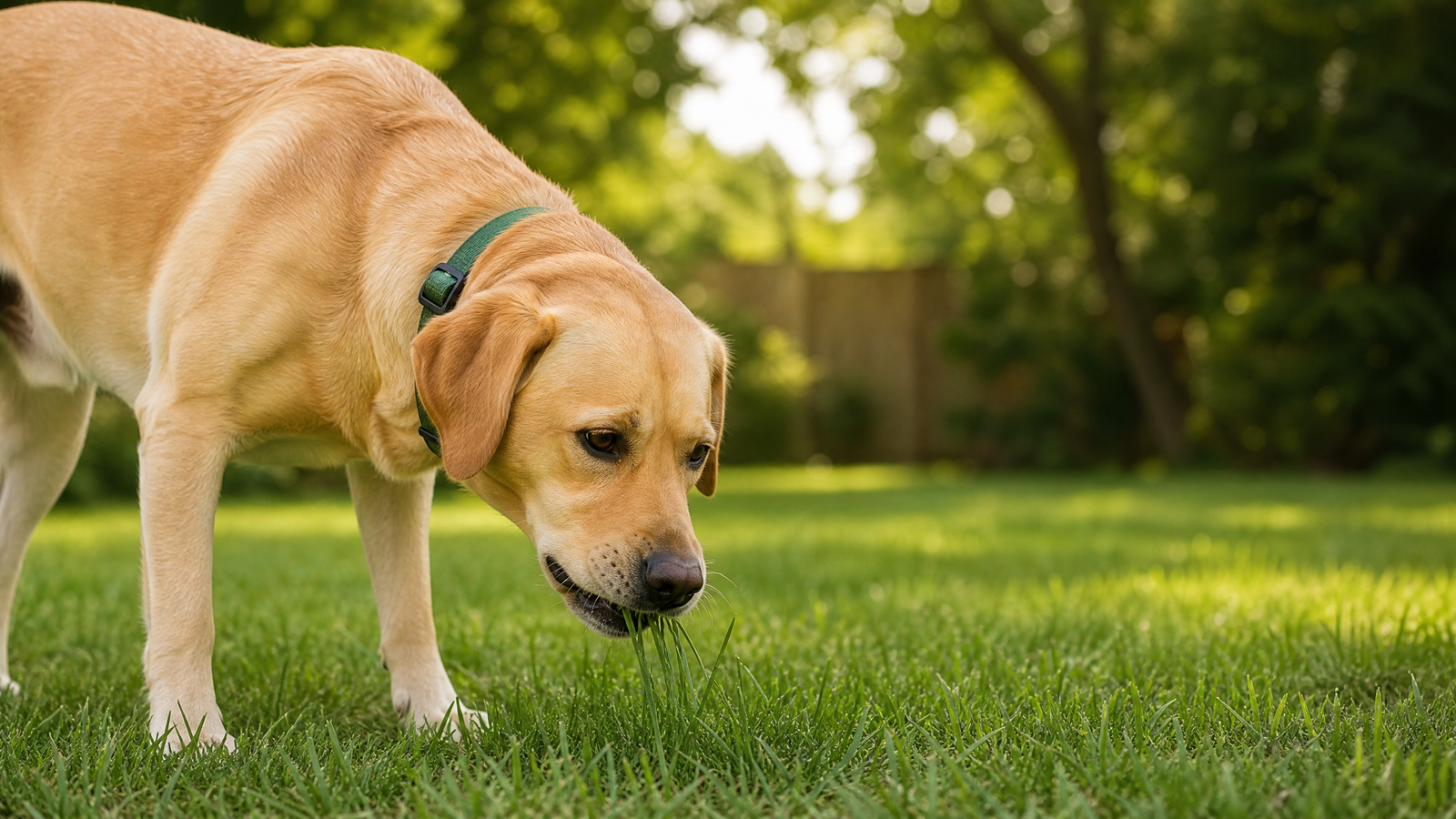

TL;DR: Most dogs eat grass occasionally, and it is usually a normal behavior. While many owners assume dogs graze to induce vomiting, research shows less than 25 percent of dogs actually throw up afterward. Common reasons include normal scavenging instincts, boredom, curiosity, and a potential need for dietary fiber.
Key Takeaways
-
Grazing Is Usually Normal
Grass eating is a very common behavior that is often harmless when done occasionally.
-
It Rarely Causes Vomiting
Despite popular belief, less than a quarter of dogs actually vomit after eating grass.
-
Fiber Can Play A Role
Some dogs may seek out grass to add roughage to their diet and support healthy digestion.
-
Watch For Hidden Dangers
Treated lawns can expose dogs to toxic pesticides, herbicides, and intestinal parasites.
-
Know When To Call The Vet
Persistent grazing accompanied by lethargy, diarrhea, or a loss of appetite requires veterinary attention.
Is It Normal For Dogs To Eat Grass?
Yes, it is entirely normal for dogs to eat grass. Veterinary studies have shown that nearly 80 percent of dogs with daily access to plants will graze on grass at some point.[1] For the vast majority of these dogs, occasional grazing is a harmless habit that does not indicate an underlying health crisis.
Many pet parents worry that grazing means their dog is sick or lacking essential nutrients. However, research indicates that most dogs are not visibly ill before they start chewing on the lawn. In fact, a major behavior study found that only 9 percent of dogs frequently appeared unwell before eating plants.[1] While you should always monitor what your dog ingests, you generally do not need to panic if they take a few bites of clean, untreated grass.

Why Do Dogs Eat Grass? 6 Common Reasons
Dogs eat grass for a variety of reasons, ranging from natural instincts to a simple desire for attention. Because every dog is unique, there is no single explanation that fits every situation. Here are the most common reasons your dog might be grazing.
1. Natural Scavenging Instincts
Dogs are natural scavengers. Their wild ancestors did not eat processed kibble from a bag; they hunted and consumed entire prey animals, including the plant matter inside the prey's stomach. While modern dogs enjoy the comforts of home, they still retain the instinct to scavenge and explore their environment with their mouths. Eating grass may simply be a behavior passed down through generations.
2. A Need For Dietary Fiber
Grass contains cellulose, a form of dietary fiber or roughage. Some dogs may instinctively seek out grass if they need more fiber to help digest their food and pass stool smoothly. While a balanced commercial diet should provide adequate nutrition, some dogs may still crave the extra roughage. If your dog frequently struggles with bathroom habits, it may be helpful to read our guide on dog constipation treatment.
3. Boredom And Lack Of Stimulation
A bored dog will find ways to entertain itself, and grazing on the lawn is an easy distraction. Dogs that spend long periods alone in the yard without adequate mental or physical stimulation may turn to eating grass simply to pass the time. Providing more exercise and interactive toys can often resolve boredom induced grazing.
4. Anxiety Or Stress
Just as nervous humans might bite their nails, anxious dogs may engage in repetitive behaviors to soothe themselves. Eating grass can serve as a comfort mechanism for dogs experiencing stress, separation anxiety, or changes in their routine. If the grazing increases when you leave the house, anxiety could be the underlying cause.
5. Seeking Attention
Dogs quickly learn which behaviors get a reaction from their owners. If you rush over and interact with your dog every time they start eating grass, they may learn to use the behavior as a tool to get your attention. Even negative attention, such as a scolding, is sometimes better than being ignored in the eyes of a lonely dog.
6. They Simply Like The Taste
Sometimes the simplest explanation is the correct one. Many dogs genuinely enjoy the taste and texture of grass, especially in the spring when new growth is fresh, sweet, and tender. If your dog is healthy, happy, and only grazes occasionally, they might just be enjoying a natural salad.
Do Dogs Eat Grass To Make Themselves Vomit?
The idea that dogs eat grass specifically to induce vomiting is one of the most common misconceptions in pet care. While it is true that some dogs vomit after grazing, research shows this is the exception rather than the rule. In a large veterinary behavior study, less than 25 percent of dogs were reported to vomit after eating grass.[1]
Most dogs do not use grass as a form of self medication to clear an upset stomach. When vomiting does occur, it is often because the coarse texture of the unchewed grass tickles the dog's throat and stomach lining, triggering a physical reflex rather than a deliberate medical strategy. If your dog frequently vomits after eating grass or shows other signs of gastrointestinal distress, it is important to investigate the root cause. You can learn more about managing digestive issues in our guide on dog upset stomach causes and remedies.

Is Eating Grass Safe For Dogs?
While the grass itself is generally not toxic to dogs, the environment where the grass grows can present significant safety hazards. Before you allow your dog to graze, you must consider what else might be hiding in the lawn.
Pesticides And Herbicides
The most immediate danger comes from lawn care chemicals. Pesticides, herbicides, and fertilizers sprayed on grass can be highly toxic to dogs.[2] Ingesting treated grass can lead to chemical poisoning, which requires emergency veterinary care. Always ensure your own lawn is free of toxic chemicals, and never let your dog eat grass in public parks or unfamiliar areas where treatment history is unknown.
Intestinal Parasites
When a dog plucks grass from the ground, they may also ingest microscopic hazards left behind by other animals. Fecal residue from infected dogs or wildlife can contaminate the grass with intestinal parasites, such as hookworms and roundworms.[3] Maintaining a consistent, year round parasite prevention protocol is essential if your dog is a frequent grazer.
Toxic Houseplants And Weeds
While normal lawn grass is generally safe, many common weeds and ornamental plants are highly toxic to dogs. If your dog is an enthusiastic grazer, they may accidentally ingest a dangerous plant mixed in with the grass. Always supervise your dog outdoors and familiarize yourself with the toxic plants native to your area.
| Hazard Type | Primary Risk | Prevention Strategy |
|---|---|---|
| Lawn Chemicals | Toxicity and poisoning | Avoid treated lawns and public parks |
| Intestinal Parasites | Worm infections | Maintain monthly parasite preventatives |
| Toxic Plants | Organ damage or severe illness | Supervise grazing and remove toxic weeds |
How To Stop Your Dog From Eating Grass
If your dog's grass eating habit is becoming excessive or you are concerned about lawn chemicals, there are several effective strategies to curb the behavior.
First, ensure your dog is receiving adequate physical exercise and mental stimulation. A tired dog is less likely to engage in boredom driven grazing. Increase the length of their daily walks, introduce new training games, and provide interactive puzzle toys to keep their mind occupied.
When you are outdoors, use positive reinforcement to redirect their attention. If your dog leans down to take a bite of grass, calmly ask them to perform a trick or use a "leave it" command. When they comply and look away from the grass, immediately reward them with a high value treat or praise. Over time, they will learn that focusing on you is more rewarding than eating the lawn.
Finally, evaluate your dog's overall diet and digestive health. While grass eating is usually harmless, persistent grazing can sometimes point to a need for better nutritional support. Adding a premium nutritional food topper like Ruff Greens VitaSmart can provide convenient daily nutritional support alongside an appropriate diet. For more information on gut health, review our guide on probiotics for dogs.

Ruff Greens™ VitaSmart
Consistent, complete nutrition supports everyday digestive health. Ruff Greens VitaSmart adds whole food nutrition, probiotics, enzymes, and omega oils to your dog's current food. It is nutritional support, not a treatment for persistent vomiting, parasites, or digestive disease.

When To Worry And See A Veterinarian
Occasional grass eating in a healthy, energetic dog is rarely a cause for concern. However, if the grazing behavior suddenly increases in frequency or becomes frantic, it may be a sign of an underlying medical issue.
You should contact your veterinarian immediately if your dog's grass eating is accompanied by any of the following warning signs:
- Repeated vomiting or unproductive retching
- Severe diarrhea or blood in the stool
- A swollen, hard, or painful abdomen
- Significant lethargy or weakness
- A sudden decrease in appetite or weight loss
- Excessive drooling or signs of dehydration
These symptoms can indicate serious conditions such as gastric reflux, inflammatory bowel disease, pancreatitis, or a dangerous intestinal blockage.[2] If your dog exhibits a swollen abdomen and tries to vomit without producing anything, treat it as a medical emergency and seek urgent veterinary care.
Frequently Asked Questions
1. Does eating grass mean my dog is sick?
No, eating grass does not automatically mean your dog is sick. Studies show that the vast majority of dogs who eat grass are completely healthy and do not show any signs of illness before or after grazing. It is a common and usually normal canine behavior.
2. Should I stop my dog from eating grass?
You only need to stop your dog if the grass has been treated with pesticides or herbicides, if it is in an area heavily trafficked by other animals carrying parasites, or if the behavior becomes frantic and obsessive. Otherwise, occasional grazing on clean grass is generally safe.
3. Does my dog eat grass because they lack vitamins?
While some dogs may seek out grass for extra dietary fiber, a dog on a complete and balanced commercial diet is unlikely to have a severe vitamin deficiency. If you are concerned about their digestion, consult your vet and consider a high quality nutritional food topper to support their gut health.

