
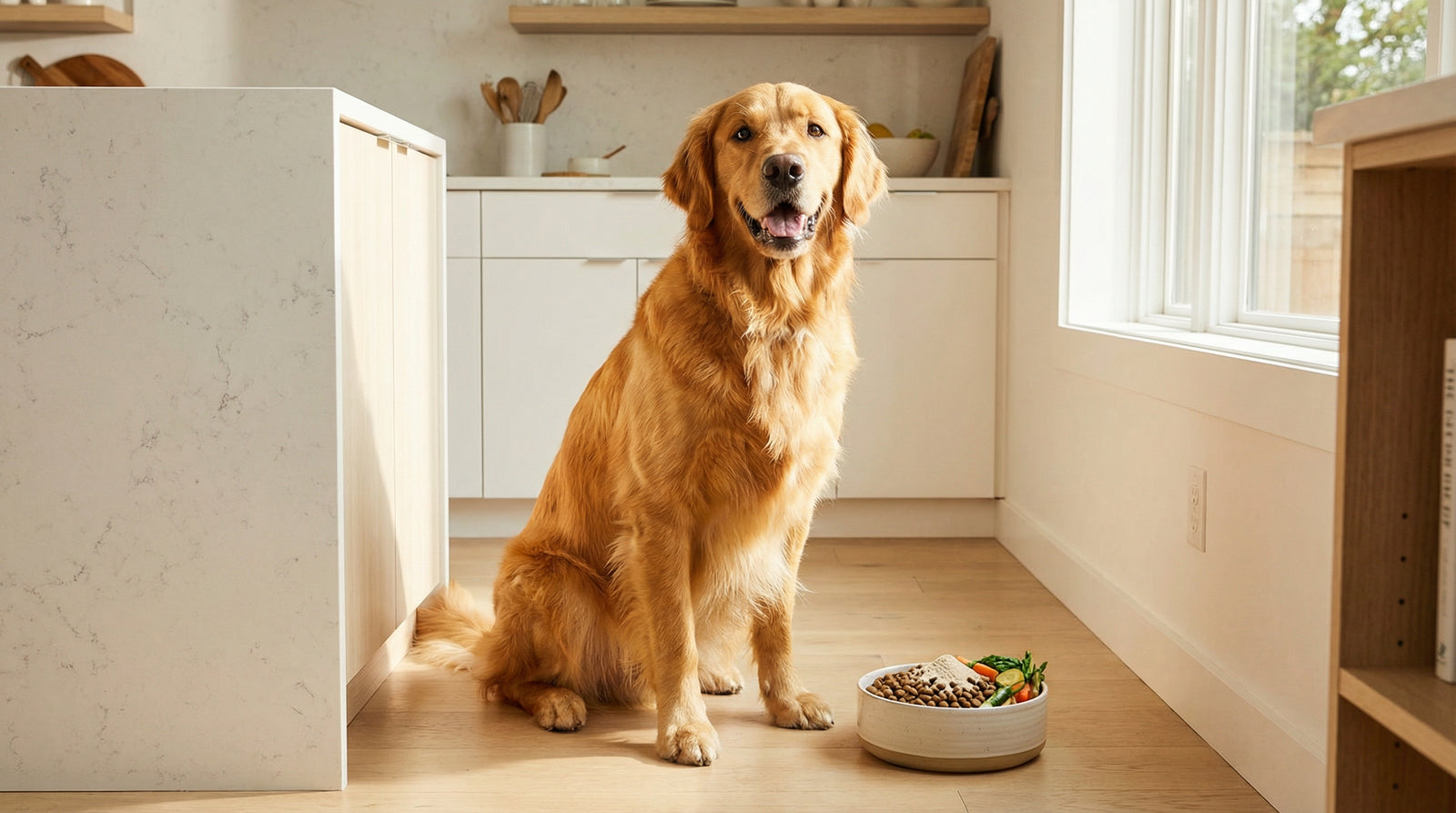

Probiotics for dogs are beneficial live microorganisms that support a healthy gut, aid digestion, and boost the immune system. They are especially useful for dogs with digestive issues, those under stress, or dogs taking antibiotics, and can be found in supplements, powders, and some dog foods.
Key Takeaways
-
Boosts Digestion and Immunity
Probiotics are live microorganisms that help maintain a healthy gut microbiome. Since a large portion of a dog's immune system lives in their gut, these helpful bacteria improve digestion and strengthen their natural defenses against illness.
-
Essential After Antibiotics
Antibiotics wipe out both good and bad bacteria in your dog's system. Giving them a probiotic supplement helps quickly restore their gut balance and prevents digestive upset.
-
Look for Multi Strain Formulas
The most effective probiotics contain multiple strains of beneficial bacteria rather than just one. This variety ensures your dog gets a wider range of health benefits for their overall wellbeing.
-
Choose Canine Specific Products
Dogs have a completely different gut microbiome than humans do. You should always choose a probiotic specifically formulated for dogs to ensure they get the right strains for their unique needs.
What Are Probiotics for Dogs?
Probiotics are beneficial or “friendly” live microorganisms (bacteria and yeasts) that reside in your dog's gastrointestinal (GI) tract. Often called the "gut microbiome," this complex ecosystem of trillions of microbes plays a critical role in nearly every aspect of your dog's health. According to the American Kennel Club, probiotics help maintain a "desirable intestinal microbial balance" [1].
Think of your dog's gut as a bustling city. The probiotics are the helpful citizens—they aid in digestion, fight off potential pathogens, produce essential vitamins and nutrients, and support a robust immune system. In fact, an estimated 70-80% of your dog's immune system is located in their gut.
What Are the Benefits of Probiotics for Dogs?
Supporting a healthy gut microbiome with probiotics can have a wide range of benefits for your dog, from improving digestion to boosting their mood.
| Benefit | Description |
|---|---|
| Improved Digestive Health | Helps manage diarrhea, gas, bloating, and cramping by restoring balance to the gut. Especially useful after a course of antibiotics. |
| Boosted Immune System | With the majority of the immune system in the gut, a healthy microbiome helps your dog fight off pathogens and reduce the frequency of illness. |
| Reduced Allergies | Some studies suggest probiotics can help modulate the immune response and may reduce the severity of skin allergies and itching. |
| Better Nutrient Absorption | A healthy gut can more efficiently break down food and absorb essential vitamins and minerals, leading to better overall health. |
| Improved Mood & Behavior | The gut-brain axis is a powerful connection. A balanced gut can help reduce stress and anxiety-related behaviors in some dogs. |
When Does My Dog Need Probiotics?
While many healthy dogs can benefit from a daily probiotic, there are specific situations where they are particularly recommended by veterinarians.
Consider giving your dog a probiotic if they experience:
- Diarrhea or Loose Stools: Probiotics are highly effective at managing acute diarrhea caused by stress, diet changes, or illness.
- After Antibiotics: Antibiotics kill both good and bad bacteria. Supplementing with probiotics during and after a course of antibiotics can help restore the gut microbiome quickly.
- Stressful Events: Boarding, travel, vet visits, or changes in the home can cause stress-induced colitis. Probiotics can help prevent or mitigate these issues.
- Chronic GI Issues: For dogs with sensitive stomachs, IBD, or chronic gas, a daily probiotic can provide long-term support.
- Allergies & Skin Issues: If your dog suffers from constant itching, hot spots, or ear infections, supporting their gut health may provide relief.
- Poor Diet: Dogs eating a diet of highly processed kibble may lack the diverse nutrients needed for a healthy gut.
What Are the Best Probiotic Strains for Dogs?
Not all probiotics are created equal. It's essential to choose a product with strains that are proven to be beneficial for canines. Look for a multi-strain formula that includes some of the following well-researched bacteria:
- Enterococcus faecium: One of the most studied strains for dogs, known for its ability to help with diarrhea.
- Lactobacillus acidophilus: Supports overall digestive health and helps inhibit the growth of harmful bacteria.
- Lactobacillus casei: Works with other strains to support immunity and manage diarrhea.
- Lactobacillus plantarum: Can help reduce inflammation and support a healthy gut lining.
- Bifidobacterium bifidum: One of the most common bacteria found in a healthy canine gut, important for overall balance.
- Bifidobacterium animalis: Helps support the immune system and manage digestive upset.
How to Choose the Best Probiotic for Your Dog
With so many products on the market, choosing the right one can be overwhelming. Here’s what to look for:
- Multi-Strain Formula: A variety of strains provides a wider range of benefits than a single-strain product.
- High CFU Count: CFU stands for Colony-Forming Units. Look for a product with at least 1-5 billion CFUs per serving to ensure enough live bacteria reach the gut.
- Includes Prebiotics (Synbiotic): Prebiotics are a type of fiber that acts as food for probiotics. A product containing both is called a synbiotic and is more effective.
- Powder Form: Powders are easy to mix into your dog's food and are often more stable than chews, which can lose potency during manufacturing.
- Veterinarian Formulated: Choose products from reputable companies that are formulated by veterinarians or animal nutritionists.
Ruff Greens VitaSmart is an excellent example of a comprehensive nutritional supplement that includes a powerful blend of four live probiotic strains, digestive enzymes, and essential vitamins, all in an easy-to-use powder that supports your dog's total body health.
Ready to give your dog the nutrition they deserve? Try Ruff Greens VitaSmart — a complete nutritional supplement with probiotics, vitamins, minerals, omega fatty acids, digestive enzymes, and antioxidants.
Related Articles
- How Probiotics Support Gut Health And Immunity
- Digestive Enzymes For Dogs
- Our Fortiflora Review And Natural Alternatives

Ruff Greens™ VitaSmart
A premium nutritional food topper loaded with probiotics, digestive enzymes, and prebiotics that support healthy digestion, nutrient absorption, and gut balance in dogs.
Frequently Asked Questions
1. Can I give my dog human probiotics? While not necessarily harmful, it's not recommended. Dogs have a different gut microbiome than humans, so a canine-specific probiotic with the right strains will be far more effective.
2. How long does it take for probiotics to work? For acute issues like diarrhea, you may see improvement within a few days. For chronic conditions like allergies or immune support, it can take 4-6 weeks of consistent use to see the full benefits as the gut microbiome rebalances.
3. Are there any side effects of probiotics for dogs? Side effects are rare and usually mild, such as temporary gas or bloating when first starting. To avoid this, start with a half dose for the first few days. According to Cornell University's College of Veterinary Medicine, probiotics should be used with caution in severely immunocompromised dogs [2].
Sources: AKC on probiotics for dogs, VCA on probiotics

