
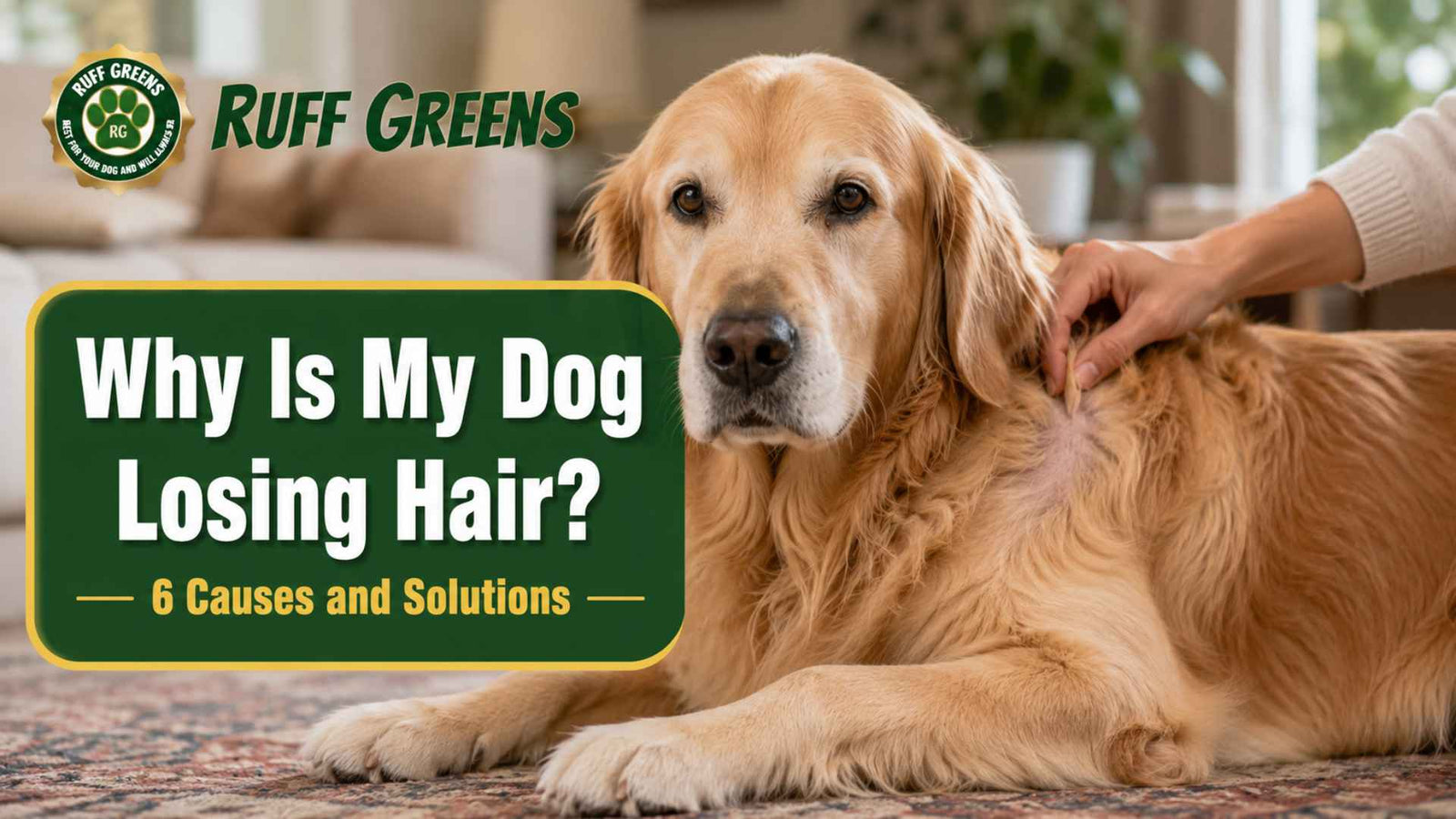

When it comes to why my dog is losing hair, there are several reasons that we will go over. Finding extra fur is normal, but bald spots or excessive thinning indicate alopecia. The most common causes of dog hair loss include allergies, skin infections, parasites like mites, hormonal imbalances, and nutritional deficiencies. Identifying the root cause with your veterinarian is the first step toward restoring a healthy, full coat.
I remember when my friend's 13-year-old lab, Fluffy, started losing hair in chunks. She had been healthy most of her life, but suddenly her beautiful coat was thinning out and leaving bald spots. My friend was frantic. It wasn't until they discovered one key factor missing from her diet that things turned around. Once they made that single change, Fluffy's coat started coming back full and shiny.
If you're wondering "why is my dog losing hair," you're not alone. Finding extra fur around the house is normal, but when it turns into bald spots or excessive thinning, it's time to investigate.
Key Takeaways
-
Alopecia Versus Shedding
Normal shedding happens year round but alopecia creates visible bald patches or thinning spots.
-
Allergies Lead the Pack For Dogs Loosing Hair
Environmental and food allergies are the most common culprits driving dogs to scratch and lose hair.
-
Nutrition Plays a Crucial Role Hair Loss For Dogs
Lacking essential fatty acids or zinc can quickly cause a dull coat and patchy hair loss.
-
Veterinary Diagnosis is Key
A professional exam is necessary to rule out underlying hormonal or parasitic conditions.
Normal Shedding vs. Dog Hair Loss
When it comes to normal shedding vs. actual dog hair loss, every dog owner is familiar with the constant battle against pet hair on furniture and clothing. Shedding is a natural and necessary part of a dog's hair growth cycle. The amount of shedding varies significantly between breeds. Double-coated breeds, like Golden Retrievers and Siberian Huskies, undergo heavy seasonal shedding where they "blow their coat" in the spring and fall. Even single-coated dogs shed continuously throughout the year.
However, there is a distinct difference between healthy shedding and canine alopecia. Alopecia is the medical term for abnormal hair loss. When a dog is experiencing alopecia, the hair follicle is damaged or its normal life cycle is interrupted.
You should be concerned if you notice your dog developing distinct bald spots, asymmetrical thinning, or areas where the skin is completely exposed. While managing dog shedding requires regular grooming, treating true hair loss requires identifying the underlying medical or nutritional cause.
Why Is My Dog Losing Hair: Top 6 Causes of Hair Loss in Dogs
If you are asking yourself "why is my dog losing hair," the answer usually falls into one of these six categories.
1. Allergies and Skin Irritation
Allergies and skin irritation are arguably the most frequent cause of hair loss in dogs. Dogs can develop environmental allergies to pollen, dust mites, and mold, or they can suffer from dog food allergies triggered by specific proteins. Flea allergy dermatitis is another major culprit. When dogs are allergic to flea saliva, even a single bite can trigger intense itching. The resulting scratching, biting, and chewing damages the hair shaft and leads to localized baldness, often accompanied by red and inflamed skin.
2. Parasitic Infections
External parasitic infections directly damage the skin and hair follicles. Mites are microscopic parasites that cause mange.

Demodectic mange is caused by mites that naturally live on a dog's skin but overpopulate when the immune system is weakened. Sarcoptic mange is highly contagious and causes severe itching and hair loss. Ticks and lice can also cause localized hair loss around the bite sites.
3. Bacterial and Fungal Infections
Skin infections from bacterial and fungal infections often develop secondary to allergies when a dog scratches and breaks the skin barrier. Bacterial infections can cause circular patches of hair loss, crusting, and pustules. Ringworm, which is actually a fungal infection and not a worm at all, is notorious for causing distinct, circular bald patches with a red ring around the edge.
4. Endocrine and Hormonal Imbalances
Hormones and endocrine imbalances play a significant role in regulating the hair growth cycle. Hypothyroidism occurs when the thyroid gland is underactive, leading to a sluggish metabolism, weight gain, and symmetrical hair loss, typically on the trunk and tail. Cushing's disease, caused by an overproduction of cortisol, also leads to hair thinning, a pot-bellied appearance, and increased thirst.
5. Genetics and Breed Predispositions
When it comes to genetics and breed predispositions, some breeds are simply prone to hair loss. Hairless breeds like the Chinese Crested are bred for this trait. Other breeds, such as Doberman Pinschers and Dachshunds, are genetically predisposed to conditions like color dilution alopecia or pattern baldness, where hair gradually thins over time without any accompanying itching or inflammation.
6. Nutritional Deficiencies
Let's look at nutritional deficiencies. A dog's coat is composed almost entirely of protein. When a diet lacks the necessary building blocks, the body prioritizes essential organ function over hair growth. Nutritional deficiencies can cause the coat to become dry, brittle, and prone to falling out.
| Cause of Hair Loss | Common Symptoms | Typical Location |
|---|---|---|
| Allergies | Intense itching, redness, chewing | Paws, belly, base of tail, ears |
| Mange (Mites) | Patchy hair loss, crusting, severe itch | Face, around eyes, elbows, legs |
| Ringworm | Circular bald patches, scaly skin | Head, paws, ears, front legs |
| Hypothyroidism | Symmetrical thinning, dull coat, weight gain | Trunk, sides, tail (rat tail) |
| Nutritional | Dull and dry coat, overall thinning, flaking | Entire body, generalized |
The Role of Nutrition in Coat Health
The condition of your dog's skin and coat is a direct reflection of their internal health and nutrition. According to veterinary nutritionists, up to 25 percent of veterinary visits involve skin and coat issues.

If your dog is eating a poorly balanced diet or has an underlying digestive issue preventing nutrient absorption, their coat will be the first thing to suffer.
Essential Fatty Acids
Omega 3 and Omega 6 fatty acids are critical for maintaining the skin's moisture barrier. A deficiency in essential fatty acids causes the skin to become dry and scaly, leading to a dull coat that mats easily. Adding fish oil for dogs to their diet provides EPA and DHA, which have powerful anti-inflammatory properties that soothe itchy skin and promote a glossy coat.
Protein and Amino Acids
Because hair is made of keratin, a structural protein, dogs require high quality protein to sustain continuous hair growth. Adult dogs need a diet with adequate protein levels on a dry matter basis. If the protein quality is low, the hair may become brittle, lose its natural color, and stop growing entirely.
Vitamins and Minerals
Several micronutrients are vital for dermatological health. Zinc is essential for skin integrity; a deficiency can cause hair loss and skin ulcers, particularly over the joints. Copper is needed for proper hair pigmentation. B vitamins, particularly biotin, support the metabolic processes that build healthy hair and nails. Ensuring your dog receives a comprehensive dog multivitamin can bridge the gaps left by commercial kibble.
Learn how dietary adequacy, absorption, breed risk, and excess intake fit together in our complete zinc for dogs safety guide.
The Hidden Factor: Hydration
While we often focus on solid food, we cannot overlook the importance of proper hydration. Water is the transport system that carries essential nutrients to the skin and hair follicles. If your dog is chronically dehydrated, even the best diet won't fully support their coat. You might wonder, can dogs have Pedialyte to stay hydrated? While it's sometimes used in emergencies, ensuring they have constant access to fresh, clean water is the best daily strategy for maintaining skin elasticity and a healthy coat.
How to Support Hair Regrowth
Treating canine alopecia always requires addressing the root cause. If your veterinarian diagnoses an infection or hormonal disorder, they will prescribe the appropriate medications, such as antibiotics, antifungals, or thyroid hormone replacement.
Once the underlying medical issue is managed, you can actively support the hair regrowth process through targeted nutrition and care.
First, ensure your dog is eating a highly digestible, premium diet. Many commercial pet foods lose vital nutrients during the high heat extrusion process. Supplementing their meals with fresh, bioavailable nutrients can make a massive difference. You can also try our Ruff Greens VitaSmart to help provide the comprehensive nutrition your dog needs.
Incorporate skin soothing supplements into their daily routine. Look for products containing high levels of Omega 3 fatty acids, zinc, and vitamins A and E. These nutrients work synergistically to reduce skin inflammation, repair the dermal barrier, and stimulate the hair follicles to enter the growth phase again.
Regular grooming is also beneficial. Gently brushing your dog stimulates blood flow to the skin surface, which delivers oxygen and nutrients directly to the hair follicles. Using a mild, moisturizing oatmeal shampoo can help soothe irritated skin, but be sure to avoid harsh dog shampoo ingredients that strip the natural oils from their coat.
When to See a Veterinarian
While you can support your dog's coat with excellent nutrition, sudden or severe hair loss warrants professional medical attention. You should schedule a veterinary appointment if the hair loss is accompanied by intense scratching, bleeding, oozing sores, or a foul odor.
Additionally, if the alopecia is paired with systemic symptoms like lethargy, changes in appetite, increased thirst, or weight gain, it could indicate a serious internal condition like an endocrine disorder. Your veterinarian will perform a thorough physical exam and may recommend diagnostic tests such as skin scrapes, fungal cultures, or blood work to pinpoint the exact cause of the hair loss.

A premium nutritional food topper packed with probiotics, digestive enzymes, and essential nutrients that support healthy digestion, nutrient absorption, and gut balance in dogs of all ages.
Frequently Asked Questions
1. Can stress cause a dog to lose hair?
Yes, severe stress or anxiety can cause dogs to excessively lick or chew their paws and flanks, leading to localized hair loss known as acral lick dermatitis. Sudden changes in routine or environment can also trigger stress shedding.
2. Will my dog's hair grow back after alopecia?
In most cases, yes. Once the underlying cause, such as a flea infestation, infection, or nutritional deficiency, is properly treated, the hair follicles will recover and the fur will gradually grow back over a few months.
3. What can I add to my dog's food for dry skin and hair loss?
Adding an Omega 3 supplement, such as high quality fish oil or salmon oil, is highly effective for dry skin. A comprehensive nutritional supplement containing zinc, biotin, and essential vitamins will also support robust hair regrowth.

