Limited Time: Free Gift With Every Order($9.95 Value)
Step 2 of 3
Select your product
Limited Time: Free Gift With Every Order($9.95 Value)Step 2 of 3
Select your product

You can boost your dog's immune system naturally by feeding a nutrient-rich diet supplemented with probiotics, antioxidants, and omega-3 fatty acids. Since 70% of a dog's immune system resides in the gut, supporting their digestive health with live enzymes and beneficial bacteria is the most effective way to improve overall immunity.
A dog's immune system acts as a nonstop housekeeper that identifies and eliminates potentially harmful pathogens like bacteria, viruses, and parasites before they can cause illness. When this system is compromised or out of balance, your dog becomes increasingly vulnerable to chronic inflammation.
Chronic inflammation is a leading pathway to serious health issues. According to veterinary experts, an immune system that remains off-kilter for an extended period can open the door to conditions such as osteoarthritis, diabetes, and other age-related diseases. By actively working to boost your dog's immune system, you are helping their body maintain proper physiological function and cellular balance.
The most critical factor in your dog's immune health is their gastrointestinal tract. Scientists and veterinary nutritionists estimate that approximately 70% to 90% of a dog's immune system resides in the gut. The lining of the GI tract acts as the primary barrier stopping pathogenic bacteria from accessing your dog's organs and bloodstream.
The bacterial balance in this microbiome is heavily influenced by diet. Unfortunately, the high-heat extrusion process used to manufacture commercial kibble often destroys the live bacteria and delicate enzymes needed to maintain this balance. This is why vitamins in kibble are destroyed during processing, leaving a nutritional gap that can weaken immune response over time. Understanding what supplements should I add to my dog's food is crucial for filling these gaps.
To effectively boost your dog's immune system, you need to provide the specific nutrients that support cellular defense and gut health.
Probiotics are essential for canine immunity because they introduce beneficial microorganisms into the digestive tract. These good bacteria increase the production of short-chain fatty acids, such as lactic and acetic acid, which actively discourage the growth of pathogenic bacteria. If you are wondering how probiotics help your dog's gut health and immunity, they are the foundational building blocks of a strong defense system.
Antioxidants are the body's natural defense against oxidative stress. They neutralize free radicals and protect cells from progressive damage caused by aging and environmental stress. Key antioxidants for dogs include Vitamin C, Vitamin E, and Beta-carotene. As dogs age, their natural production of certain antioxidants diminishes, making supplementation crucial for senior dogs.
Omega-3 fatty acids, typically sourced from high-quality fish oil, are powerful anti-inflammatory agents. They help temper the body's inflammatory response, which reduces stress on the immune system. Adding fish oil for dogs to their diet provides the EPA and DHA fatty acids that their bodies cannot produce on their own.
Digestive enzymes ensure that your dog can actually absorb and utilize the nutrients they consume. Without these enzymes, even the highest quality food may pass through the digestive tract without providing its full nutritional value to the immune system. Learning about digestive enzymes for dogs and why they matter can help you maximize their nutritional intake.
Key Immune Nutrients Summary: * Probiotics: Balances gut microbiome (70% of immunity) * Antioxidants: Neutralizes cell-damaging free radicals * Omega-3s: Reduces chronic inflammation * Enzymes: Maximizes nutrient absorption
Physical activity does more than keep your dog entertained; it directly impacts their immune function. Storing excess fat actively weakens the immune system. Fat is the body's largest endocrine gland and is responsible for secreting more than 40 different inflammation-promoting hormones.
Even a small amount of excess weight can increase these hormones, putting constant stress on the immune system. Regular, age-appropriate exercise burns fat and counters this inflammation. For older pets, maintaining mobility is crucial, which is why providing the best supplements for senior dogs alongside gentle exercise is a proven strategy for longevity.
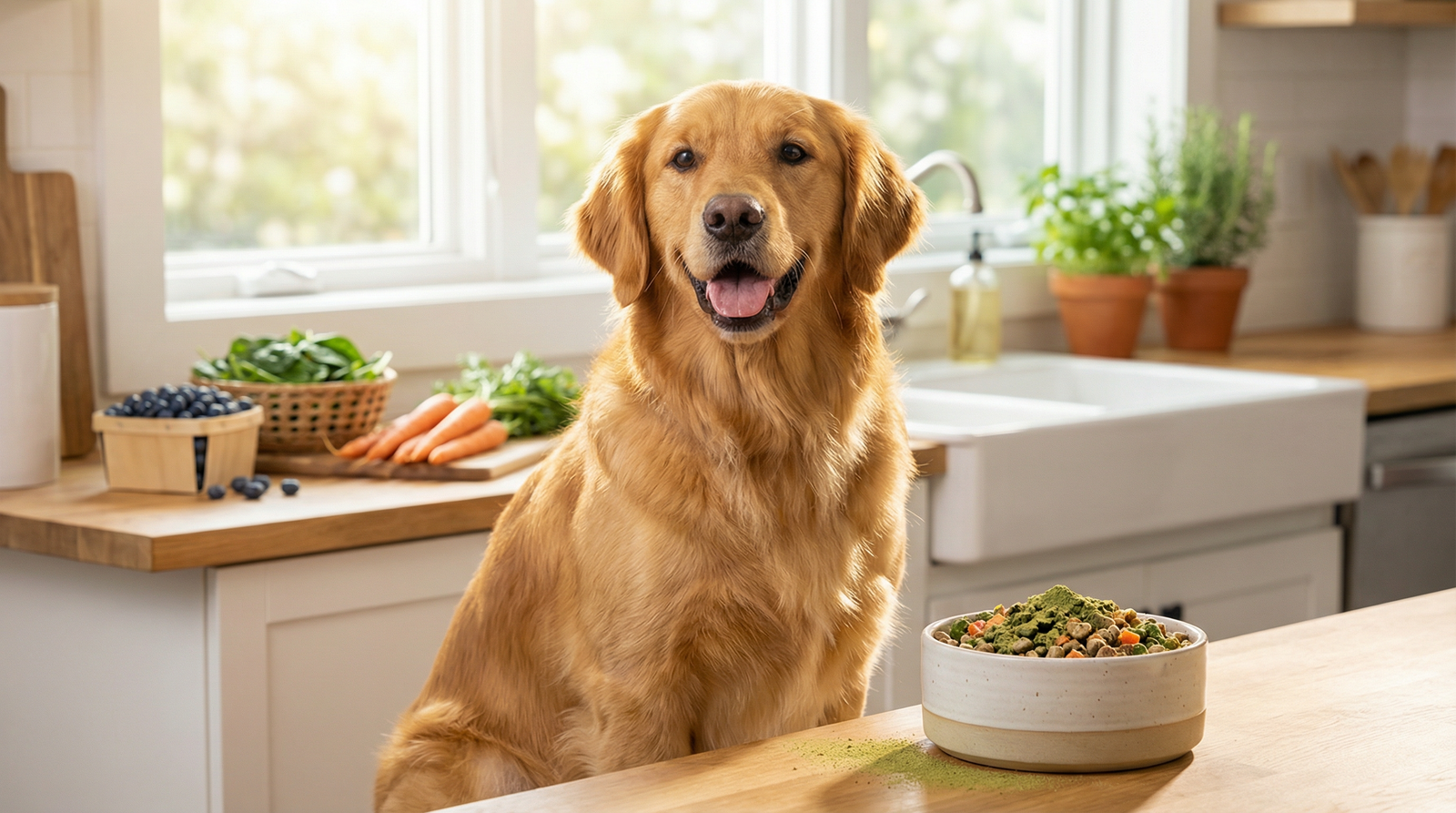
While adding fresh foods like blueberries or spinach to your dog's bowl can provide some antioxidants, it is difficult to achieve the therapeutic levels needed to significantly boost your dog's immune system through diet alone.
Rather than buying multiple different products, which can lead to conflicting ingredients that interfere with absorption, look for a comprehensive nutritional foundation. Ruff Greens VitaSmart™ is designed to fill the nutritional gaps left by processed kibble. It provides a balanced blend of live probiotics, digestive enzymes, essential vitamins, and powerful antioxidants in a highly absorbable powder format.
By adding a scoop of VitaSmart to your dog's daily meals, you are directly supporting the gut microbiome where 70% of their immune system lives. Start with a Jumpstart Trial Bag today.
1. What are the signs of a weak immune system in dogs? Signs of a weakened immune system in dogs include frequent ear or skin infections, lethargy, slow wound healing, chronic diarrhea or digestive upset, and a dull, brittle coat. If your dog is constantly battling minor illnesses, their immune system may need support.
2. Can I give my dog human vitamin C to boost immunity? While dogs can safely consume some human vitamin C, it is not recommended without veterinary guidance. Dogs naturally produce their own vitamin C, and excess supplementation can lead to gastrointestinal upset or kidney stones. Always use supplements formulated specifically for canine physiology.
3. How long does it take to boost a dog's immune system? When introducing high-quality probiotics and antioxidants, you may start seeing improvements in your dog's digestion and energy levels within 2 to 4 weeks. However, rebuilding a severely compromised gut microbiome and reducing chronic inflammation can take 2 to 3 months of consistent supplementation.
[1] Cornell University College of Veterinary Medicine. "Diets to boost immunity." Riney Canine Health Center. https://www.vet.cornell.edu/departments-centers-and-institutes/riney-canine-health-center/canine-health-topics/diets-boost-immunity
[2] PetMD. "Natural Ways to Improve Your Dog's Immune System." https://www.petmd.com/dog/general-health/natural-ways-improve-your-dogs-immune-system
[3] American Kennel Club (AKC). "What Dog Owners Should Know About Antioxidants for Dogs." https://www.akc.org/expert-advice/health/antioxidants-for-dogs/
Written By

Have a Promo Code?
Enter your code below to receive your free trial.
Just pay shipping with your special offer.
Use code: FREETRIAL and pay only shipping