

Key Takeaways
-
Watch for Early Warning Signs
Look out for symptoms like bunny hopping, stiffness, or reluctance to move. Catching these signs early can significantly improve your dog's long term comfort and mobility.
-
Keep Your Dog Lean
Weight management is the most critical step in managing hip dysplasia. Keeping your dog at a healthy weight drastically reduces pain and takes pressure off compromised joints.
-
Support Joints with Nutrition
High quality supplements rich in Omega 3 fatty acids and glucosamine can make a profound difference. These nutrients help reduce inflammation and support cartilage repair for better mobility.
-
Control Puppy Growth Rates
Feed large breed puppies a diet specifically formulated for them to prevent rapid growth spurts. Controlled growth helps avoid exacerbating joint malformations during crucial developmental stages.
-
Maintain Low Impact Exercise
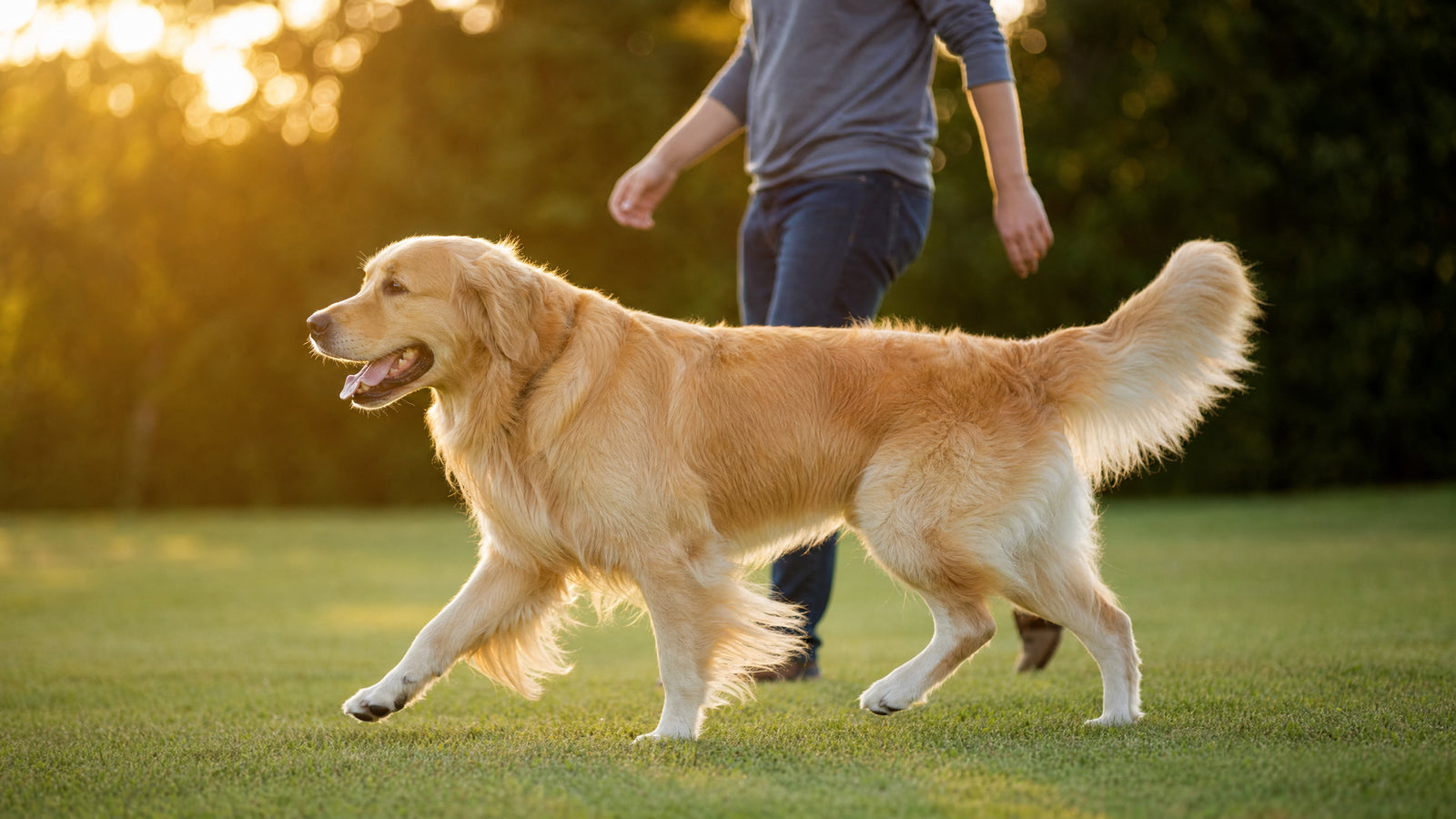
Regular moderate exercise like walking or swimming is excellent for maintaining supportive muscle mass. Just avoid excessive running or jumping to prevent further joint stress.
TL;DR: Hip dysplasia in dogs is a common genetic orthopedic condition where the hip's ball and socket joint doesn't fit together properly, leading to looseness, cartilage wear, and painful arthritis. While large breeds like German Shepherds and Labrador Retrievers are most at risk, it can affect any dog. Early signs include "bunny hopping," stiffness, and reluctance to jump or climb stairs. While surgery is an option for severe cases, many dogs live comfortable, happy lives with medical management that includes weight control, physical therapy, and high-quality joint supplements rich in Omega-3 fatty acids and glucosamine.
What Is Hip Dysplasia in Dogs?
The canine hip joint functions as a ball and socket mechanism. In a healthy dog, these two parts grow at equal rates during puppyhood, fitting together snugly and sliding smoothly. However, in dogs with hip dysplasia, uniform growth does not occur. The joint develops abnormally, resulting in a loose fit.
This laxity causes the bones to rub and grind against each other rather than gliding smoothly. Over time, this abnormal friction wears down the protective cartilage, leading to inflammation, bone spurs, and eventually osteoarthritis [1].
While genetics play the primary role in whether a dog will develop this condition, environmental factors such as rapid growth, improper nutrition, and obesity can significantly worsen the severity of the disease [2].
Common Signs and Symptoms
Detecting hip dysplasia early can make a significant difference in your dog's long-term comfort and mobility. Some puppies show signs as early as three to four months of age, while other dogs may not exhibit symptoms until they are older and secondary arthritis has set in.
Watch for these common warning signs:
- "Bunny hopping" gait: Using both hind legs together when running or climbing stairs.
- Stiffness or limping: Especially noticeable after resting or intense exercise.
- Reluctance to move: Hesitation to jump into the car, climb stairs, or stand up from a resting position.
- Decreased activity: Losing interest in walks or play sessions they used to enjoy.
- Muscle loss: Noticeable thinning of the muscles in the hind legs (thighs).
- Compensatory changes: Enlarged shoulder muscles as the dog shifts weight forward to relieve pain in the rear.
If you notice any of these signs, it is crucial to consult your veterinarian. These symptoms overlap with other joint issues, so a proper diagnosis is essential.
Which Breeds Are Most at Risk?
Canine hip dysplasia is most frequently diagnosed in large and giant breed dogs, though it can occur in smaller breeds as well. The rapid growth rate and heavy body mass of larger dogs put additional stress on developing joints.
Breeds with a high predisposition include:
- German Shepherds
- Labrador Retrievers
- Golden Retrievers
- Rottweilers
- Saint Bernards
- Bulldogs
- Mastiffs
If you are bringing home a puppy from a high-risk breed, ensure the breeder has performed Orthopedic Foundation for Animals (OFA) or PennHIP health screenings on the parents to reduce the genetic risk [3].
How Is Canine Hip Dysplasia Diagnosed?
A definitive diagnosis requires a visit to the veterinarian. During a physical examination, your vet will observe your dog's gait, check their range of motion, and manipulate the hind legs to test for joint looseness or grating (crepitus).
To confirm the diagnosis and assess the severity, veterinarians rely on X-rays (radiographs). These images reveal the exact shape of the ball and socket, the degree of laxity, and the presence of any arthritic changes or bone spurs [1]. Because proper positioning is critical for accurate imaging, your dog will likely need to be sedated or briefly anesthetized.
Treatment Options: From Supplements to Surgery
While there is no cure for hip dysplasia, numerous treatment options can manage the pain and slow the progression of joint degeneration. Treatment plans are highly individualized based on the dog's age, severity of the condition, and overall health.
Medical Management
For many dogs, especially those with mild to moderate dysplasia, non-surgical medical management is highly effective. A multimodal approach typically includes:
- Weight Management: This is arguably the most critical step. Excess weight puts immense pressure on compromised joints. Keeping your dog lean can drastically reduce pain and improve mobility [4].
- Physical Therapy: Low-impact exercises like swimming or underwater treadmill therapy (hydrotherapy) build supportive muscle mass without stressing the joints.
- Pain Relief: Veterinarians often prescribe non-steroidal anti-inflammatory drugs (NSAIDs) to manage acute pain and inflammation.
Surgical Options
If medical management is insufficient, surgery may be necessary. Options include:
- Juvenile Pubic Symphysiodesis (JPS): A preventative procedure for very young puppies (under 18 weeks) to alter pelvic growth.
- Femoral Head Ostectomy (FHO): Removal of the "ball" of the joint, allowing scar tissue to form a false joint. Best for smaller dogs.
- Total Hip Replacement (THR): Replacing the entire joint with artificial components. This offers the best functional outcome for large dogs but is the most expensive option.
The Role of Nutrition in Joint Health
Nutrition plays a vital role in both preventing severe hip dysplasia in growing puppies and managing the symptoms in adult dogs.
For puppies of large breeds, controlled growth is essential. Feeding a diet specifically formulated for large breed puppies prevents the rapid growth spurts that exacerbate joint malformations [2]. Avoid overfeeding or free-feeding.
For adult dogs dealing with joint pain, high-quality supplements can make a profound difference. Research published in the Journal of the American Veterinary Medical Association demonstrated that dietary supplementation with Omega-3 fatty acids significantly improves weight-bearing and clinical signs in dogs with osteoarthritis [5].
When looking to support your dog's mobility, consider adding Ruff Greens VitaSmart to their daily routine. It is packed with essential vitamins, minerals, and digestive enzymes to support overall vitality, which is crucial when your dog's body is fighting inflammation.
Comparing Common Joint Support Ingredients
| Ingredient | Primary Benefit | Scientific Backing |
|---|---|---|
| Omega-3 Fatty Acids (EPA/DHA) | Reduces joint inflammation and improves mobility | Highly supported by clinical trials for canine osteoarthritis [5]. |
| Glucosamine | Supports cartilage repair and maintains joint fluid | Widely used; moderate evidence for symptom relief [4]. |
| Chondroitin | Prevents further cartilage breakdown | Often paired with glucosamine for synergistic effects. |
| Green-Lipped Mussel | Natural source of Omega-3s and joint-supporting compounds | Shown to help reduce arthritis symptoms in dogs. |
To learn more about how specific nutrients help, read our comprehensive Glucosamine for Dogs guide. You can also explore the benefits of healthy fats in our article on Fish Oil for Dogs. If you have an older companion, check out our recommendations for the Best Supplements for Senior Dogs.

Ruff Greens™ VitaSmart
A premium nutritional food topper with glucosamine, omega fatty acids, and essential nutrients that support joint comfort, mobility, and overall vitality in dogs of all ages.
Frequently Asked Questions
How long can a dog live with hip dysplasia?
With proper veterinary care, weight management, and joint support, dogs with hip dysplasia can live full, normal lifespans. The condition itself is not fatal, though it requires lifelong management to ensure the dog remains comfortable and mobile.
Can hip dysplasia be prevented?
While you cannot change a dog's genetics, you can minimize the environmental risks. Keeping large breed puppies on a controlled growth diet, preventing obesity throughout their life, and avoiding high-impact exercises on hard surfaces during puppyhood can significantly reduce the severity of the condition.
Is walking good for a dog with hip dysplasia?
Yes, moderate, low-impact exercise like walking is excellent for dogs with hip dysplasia. It helps maintain the muscle mass needed to support the loose joint. However, walks should be kept at a steady pace, avoiding excessive running, jumping, or sharp turns. If your dog seems stiff the next day, the walk was likely too long.

