
Scientifically Formulated

Developed by veterinary nutritionists

Human Grade All-Natural Ingredients

Meets highest quality standards

Expertly Crafted in the USA

Manufactured in a FDA Registered Facility

Featured image for Bloat in Dogs: A Vet Backed Guide to Signs, Prevention, and Treatment (2026)

Bloat in Dogs: A Vet Backed Guide to Signs, Prevention, and Treatment (2026)

TL;DR: Bloat (gastric dilatation volvulus or GDV) is a life threatening emergency where a dog's stomach fills with gas and can twist on itself. It kills roughly 30% of affected dogs even with treatment. Knowing the warning signs, feeding smaller meals, using slow feeder bowls, and avoiding exercise after eating are the most effective ways to reduce your dog's risk.

Key Takeaways
  • Bloat Can Kill Within Hours

    Gastric dilatation volvulus (GDV) is one of the most deadly non traumatic emergencies in dogs. Without immediate veterinary treatment, a dog with GDV will die.

  • Know the Warning Signs

    Restlessness, a swollen abdomen, dry heaving without producing food, and excessive drooling are the earliest and most critical signs that your dog may be bloating.

  • Any Dog Can Bloat

    While large, deep chested breeds face the highest risk, bloat has been documented in every size and breed of dog, including small breeds like Dachshunds and Chihuahuas.

  • Prevention Starts at the Food Bowl

    Feeding two to three smaller meals per day, using a slow feeder bowl, and waiting at least one hour after eating before exercise are the most effective prevention strategies.

Table of Contents

What Is Bloat in Dogs?

Bloat in dogs is a condition where the stomach rapidly fills with gas, food, or fluid, causing it to expand and put dangerous pressure on surrounding organs. The medical term is gastric dilatation, and it can progress to a far more dangerous condition called gastric dilatation volvulus (GDV), where the distended stomach actually rotates or twists on its axis.

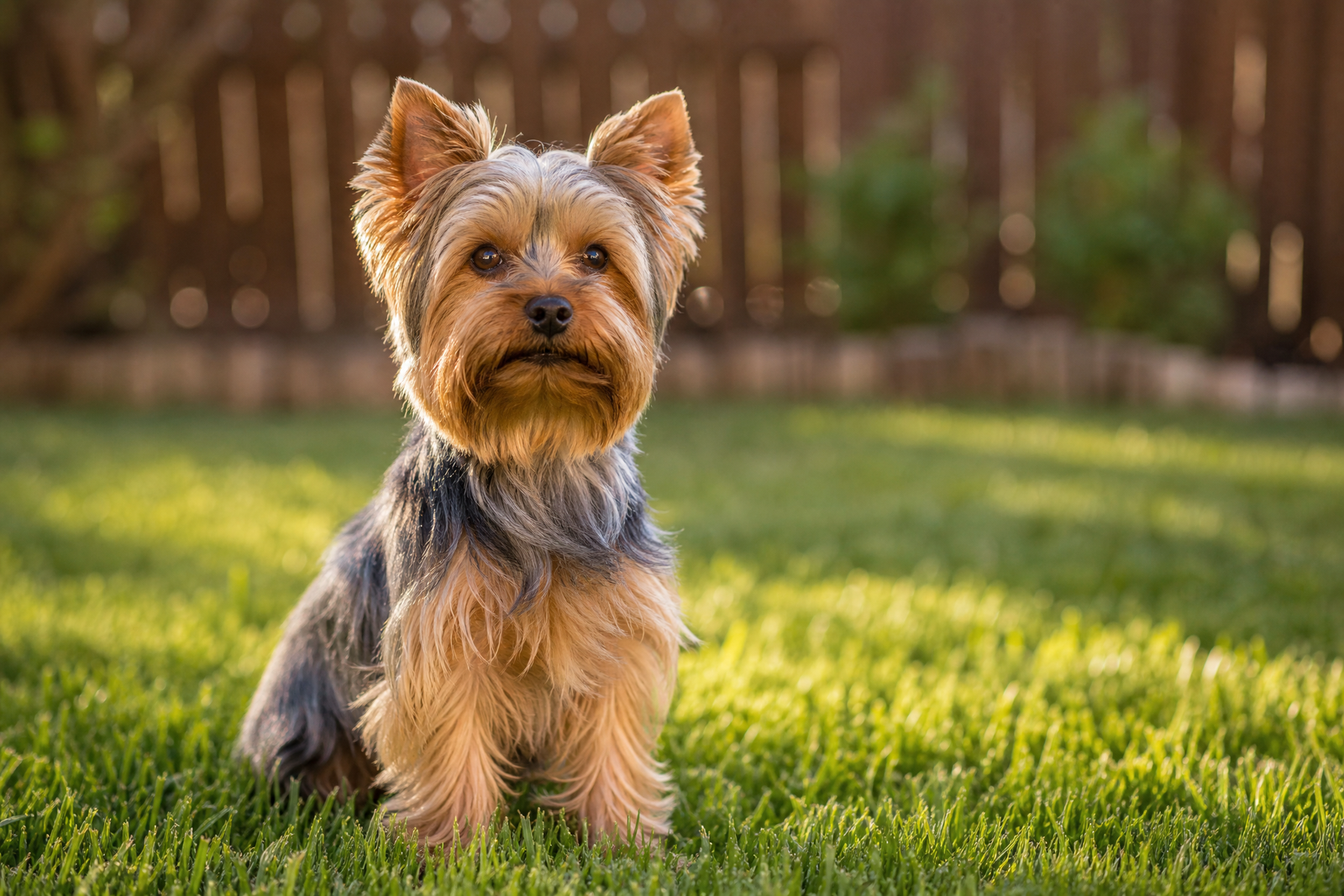
Yorkshire Terrier resting on a soft blanket looking alert and healthy in a warm living room

According to the American Kennel Club, bloat kills approximately 30% of the dogs it affects, even with intensive veterinary treatment. This makes it one of the most urgent emergencies a dog owner can face. The condition can progress from the first symptoms to a life threatening crisis in as little as one to two hours.

When the stomach twists during GDV, it traps gas inside and cuts off blood flow to the stomach wall and other vital organs. The oxygen starved pancreas begins producing toxic hormones that can stop the heart, even after the dog appears to be recovering from surgery. This is why speed matters more than almost anything else when bloat is suspected.

Bloat vs. GDV: Understanding the Difference

Not every case of bloat progresses to GDV, and understanding the distinction is important. Simple bloat (gastric dilatation without volvulus) occurs when the stomach distends with gas but does not twist. This is still uncomfortable and requires veterinary attention, but it is generally less immediately dangerous than GDV.

Yorkshire Terrier being examined by a veterinarian in a bright clinical setting

GDV occurs when the bloated stomach rotates, sealing off both the entrance (esophagus) and exit (pylorus). This traps gas, cuts off blood supply, and drags the spleen and pancreas along with it. According to VCA Hospitals, the two conditions cannot be distinguished by appearance alone and require X rays to confirm whether the stomach has twisted.

Feature Simple Bloat (GD) GDV (Stomach Twist)
Stomach fills with gas Yes Yes
Stomach twists No Yes
Blood flow compromised Mild Severe
Requires surgery Rarely Almost always
Mortality rate Low with treatment 10% to 45% with treatment
Recurrence without gastropexy Possible Up to 75%
Stomach fills with gas
Simple Bloat (GD)Yes
GDV (Stomach Twist)Yes
Stomach twists
Simple Bloat (GD)No
GDV (Stomach Twist)Yes
Blood flow compromised
Simple Bloat (GD)Mild
GDV (Stomach Twist)Severe
Requires surgery
Simple Bloat (GD)Rarely
GDV (Stomach Twist)Almost always
Mortality rate
Simple Bloat (GD)Low with treatment
GDV (Stomach Twist)10% to 45% with treatment
Recurrence without gastropexy
Simple Bloat (GD)Possible
GDV (Stomach Twist)Up to 75%
Stomach fills with gas
Simple Bloat (GD)Yes
GDV (Stomach Twist)Yes
Stomach twists
Simple Bloat (GD)No
GDV (Stomach Twist)Yes
Blood flow compromised
Simple Bloat (GD)Mild
GDV (Stomach Twist)Severe
Requires surgery
Simple Bloat (GD)Rarely
GDV (Stomach Twist)Almost always
Mortality rate
Simple Bloat (GD)Low with treatment
GDV (Stomach Twist)10% to 45% with treatment
Recurrence without gastropexy
Simple Bloat (GD)Possible
GDV (Stomach Twist)Up to 75%

Warning Signs and Symptoms of Bloat

Recognizing bloat early is the single most important factor in your dog's survival. The symptoms can appear suddenly and escalate rapidly. Every dog owner should know these warning signs.

The earliest signs of bloat include restlessness and an inability to get comfortable. Your dog may pace, whine, or repeatedly try to lie down and get back up. A visibly swollen or distended abdomen is a hallmark sign, though it may not be obvious in the earliest stages, especially in dogs with thick coats.

Yorkshire Terrier standing in a sunlit kitchen looking restless with slightly tense posture

Dry heaving or retching without producing food is one of the most telling symptoms. According to PetMD, a dog may spit out white foam (mucus from the esophagus) but will not vomit actual food. Other symptoms include excessive drooling, rapid breathing, pale gums, a rapid heart rate, and eventually collapse.

If you gently tap the area just behind your dog's last rib and hear a hollow, drum like sound, that is a strong indicator that the stomach is distended with gas. At this point, you should be on your way to the emergency veterinarian immediately.

Which Dogs Are Most at Risk?

While any dog can develop bloat, certain breeds and body types face significantly higher risk. Dogs with a deep, narrow chest (tall rather than wide) are the most predisposed. The VCA Hospitals reports that dogs weighing over 100 pounds have approximately a 20% lifetime risk of bloat.

The breeds most commonly affected include Great Danes, Saint Bernards, Weimaraners, Irish Setters, Gordon Setters, Standard Poodles, Doberman Pinschers, Basset Hounds, and Old English Sheepdogs. Great Danes are five to eight times more likely to bloat than breeds with a lower height to width chest ratio.

However, bloat is not exclusive to large breeds. It has been documented in Dachshunds, Chihuahuas, and other small breeds, particularly in older dogs. Male dogs are twice as likely to develop bloat as females, and dogs with a family history of the condition face elevated risk.

Risk Factor Impact on Bloat Risk
Deep, narrow chest 5x to 8x higher risk
Weight over 100 lbs ~20% lifetime risk
Fed one meal per day 2x higher risk
Fast eating 5x higher risk
Fearful or anxious temperament 2x higher risk
Family history of bloat Significantly elevated
Fat or oil in first 4 food ingredients 4x higher risk
Male sex 2x higher risk
Deep, narrow chest
Impact on Bloat Risk5x to 8x higher risk
Weight over 100 lbs
Impact on Bloat Risk~20% lifetime risk
Fed one meal per day
Impact on Bloat Risk2x higher risk
Fast eating
Impact on Bloat Risk5x higher risk
Fearful or anxious temperament
Impact on Bloat Risk2x higher risk
Family history of bloat
Impact on Bloat RiskSignificantly elevated
Fat or oil in first 4 food ingredients
Impact on Bloat Risk4x higher risk
Male sex
Impact on Bloat Risk2x higher risk
Deep, narrow chest
Impact on Bloat Risk5x to 8x higher risk
Weight over 100 lbs
Impact on Bloat Risk~20% lifetime risk
Fed one meal per day
Impact on Bloat Risk2x higher risk
Fast eating
Impact on Bloat Risk5x higher risk
Fearful or anxious temperament
Impact on Bloat Risk2x higher risk
Family history of bloat
Impact on Bloat RiskSignificantly elevated
Fat or oil in first 4 food ingredients
Impact on Bloat Risk4x higher risk
Male sex
Impact on Bloat Risk2x higher risk

What Causes Bloat in Dogs?

The exact cause of bloat remains one of veterinary medicine's most frustrating mysteries. Researchers know that the stomach fills with gas (dilatation) and that it can twist (volvulus), but they still debate whether the gas buildup causes the twist or the twist causes the gas buildup.

What is well established is a set of contributing factors. Eating a single large meal per day doubles the risk compared to feeding two or more smaller meals. Dogs that eat rapidly are five times more likely to bloat than slow eaters. Exercising within an hour of eating a large meal or drinking a large volume of water also increases risk.

Stress and anxiety play a measurable role. Studies cited by the AKC found that dogs described as "happy" were significantly less likely to bloat than dogs described as fearful, anxious, or hyperactive. Feeding dogs in a calm, separated environment can help reduce this risk factor.

Diet composition matters as well. Research published in the Journal of the American Veterinary Medical Association found that dry dog foods listing oils or fats among the first four ingredients were associated with a fourfold increase in GDV risk. This does not mean fat is inherently dangerous, but the form and placement of fat in processed kibble may affect how quickly the food ferments and produces gas in the stomach.

How Veterinarians Diagnose and Treat Bloat

If you suspect your dog is bloating, do not wait to see if symptoms improve. Drive to the nearest emergency veterinary hospital immediately. Minutes matter with this condition.

Veterinarians typically begin by taking abdominal X rays to determine whether the stomach has simply dilated or has twisted into a full GDV. A characteristic "double bubble" pattern on the X ray confirms volvulus. Blood work is also performed to assess organ function and the severity of shock.

Treatment for simple bloat usually involves IV fluids, pain medication, anti nausea drugs, and walking the dog frequently to stimulate gas movement through the digestive tract. Most dogs with simple bloat recover within one to two days.

GDV requires emergency surgery. The veterinary team first stabilizes the dog with IV fluids and may decompress the stomach by passing a tube or inserting a needle through the abdominal wall. Once the dog is stable enough for anesthesia, the surgeon untwists the stomach, removes any dead tissue, and performs a gastropexy, which is a procedure that permanently attaches the stomach wall to the abdominal wall to prevent future twisting.

Even after successful surgery, dogs remain at risk for cardiac arrhythmias caused by toxic hormones released from the oxygen deprived pancreas. Post operative monitoring typically lasts several days, and full recovery can take one to two weeks.

How to Prevent Bloat in Dogs

While no prevention method is 100% guaranteed, several evidence based strategies can significantly reduce your dog's risk.

Feed smaller, more frequent meals. Splitting your dog's daily food into two or three meals instead of one large meal cuts bloat risk in half. This reduces the volume of food in the stomach at any given time and minimizes gas production.

Use a slow feeder bowl. Dogs that gulp their food are five times more likely to bloat. Slow feeder bowls with ridges or maze patterns force your dog to eat more deliberately. You can also scatter food on a flat surface or use puzzle feeders to slow intake.

Wait before exercise. Avoid vigorous activity, running, or rough play for at least one hour after your dog eats or drinks a large amount of water. This gives the stomach time to begin digesting before physical movement creates additional pressure.

Reduce mealtime stress. If you have multiple dogs, feed them in separate areas to eliminate competition and anxiety around food. A calm feeding environment is associated with lower bloat risk.

Discuss prophylactic gastropexy. For high risk breeds, many veterinarians now recommend a preventive gastropexy performed at the time of spaying or neutering. This laparoscopic procedure tacks the stomach to the abdominal wall before bloat ever occurs. While it does not prevent simple bloat, it prevents the life threatening volvulus (twist) in most cases.

Monitor food ingredients. Choose dog foods that do not list fats or oils among the first four ingredients. While the research is not conclusive on all dietary factors, this specific finding has been replicated in multiple studies. Supporting your dog's digestion with probiotics for dogs and digestive enzymes can also help food break down more efficiently in the stomach.

The Role of Nutrition and Digestive Health

Yorkshire Terrier eating from a slow feeder bowl in a bright kitchen with warm natural lighting

Proper nutrition and digestive support play an important role in reducing bloat risk. When food sits in the stomach too long or ferments excessively, it produces the gas that drives gastric dilatation. Supporting your dog's digestive system with the right nutrients helps food move through the stomach more efficiently.

Digestive enzymes help break down proteins, fats, and carbohydrates before they have a chance to ferment. Probiotics support a healthy balance of gut bacteria, which influences how efficiently food is processed and how much gas is produced during digestion. A dog with a well functioning digestive system is better equipped to handle meals without excessive gas buildup.

Adding a nutritional supplement to your dog's food can also encourage slower eating. When dogs encounter a new texture or flavor mixed into their kibble, they tend to eat more carefully rather than gulping everything down at once. This behavioral benefit, combined with the digestive support from enzymes and probiotics, makes daily supplementation a practical part of a complete dog food supplement strategy.

If your dog is showing signs of nutritional gaps, addressing those deficiencies can support overall gut health and reduce the digestive stress that contributes to bloat risk.

Ruff Greens™ VitaSmart
Recommended Product

Ruff Greens™ VitaSmart

VitaSmart delivers live probiotics, digestive enzymes, and essential vitamins that support efficient digestion and nutrient absorption. A well supported digestive system processes food more effectively, reducing the gas buildup and fermentation that contribute to bloat risk in dogs of all sizes.

$59.95 $79.95 Subscribe & Save 25%
Backed by our 90-day money-back guarantee
LEARN MORE →

Frequently Asked Questions

1. How quickly can bloat kill a dog?

Bloat can become fatal within one to two hours if the stomach twists into a full GDV. The twisted stomach cuts off blood flow to vital organs, sends the dog into shock, and releases toxic hormones that can stop the heart. Immediate emergency veterinary care is the only way to save a dog experiencing GDV.

2. Can small dogs get bloat?

Yes. While large, deep chested breeds face the highest statistical risk, bloat has been documented in dogs of every size, including Dachshunds, Chihuahuas, and other small breeds. Older small dogs are particularly susceptible to gastric dilatation. Every dog owner should know the warning signs regardless of their dog's size.

3. Does a slow feeder bowl really help prevent bloat?

Slow feeder bowls are one of the most practical prevention tools available. Dogs that eat rapidly are five times more likely to develop bloat than slow eaters. Slow feeder bowls with ridges, mazes, or raised patterns force dogs to eat smaller bites and take more time with each meal, significantly reducing the amount of air swallowed during eating. Combining a slow feeder with a daily multivitamin supplement can further support healthy digestion.

Written By

Dennis Black, NMD
Dennis Black, NMD

Dr. Black is former Army Ranger, a Helicopter Pilot, Stage 4 Cancer Survivor and a Naturopathic Doctor living in Dallas, Tx. For decades, Dr. Black has shown thousands of people how to get healthy using Natural protocols. When those same people asked him to create something to get their pets healthy, he rose to the challenge and created the Ruff Greens Family of Products.