
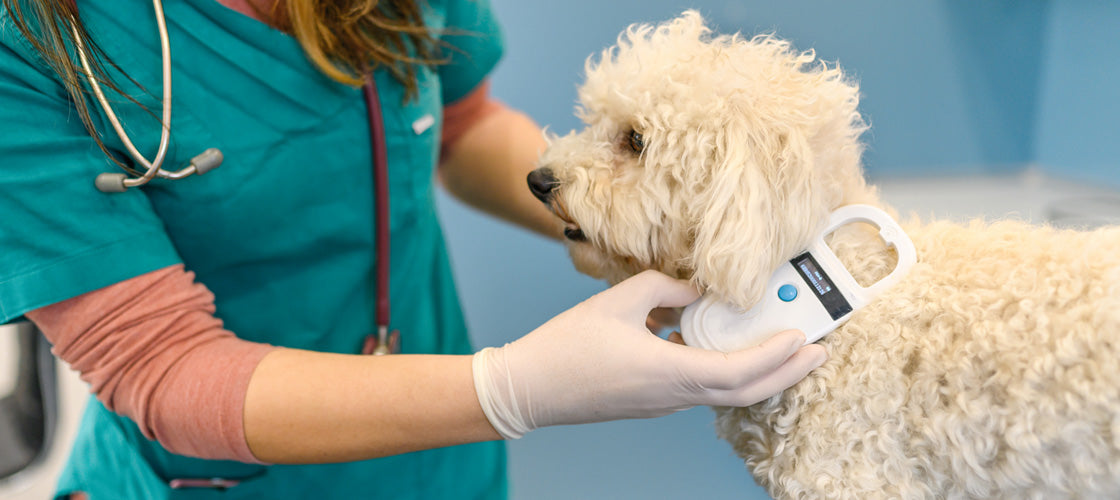

Getting Reunited With Your Dog after they go missing can depend on fast action and reliable identification. A collar tag helps, but collars can slip off or become damaged. A registered microchip gives shelters and veterinary clinics another way to connect a found dog with the right family.
How a Microchip Helps You Get Reunited With Your Dog
A pet microchip is a small identification device. A veterinarian places it under the skin with a needle. The chip stores a unique number, not your name or address. When a shelter or clinic scans the dog, staff use that number to find the chip company and contact the registered owner.
A microchip is not a GPS tracker. It cannot show your dog's live location or movements. Instead, it works when someone finds the dog and takes them to a place with a compatible scanner.
Why Registration Matters
The chip number must connect to current contact information. Therefore, registration is just as important as implantation. An unregistered chip may identify the manufacturer, but it may not lead the finder back to you.
Keep these details current:
- Your primary phone number and email address
- A backup contact who can respond quickly
- Your current home address
- Your dog's name and basic description
- Any urgent medical information the registry accepts
Update the record whenever you move or change phone numbers. Also check the registration before a trip, after an adoption, and during your dog's yearly wellness visit.
What to Do Before Your Dog Goes Missing
First, ask your veterinarian to scan the chip during a routine appointment. This check confirms that the chip still scans and gives you the identification number. Next, contact the registry to confirm the owner details. Keep the chip number, a recent photo, and your veterinarian's contact details where you can find them quickly.
Use a collar with a readable ID tag as the first line of identification. In addition, check gates, fences, leashes, and harnesses for wear. A microchip adds protection, but it does not prevent a dog from escaping.
What to Do If Your Dog Is Lost
Act quickly and organize the search. Contact local animal shelters, veterinary clinics, animal control, and the microchip registry. Mark the dog as missing in the registry if that option is available. Moreover, share a clear recent photo and accurate contact number with neighborhood groups.
Use this checklist:
- Search the immediate area and ask neighbors to check yards and garages.
- Call shelters, clinics, and animal control agencies.
- Notify the microchip company and confirm your phone number.
- Post a simple lost-dog notice with a clear photo and safe contact method.
- Recheck shelters and online listings each day.
For more details, review the American Veterinary Medical Association's microchip guidance. Your veterinarian can also explain the procedure, fees, and registry options available in your area.
After You Are Reunited With Your Dog
Once your dog is home, schedule care if they appear injured, weak, dehydrated, or unusually tired. Offer water and return to the normal feeding routine with guidance from your vet. Avoid suddenly adding several new foods or supplements during recovery.
Finally, review how the escape happened and improve the weak point. Replace damaged gear, repair fences, and refresh training. You can also review the Ruff Greens VitaSmart formula if you want to support a steady daily nutrition routine.
The Bottom Line
No identification method guarantees recovery. However, a visible tag plus a registered microchip gives a found dog more than one path home. Keep the record current, store the chip number, and know whom to call. Those simple steps can improve the chance of being Reunited With Your Dog.

Ruff Greens™ VitaSmart
A premium nutritional food topper packed with probiotics, digestive enzymes, vitamins, minerals, and omega fatty acids. Just add it to your dog’s food to fill nutritional gaps and support whole body health.

